Module 1: Introduction to Quality WIL and Employer Responsibilities
Module 1
1. Define Work-Integrated Learning (WIL) and Its Role in Education and the Workforce
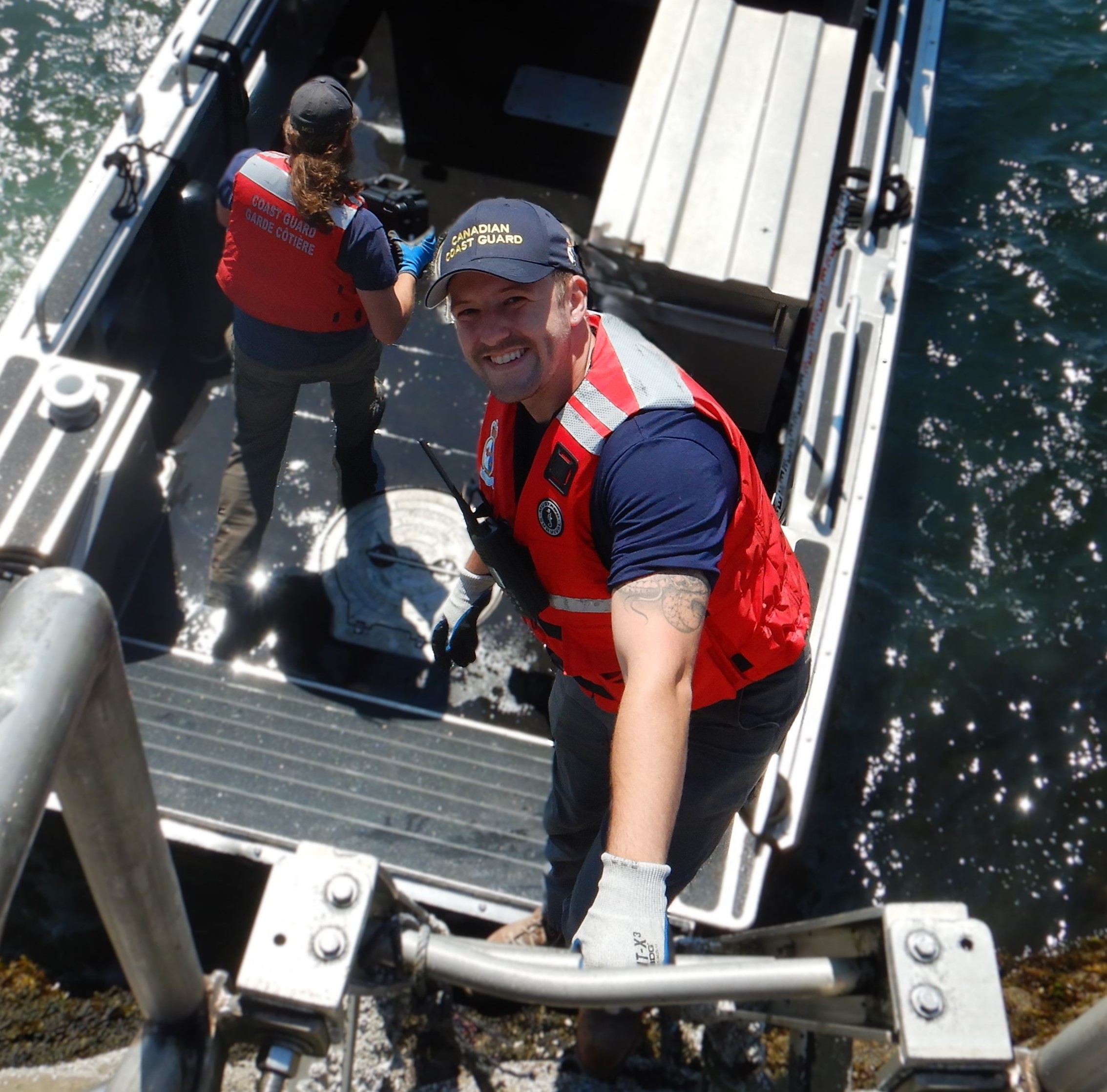
Photo: Courtesy of the Civil Engineering Technology Co-op program at Camosun College
Work-Integrated Learning (WIL) is a form of experiential education that formally connects a student's academic studies with meaningful, structured work experience in a workplace or practice setting. These experiences help students apply classroom learning to real-world work and support their development as job-ready professionals.
WIL is built on an intentional partnership between three key stakeholders:
- A post-secondary institution
- A host organization or employer
- A student
As defined by CEWIL Canada:
Work-integrated learning is a form of curricular experiential education that formally integrates a student's academic studies with quality experiences within a workplace or practice setting. WIL experiences include an engaged partnership of at least: an academic institution, a host organization, and a student.
(Approved by CEWIL Canada membership, November 3, 2021)
WIL can occur at the course or program level and is guided by student-focused learning objectives tied to outcomes such as employability, personal agency, knowledge and skill mobility, and life-long learning. These experiences are often credit-bearing, supported by structured supervision and reflection, and structured to benefit all parties involved.
Why WIL Matters in the Workforce
From an employer's perspective, WIL offers clear and practical value:
- Talent development: Students bring fresh ideas, up-to-date knowledge, and diverse perspectives into your workplace.
- Workforce readiness: WIL helps prepare students with the real-world skills needed for a changing labour market.
- Leadership development: Hosting WIL students provides existing staff with professional development in coaching and leadership.
- Recruitment pipeline: WIL placements can serve as a low-risk way to assess potential future hires.
- Industry-academic partnerships: Engaging with post-secondary institutions fosters innovation and strengthens community partnerships.
As a host organization, your participation in WIL helps build a more skilled, inclusive, and competitive workforce across British Columbia and the Yukon.
Why WIL Matters in Education
Within post-secondary education, WIL plays a key role in:
- Bridging the gap between theory and practice
- Improving student engagement, confidence, and career-relevant skill development
- Preparing students for entry into the workforce
- Aligning academic programs with labour market and community needs
When designed with quality and inclusivity in mind, WIL enhances educational relevance and supports stronger career outcomes for students from a range of academic backgrounds and lived experiences.