Module 3: Inclusive and Equitable WIL Practices
Module 3
3. Inclusive Supervision and Student Support
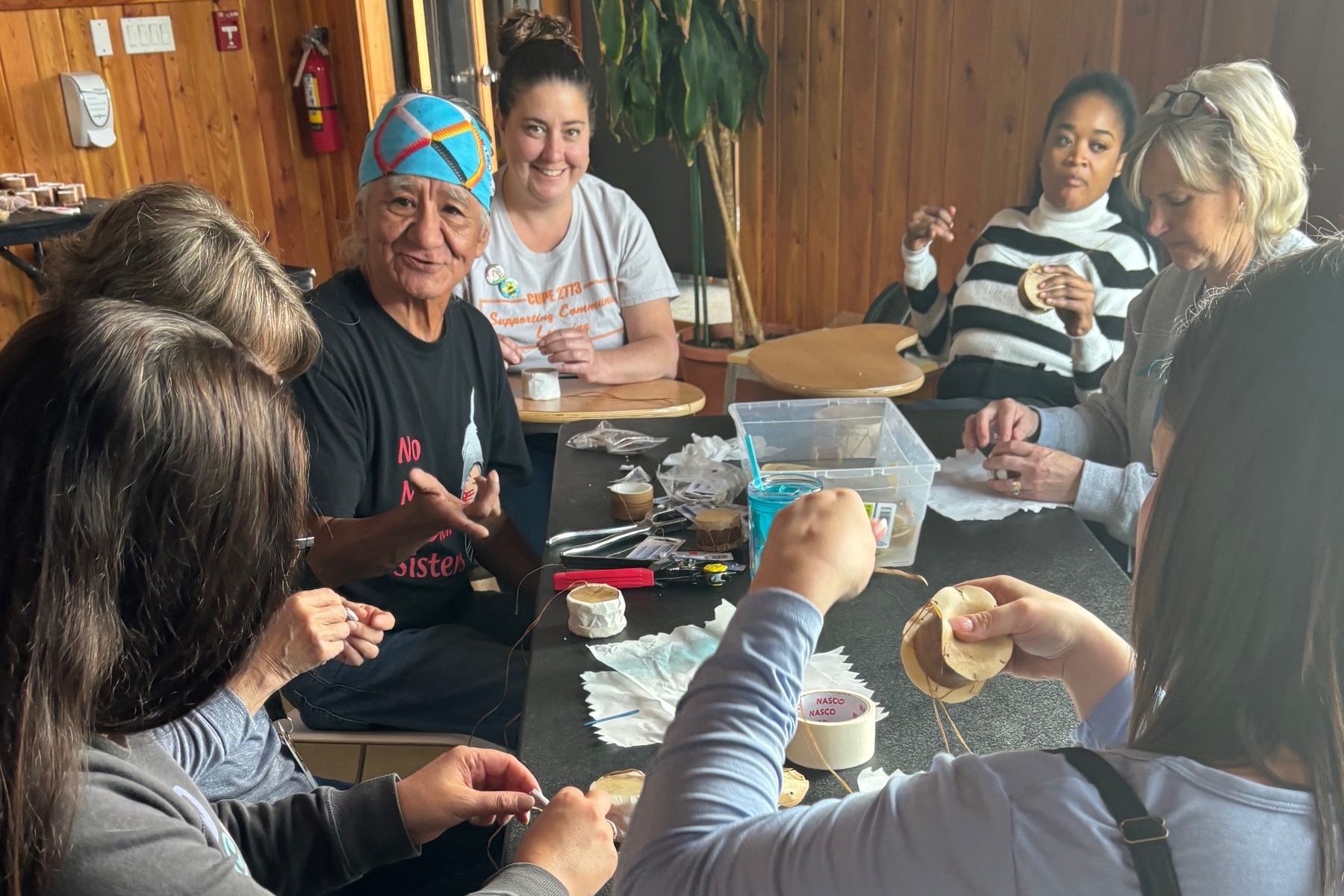
Photo: Elder Pete running a workshop, courtesy of College of the Rockies
Incorporating the principles of truth and reconciliation into work-integrated learning (WIL) is a critical part of building a truly inclusive and equitable experience for all students. For Indigenous students in particular, systemic barriers shaped by colonial history continue to affect access to education, employment, and career development.
Employers and host organizations have an opportunity and a responsibility to respond to the Truth and Reconciliation Commission’s Call to Action 92, which urges the corporate sector to adopt the United Nations Declaration on the Rights of Indigenous Peoples (UNDRIP) as a reconciliation framework (Association for Co-operative Education and Work-Integrated Learning BC/Yukon, 2024).
While this call specifically references Indigenous rights and relationships, it is also part of a broader commitment to equity, justice, and accountability that strengthens inclusion for all equity-deserving students.
Understanding Call to Action 92
Call to Action 92 calls upon businesses and organizations to (Association for Co-operative Education and Work-Integrated Learning BC/Yukon, 2024):
- Build respectful relationships with Indigenous peoples.
- Ensure equitable access to jobs, training, and education opportunities.
- Provide education to staff on Indigenous histories, cultures, and rights.
These actions are not only about Indigenous inclusion; they also reflect broader principles of organizational responsibility, cross-cultural understanding, and community engagement.
Inclusive Practices that Support Reconciliation
- Cultural Safety and Awareness
- Offer culturally safe workspaces by recognizing Indigenous worldviews, communication styles, and protocols (Association for Co-operative Education and Work-Integrated Learning BC/Yukon, 2024).
- Be aware of and flexible around cultural obligations, ceremonies, and community responsibilities.
- Equitable Opportunities
- Use clear and accessible language in job postings.
- Consider preferential or limited hiring practices where appropriate, and ensure transparency.
- Ensure that Indigenous students have opportunities to lead, contribute meaningfully, and build networks.
- Ongoing Learning and Relationship-Building
- Encourage your team to participate in reconciliation education, such as learning about residential school history, UNDRIP, and treaties.
- Reflect on how your organization engages with Indigenous students and communities.
- Use tools such as the Employer Self-Assessment Worksheet to track commitments and areas for growth.
- Avoid Tokenism
- Focusing on creating an inclusive space for Indigenous students does not mean asking them to educate others or serve as cultural representatives.
- Be mindful not to assign identity-based tasks beyond the scope of their roles.
- Instead, demonstrate commitment through structural changes, respectful relationships, and meaningful engagement.
Why Reconciliation Matters in WIL
When host organizations engage with reconciliation:
- Indigenous students can participate in WIL with dignity, confidence, and respect.
- Workplaces become more inclusive, thoughtful, and accountable.
- Long-term relationships with Indigenous communities can grow in ways that benefit all parties.
- Organizational equity efforts are strengthened at all levels.
Note:
We recognize that this marks just the start of our dialogue rather than its conclusion. If you have any questions or would like further information, please contact the PSI.
Visit the Indigenous WIL Resource Hub for more information.