Module 5: Onboarding and Workplace Integration
Module 5
2. Mentorship and Ongoing Support for WIL Students
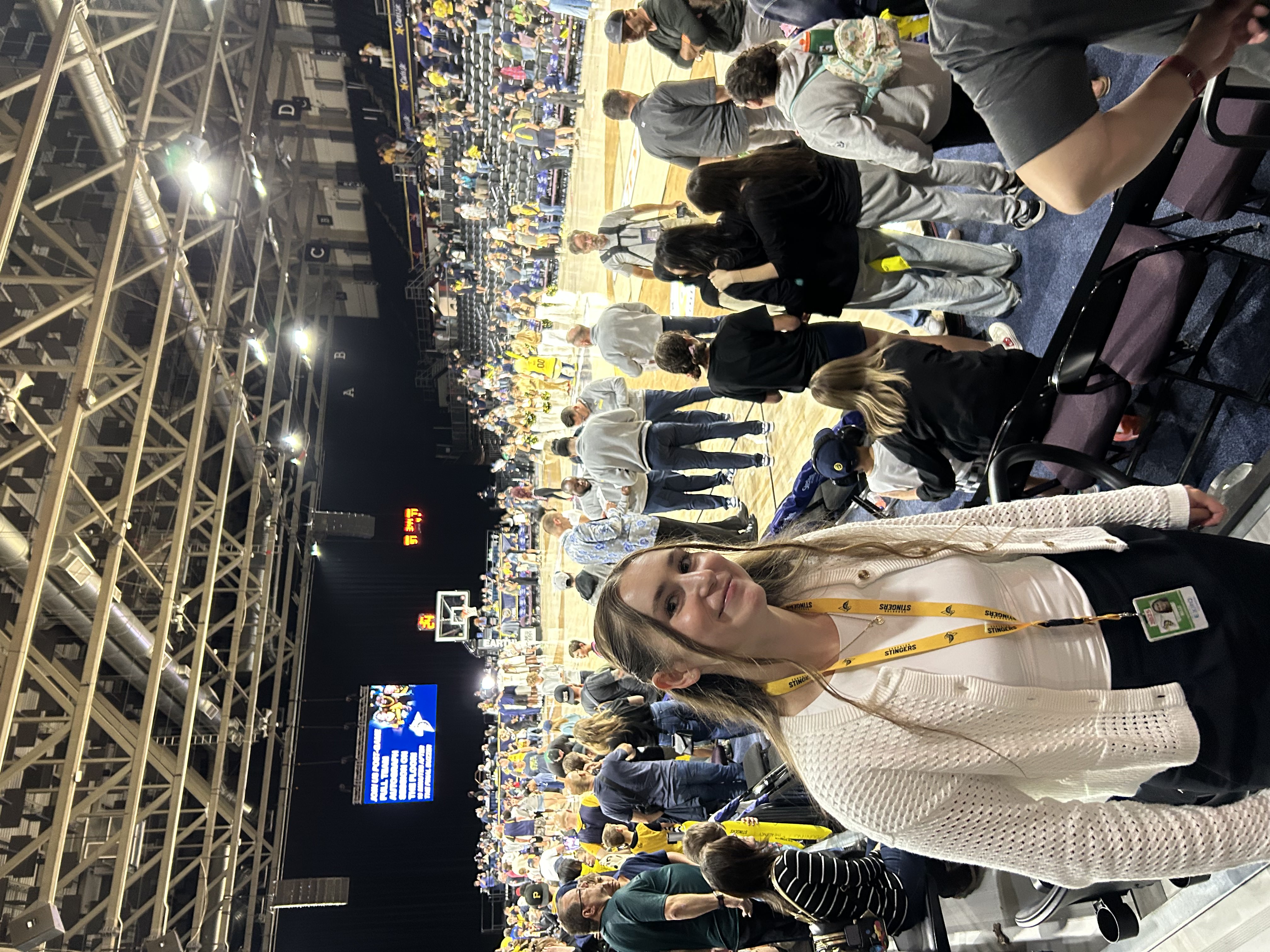
Photo: Courtesy of the Kinesiology Co-op program at Camosun College
Effective supervision goes beyond assigning tasks and checking progress. For work-integrated learning (WIL) students, access to consistent guidance, feedback, and encouragement plays a major role in shaping their workplace experience. Thoughtful mentorship helps students navigate unfamiliar expectations, build professional confidence, and feel like valued members of the team.
Building a Culture of Support
- Assign a Buddy or Peer Mentor
- Pair the student with a colleague, ideally someone close in role or experience, who can serve as a go-to support person for day-to-day questions.
- The buddy can help the student acclimate to the workplace culture, offer informal feedback, and serve as a sounding board during the early stages of the placement.
- Establish Clear Supervision and Check-Ins
- Clarify early on who the student’s supervisor is and how often you will connect.
- Schedule regular one-on-one check-ins, such as weekly or biweekly, to offer feedback, answer questions, and learn how the student is feeling about their work.
- Use check-ins to encourage reflection, acknowledge contributions, and set shared development goals.
- Normalize Asking for Help
- Make it clear that asking questions and seeking clarification are encouraged and expected.
- Emphasize that mistakes are part of the learning process, and model a supportive response to uncertainty or early missteps.
- Recognize and Value Student Contributions
- Celebrate small wins and recognize the student’s work publicly when appropriate.
- Invite students to team meetings, collaborative projects, and professional learning opportunities so they can see the broader context of their work.
- Create Safe Spaces for Feedback
- Ask students how they prefer to receive feedback and tailor your approach when possible.
- Invite students to share feedback about their onboarding or supervision experience through check-ins or anonymous surveys.
- Be open to making adjustments and model humility when receiving feedback yourself.
Supporting Diverse Needs
Every student brings a unique set of identities, strengths, goals, and challenges to the workplace. Inclusive supervision means staying flexible, listening actively, and adapting your approach to support each student’s success. This may involve:
- Offering scheduling flexibility for students balancing academics or caregiving.
- Being aware of cultural or communication differences.
- Proactively offering accommodations without waiting for a formal request.
Even small efforts to personalize support can make a lasting difference in a student’s confidence, comfort, and professional development.