
How to become a University Professor
Section outline
-
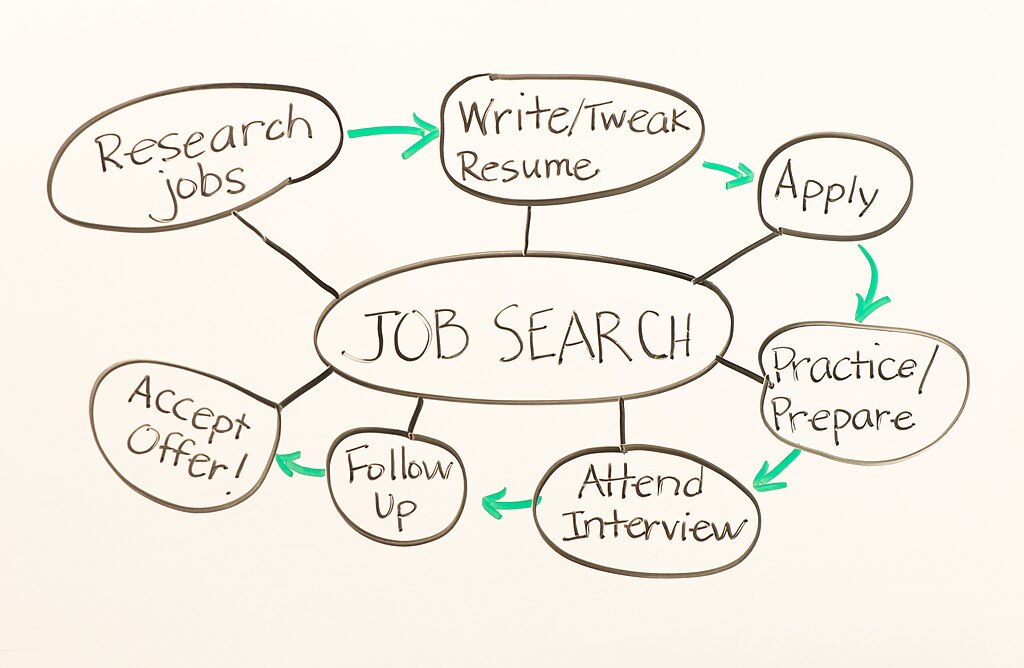
HOW CAN I GET A JOB AT A UNIVERISTY ANYWAYS?
Have you ever tried to apply for a teaching position at a post-secondary institution like a University or College? It isn't always straight forward and can be down-right intimidating! Here are some tips and tricks to the hiring process, including applying for the job, resume-building, interviewing process and what to expect right after the interview.
But first, you may notice that depending on the type of post secondary setting, universities versus colleges may use many terms or abbreviations that you may not understand! Below is a brief differentiation powered by AI:
University and college faculty use similar titles (like professor, assistant professor, associate professor), but universities often emphasize research alongside teaching, while colleges may prioritize teaching skills.
College-level teaching staff are often instructors or lecturers, and while they may use the term "professor," their roles might focus more on classroom instruction, and they often don't have the same research obligations as university faculty.
University Faculty Titles
Professor (Full Professor): The highest rank, requiring sustained excellence in teaching, research, and service, and is a tenured or fulltime, ongoing position.Associate Professor: Achieved after a probationary period as an assistant professor and being granted tenure, signifying a permanent academic appointment.
Assistant Professor: The entry-level, tenure-track position for faculty with a terminal degree (e.g., a Ph.D.).
Instructor/Lecturer: Can be a non-tenured teaching role or, in some cases, the entry-level rank for post-doctoral or residency graduates in medical schools, with a focus on teaching or potential for advancement.
Distinguished Professor: A special, higher rank for senior faculty who have made outstanding contributions, recognizing them beyond their standard professorship.
College Faculty Titles
Lecturer/Instructor: Common at community colleges and teaching-focused universities. These faculty members are primarily focused on delivering instruction and may not have a tenure track or research obligation, though some do conduct research and publish.Professor: In some colleges, the term "professor" is used for all faculty members who teach, to set an expectation of professionalism and the gravity of the college setting, even for those without a Ph.D. or tenure.
Key Differences
Research vs. Teaching Focus: Universities generally require a significant emphasis on research and publication for faculty, especially for tenured positions. Colleges often prioritize teaching effectiveness, with less pressure to conduct research.Tenure: University faculty positions are often on a tenure track, leading to a permanent appointment. College positions, particularly for instructors and lecturers, may be non-tenured, contractual, or part-time.
Terminal Degrees: University professors almost always have a doctoral degree (Ph.D.), while college instructors may have a master's degree or a professional qualification.
In universities there is also a faculty "rank" which is the type of position that one applies for on a job posting.
- sessional faculty is short term contract hire such as one semester (Sept-Dec or Jan - April).
- on-going sessional faculty get first dibs on work because they work for the institution yearly at 80% workload (plus other requirements - see next section)
- limited term contract (LTC) faculty are those hired for a specific period of time, for example one year or two year contracts.
- tenure-track faculty are entry appointments for secure, ongoing work. Applicants will need to apply for tenure within a 6 year period (more in next section). After this they are called tenured faculty.