Module 3: Inclusive and Equitable WIL Practices
| Site: | TRU Open Courses |
| Course: | Quality Work-Integrated Learning 2026 |
| Book: | Module 3: Inclusive and Equitable WIL Practices |
| Printed by: | Guest user |
| Date: | Monday, 12 October 2026, 3:42 PM |
Module 3
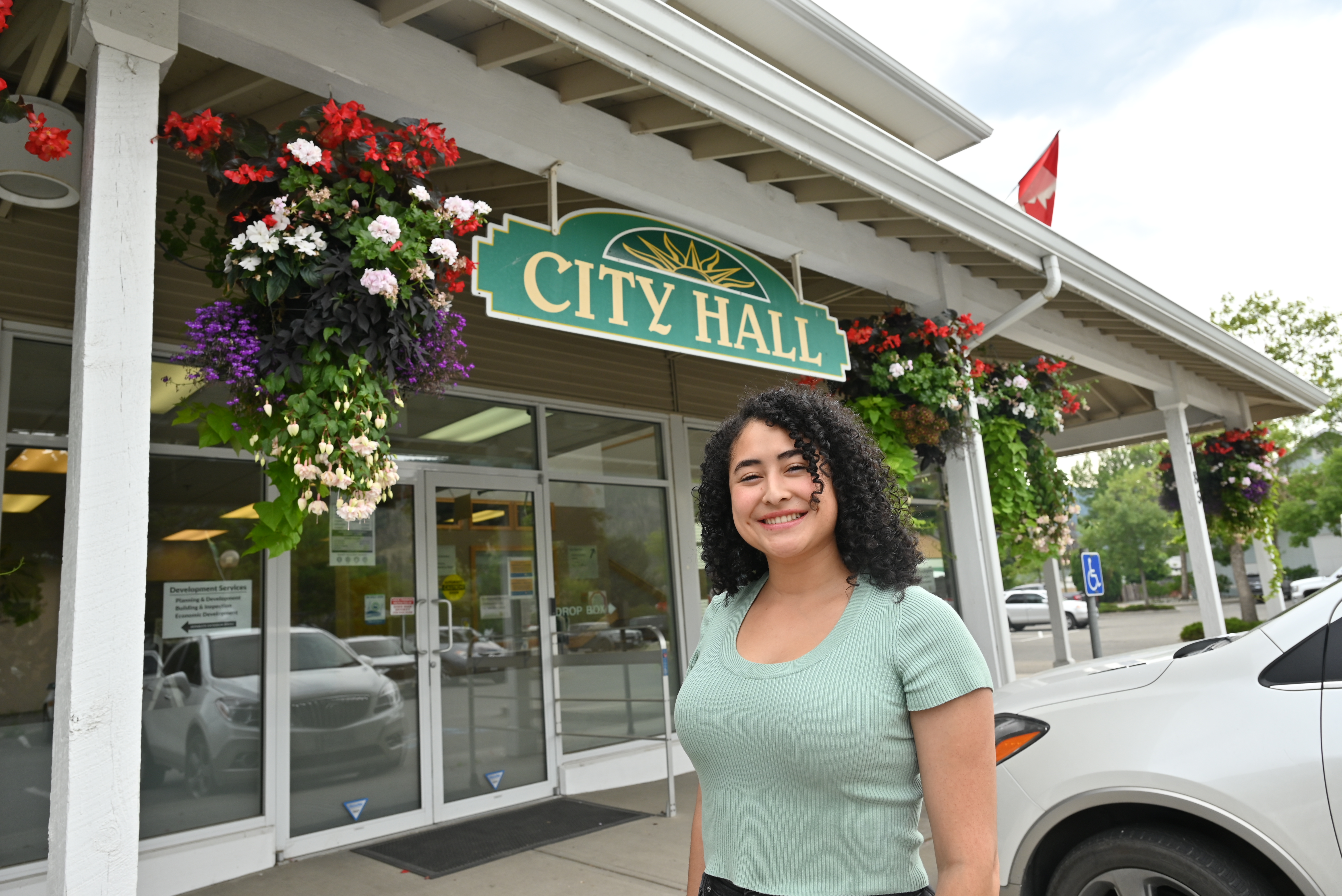
Photo: Paola Flores, courtesy of the Computing Science Co-op program at TRU
Welcome to Module 3: Inclusive and Equitable WIL Practices
This module is designed to help employers and host organizations recognize and address systemic barriers that may affect students from equity-deserving groups. These groups include Indigenous students; students with disabilities; international and newcomer students; racialized students; Two-Spirit, lesbian, gay, bisexual, transgender, queer, intersex, and asexual students; and students from rural or low-income communities.
Rather than focusing on a single identity or experience, this module uses a universal approach to inclusive design. This means creating practices that are welcoming and accessible to all students from the beginning. A proactive approach involves planning work experiences, communication, and environments to support diverse needs without waiting for exclusion or inequity to occur. This helps ensure that every student feels included and supported throughout their placement. (Gouthro et al., 2023; RBC, 2021)
This module explores how inclusive hiring, culturally responsive supervision, and intentional relationship-building can contribute to more meaningful, high-quality work-integrated learning (WIL) placements. It also introduces principles aligned with the Truth and Reconciliation Commission’s Call to Action 92, which calls on employers to participate actively in reconciliation through respectful relationships and equitable access to employment and training. (Gouthro et al., 2023)
In this module, you will learn how to:
- Recognize the importance of inclusive hiring and accessible work environments
- Identify and address barriers that may affect student participation and success
- Apply inclusive supervision and communication strategies
- Reflect on your organization’s role in reconciliation and long-term inclusion
- Access practical tools to support continuous improvement
This module can be completed in approximately 30 minutes. The strategies presented here can be adapted to your organization’s context while maintaining a commitment to ongoing learning and accountability.
Note:
Many of the resources referenced in this module were developed with specific populations in mind, such as Indigenous students, students with disabilities, and students from international pathways. Although these specific contexts are acknowledged, the practices shared are intended to inform inclusive WIL strategies for all students and future applicants.
1. Inclusive and Equitable WIL Practices
Inclusive hiring is the foundation of equitable work-integrated learning (WIL). It is often the first point of contact between a student and an organization, and it sets the tone for everyone’s experience. A hiring process that is accessible, welcoming, and free from bias increases the likelihood that students from diverse backgrounds will apply, feel respected, and be able to demonstrate their potential (Gouthro et al., 2023).
Inclusive hiring does not mean lowering standards. It means removing barriers that prevent qualified candidates from accessing opportunities. These barriers may include inaccessible job postings, unclear requirements, cultural or communication mismatches during interviews, or assumptions made during candidate evaluation. When these barriers are addressed intentionally, WIL placements become more reflective of the communities we serve and the full range of talent available (Discover Ability Network et al., n.d.).
Key Inclusive Hiring Practices (Gouthro et al., 2023)
- Use Clear and Accessible Language
- Avoid jargon, acronyms, and unnecessary technical terms.
- Focus on essential skills rather than credentials or prior Canadian experience.
- Provide information about how to request accommodations.
- State Your Commitment to Inclusion
- Include a welcoming statement in job postings (e.g., encourage applications from students who may face additional barriers to employment opportunities, such as Indigenous students, students with disabilities, racialized students, or students from low-income communities).
- If using a preferential or limited hiring program (e.g., for Indigenous students), ensure that the language is respectful, legal, and transparent.
- Standardize Screening and Interviews
- Use consistent evaluation criteria for all applicants.
- Focus on skills, potential, and alignment with organizational values.
- Avoid making assumptions based on accents, names, or communication styles.
- Offer Flexible Interview Options (IEC-BC, n.d.)
- Allow virtual interviews when possible.
- Provide questions in advance when appropriate.
- Clearly communicate timelines and expectations.
- Reflect on Your Process
- Who gets shortlisted, and who does not—and why?
- What unspoken expectations might be influencing decisions?
- How could candidates with different communication or cultural styles still succeed in your workplace?
Why Inclusive Hiring Matters
When inclusive hiring practices are embedded into WIL recruitment:
- More students feel confident and welcome to apply.
- Barriers related to disability, language, culture, or unfamiliar systems are reduced.
- WIL host organizations benefit from a more diverse candidate pool and fresh perspectives.
- A stronger foundation is built for inclusive onboarding and supervision.
Self-Check: Inclusive Hiring Practices
As you review or prepare a student job posting, consider the following:
- Is the language plain and accessible?
- Are the skills and criteria clearly linked to the job’s actual responsibilities?
- Have you stated your openness to providing accommodations?
- Is there a clear point of contact for questions?
You can also use the Employer Self-Assessment Worksheet and the ACE-WIL Diversity & Inclusion Hiring Tools to further evaluate your approach.
2. Inclusive Hiring Practices
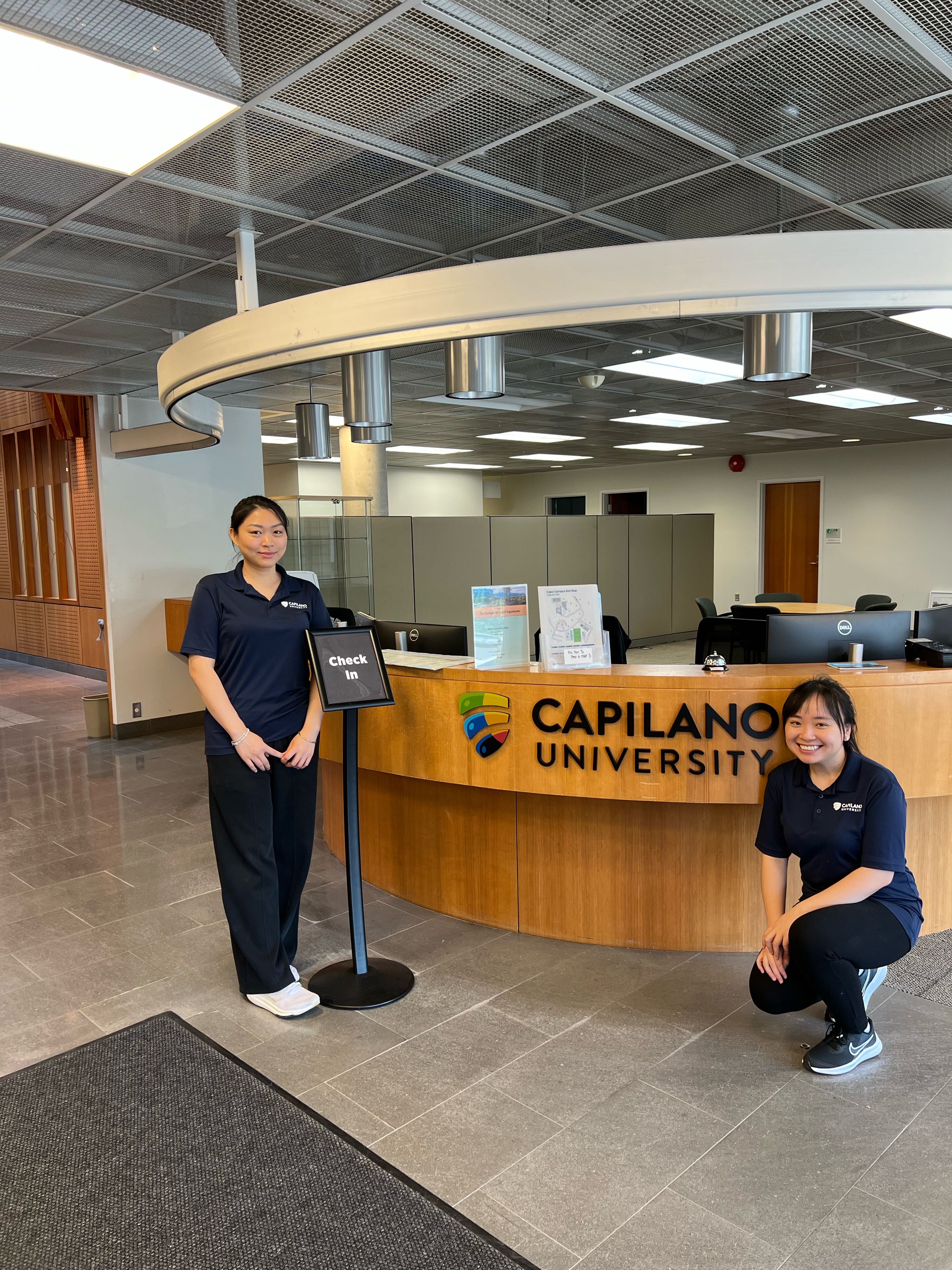
Photo: Jessie Hoang and Rachel Pham, courtesy of the Tourism Practicum program at CAPU
Once a student is hired, the quality of their supervision and daily experience becomes central to their success. Inclusive supervision involves recognizing that each student may bring different strengths, needs, and lived experiences. Creating a supportive environment requires flexibility, communication, and cultural responsiveness.
Students from equity-deserving groups may face systemic barriers that shape how they experience a workplace. These barriers may not always be visible or disclosed. Inclusive supervision does not rely on knowing every student’s background or identity; it relies on creating structures that allow all students to feel respected, valued, and safe to learn.
Principles of Inclusive Supervision
- Start with Clear, Supportive Onboarding
- Provide clear expectations, communication norms, and feedback timelines.
- Introduce the team and explain roles, workplace norms, and support systems.
- Share how students can raise concerns or request accommodations confidentially.
- Be Proactive and Flexible
- Ask all students whether they need accommodations, not just those who disclose a disability.
- Be open to different communication styles and learning preferences.
- Offer flexibility around cultural or religious observances, mental health, or caregiving responsibilities.
- Provide Regular, Two-Way Feedback
- Schedule regular check-ins for feedback and discussion.
- Ask students how they are finding the placement and what support they may need.
- Recognize contributions publicly and privately.
- Avoid Tokenism and Stereotyping
- Do not ask students to speak on behalf of a community or identity group.
- Avoid assumptions about students’ backgrounds, abilities, experiences, or aspirations.
- Understand that inclusion means respecting individuality—not expecting assimilation.
- Be Willing to Learn and Adjust
- If something is not working, invite feedback and co-create a solution.
- Use available resources, training, and institutional support when needed.
Inclusive Supervision in Action
Inclusive supervision can look like:
- Adjusting workload or hours temporarily to accommodate a student’s health or caregiving needs.
- Clarifying unwritten expectations, such as how to ask for help, join lunch conversations, or request time off.
- Offering mentorship without assuming that students already know how to “navigate the system.”
- Respecting a student’s privacy if they share personal information—or choose not to.
(Australian Collaborative Education Network, 2023)
Why Inclusive Supervision Matters
Inclusive supervision ensures that:
- All students feel that they belong and can contribute meaningfully.
- Barriers are addressed before they escalate into problems.
- Your team becomes more aware of how to support and learn from diverse perspectives.
- The work-integrated learning (WIL) experience strengthens not only students but also your entire organization.
3. Inclusive Supervision and Student Support
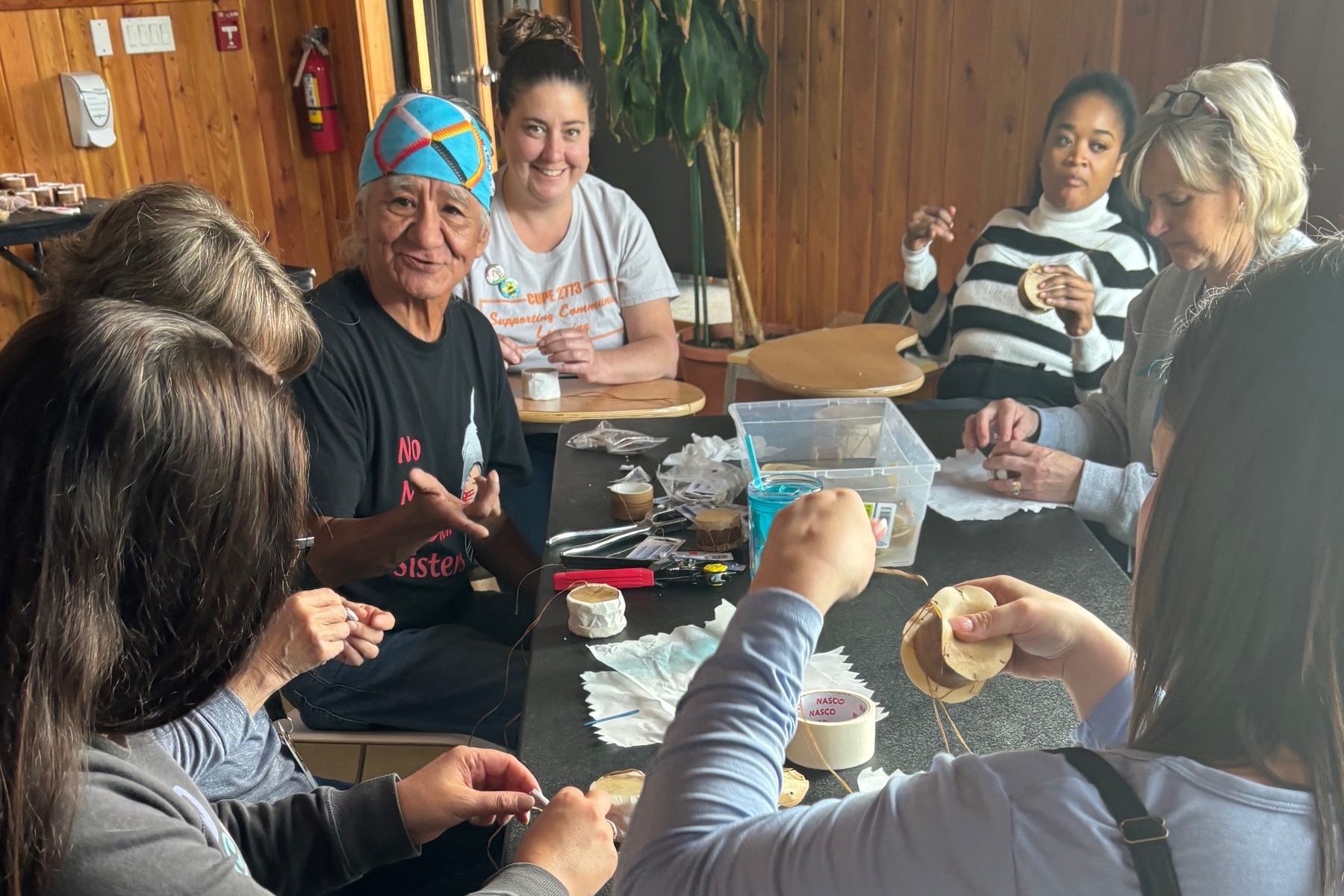
Photo: Elder Pete running a workshop, courtesy of College of the Rockies
Incorporating the principles of truth and reconciliation into work-integrated learning (WIL) is a critical part of building a truly inclusive and equitable experience for all students. For Indigenous students in particular, systemic barriers shaped by colonial history continue to affect access to education, employment, and career development.
Employers and host organizations have an opportunity and a responsibility to respond to the Truth and Reconciliation Commission’s Call to Action 92, which urges the corporate sector to adopt the United Nations Declaration on the Rights of Indigenous Peoples (UNDRIP) as a reconciliation framework (Association for Co-operative Education and Work-Integrated Learning BC/Yukon, 2024).
While this call specifically references Indigenous rights and relationships, it is also part of a broader commitment to equity, justice, and accountability that strengthens inclusion for all equity-deserving students.
Understanding Call to Action 92
Call to Action 92 calls upon businesses and organizations to (Association for Co-operative Education and Work-Integrated Learning BC/Yukon, 2024):
- Build respectful relationships with Indigenous peoples.
- Ensure equitable access to jobs, training, and education opportunities.
- Provide education to staff on Indigenous histories, cultures, and rights.
These actions are not only about Indigenous inclusion; they also reflect broader principles of organizational responsibility, cross-cultural understanding, and community engagement.
Inclusive Practices that Support Reconciliation
- Cultural Safety and Awareness
- Offer culturally safe workspaces by recognizing Indigenous worldviews, communication styles, and protocols (Association for Co-operative Education and Work-Integrated Learning BC/Yukon, 2024).
- Be aware of and flexible around cultural obligations, ceremonies, and community responsibilities.
- Equitable Opportunities
- Use clear and accessible language in job postings.
- Consider preferential or limited hiring practices where appropriate, and ensure transparency.
- Ensure that Indigenous students have opportunities to lead, contribute meaningfully, and build networks.
- Ongoing Learning and Relationship-Building
- Encourage your team to participate in reconciliation education, such as learning about residential school history, UNDRIP, and treaties.
- Reflect on how your organization engages with Indigenous students and communities.
- Use tools such as the Employer Self-Assessment Worksheet to track commitments and areas for growth.
- Avoid Tokenism
- Focusing on creating an inclusive space for Indigenous students does not mean asking them to educate others or serve as cultural representatives.
- Be mindful not to assign identity-based tasks beyond the scope of their roles.
- Instead, demonstrate commitment through structural changes, respectful relationships, and meaningful engagement.
Why Reconciliation Matters in WIL
When host organizations engage with reconciliation:
- Indigenous students can participate in WIL with dignity, confidence, and respect.
- Workplaces become more inclusive, thoughtful, and accountable.
- Long-term relationships with Indigenous communities can grow in ways that benefit all parties.
- Organizational equity efforts are strengthened at all levels.
Note:
We recognize that this marks just the start of our dialogue rather than its conclusion. If you have any questions or would like further information, please contact the PSI.
Visit the Indigenous WIL Resource Hub for more information.
Summary
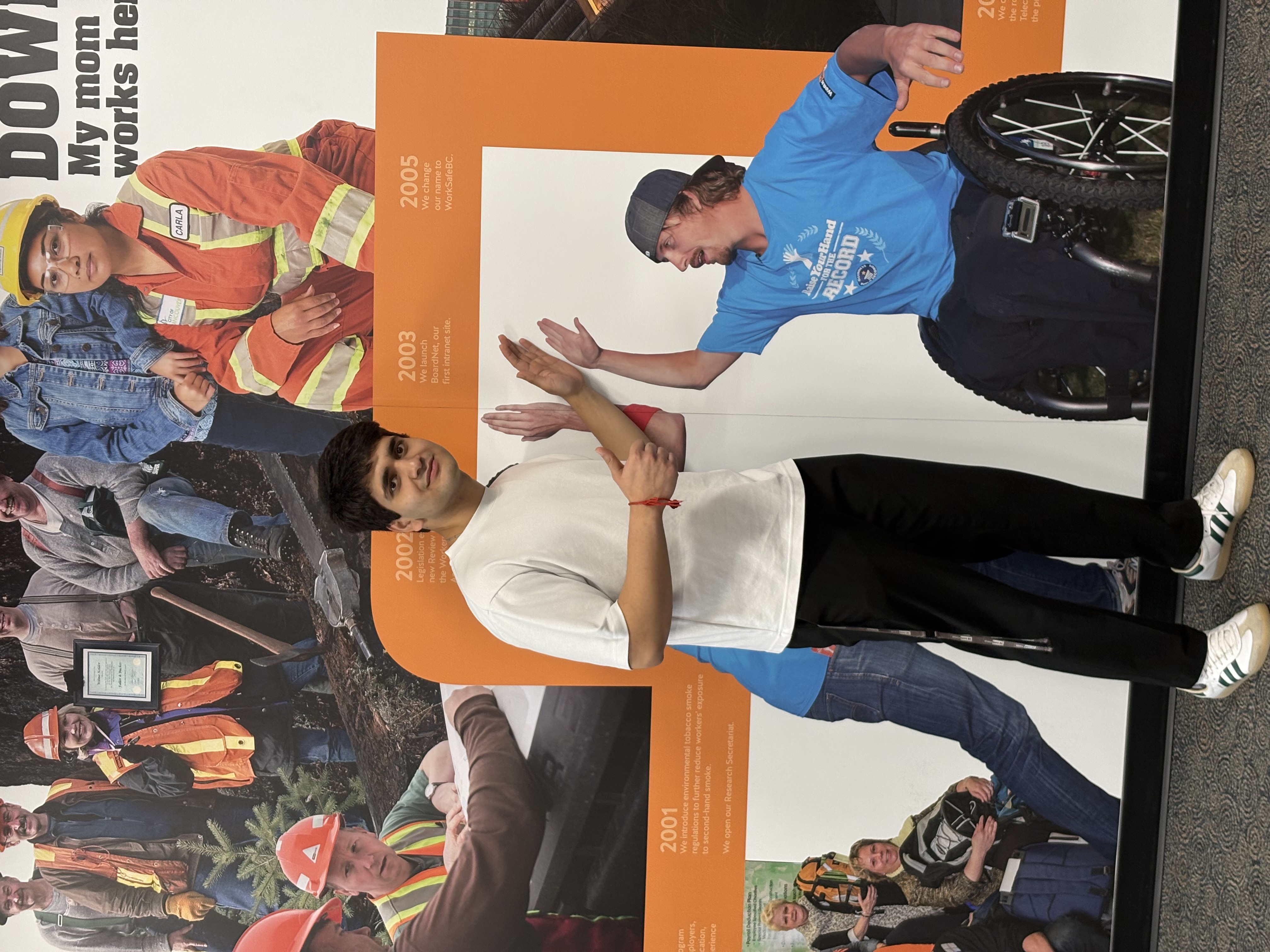
Photo: Samar Khajuria, courtesy of the Computing Science Co-op program at TRU
In this module, you:
- Examined how work-integrated learning (WIL) host organizations can create inclusive, accessible, and student-centred WIL experiences by adopting universal design principles and recognizing the systemic barriers faced by equity-deserving students, including Indigenous, international, disabled, 2SLGBTQIA+, and racialized learners.
- Explored key inclusive practices, such as bias-free hiring, culturally responsive supervision, flexible accommodations, and relationship-building practices that foster student belonging, safety, and meaningful engagement in the workplace.
- Introduced actionable strategies aligned with the Truth and Reconciliation Commission’s Call to Action 92, supporting respectful Indigenous engagement, equitable hiring, and continuous learning to strengthen long-term inclusion and accountability.
If you have any questions regarding this module or would like to learn more about Work-Integrated Learning, please email info@acewilbc.ca
Knowledge Check

Photo: Courtesy of the WIL program at SFU
Test your understanding of inclusive and equitable Work-Integrated Learning (WIL) practices
- Covers Module 3
- Worth 20% of your course certificate
- Includes 2 scenario-based questions
- Unlimited attempts
References
- British Columbia’s Ministry of Advanced Education and Skills Training, Association for Co-operative Education and Work-Integrated Learning BC/Yukon (ACE-WIL), ACE-WIL Research Committee, Simon Fraser University, University of Victoria, University of British Columbia, Langara College, Royal Roads University, & British Columbia Institute of Technology. (2020). Diversity and Inclusion (D&I) Toolkit for employers and hiring managers. https://acewilbc.ca/wp-content/uploads/ACE-WIL-SFIP-DI-Toolkit.pdf
- Employer Tool Kit Home - Advice on mentorship. (n.d.-b). https://cewilcanada.ca/CEWIL/Resources/Employer-Community-Partners/Employer-Tool-Kit-Folder/Employer-Tool-Kit.aspx?WebsiteKey=70188082-f13b-461c-8c8d-74e0e6c01c18
- Association for Co-operative Education and Work-Integrated Learning BC/Yukon. (n.d.). Indigenous WIL Resource Hub | ACE-WIL | Association for Co-operative Education and Work-Integrated Learning BC/Yukon. https://acewilbc.ca/project/indigenous-wil-resource-hub/
- Discover AbilityNetwork, Ontario Human Rights Commission, Hire for Talent, Conference Board of Canada, Accessible Employers, Employment & Social Development Canada, Humber College, Canadian Association of Broadcasters, & Canadian Mental Health Commission. (n.d.). Tips for employers: Language and disability. https://www.discoverability.network/business/roadmap/
- Speak up for inclusion. (2021). In RBC Global Diversity & Inclusion.
- Australian Collaborative Education Network. (2023, March 17). Equitable WIL: Building host organisation capacity to ensure safe and inclusive WIL programs for students with a disability. | WIL Australia. WIL Australia. https://acen.edu.au/resources/equitable-wil-building-host-organisation-capacity-to-ensure-safe-and-inclusive-wil-programs-for-students-with-a-disability/
- Gouthro, K., Gilderdale, C., Abraham, M., Bravos, E., Kirsh, K., Shukla, A., To, D., Huang, Q., Esteves, S., Hameed, S., & Bailey, E. (2023). Hiring & Engaging Diverse Student Talent : Employer Toolkit. https://openlibrary-repo.ecampusontario.ca/xmlui/handle/123456789/1744
- Employer Tools and Resources | IEC-BC. (n.d.). IEC-BC. https://iecbc.ca/employer-tools-and-resources/
- Association for Co-operative Education and Work-Integrated Learning BC/Yukon. (n.d.). Advancing Justice, Equity, Diversity and Inclusion in Work-Integrated Learning: a toolkit for employers and community partners [Toolkit]. In Glossary of Terms. https://www.camh.ca/en/camh-news-and-stories/is-there-a-cost-to-protecting-caring-for-and-saving-others-beware-of-compassion-fatigue