Module 5: Onboarding and Workplace Integration
| Site: | TRU Open Courses |
| Course: | Quality Work-Integrated Learning 2026 |
| Book: | Module 5: Onboarding and Workplace Integration |
| Printed by: | Guest user |
| Date: | Monday, 12 October 2026, 3:42 PM |
Module 5
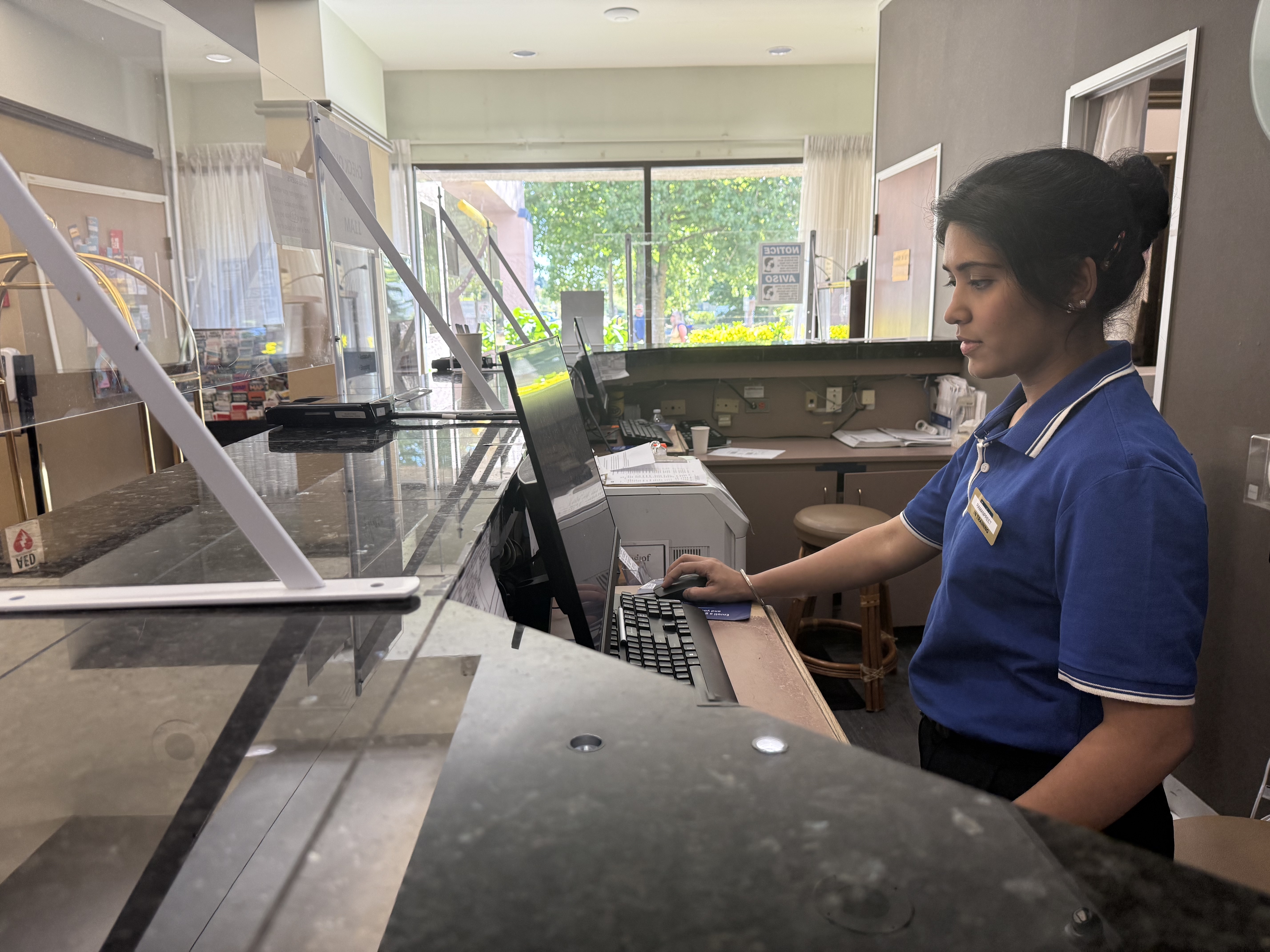
Photo: Raman Preet, courtesy of the Tourism Practicum program at CAPU
Welcome to Module 5: Onboarding and Workplace Integration
This module explores how WIL host organizations can effectively onboard and integrate work-integrated learning (WIL) students into their teams through structured, inclusive, and supportive practices.
A strong orientation and onboarding process does more than introduce a student to their tasks. It builds a foundation for confidence, clarity, and a sense of belonging while ensuring that students understand what is expected of them.
Inclusive onboarding ensures students from diverse backgrounds feel welcomed, respected, and supported as they begin their placement. This includes setting clear expectations, making introductions intentional, providing accessible information, and offering mentorship from the start.
In this module, you will learn how to:
- Examine the essential components of a structured onboarding process.
- Create a welcoming and inclusive team environment.
- Explore strategies to mentor and support WIL students throughout their placement.
This module is especially relevant for supervisors and team members working directly with WIL students. It provides tools and resources to help ensure students are not only welcomed into the WIL placement but meaningfully supported as they grow in their roles.
This module begins by exploring the core elements of onboarding and offers actionable strategies for building consistency, equity, and care into every student’s first days on the job.
1. Foundations of an Inclusive Onboarding Process

Photo: Ahana Ahluwalia, courtesy of the Software Engineering Co-op program at TRU
A well-designed onboarding process helps students understand their roles, build relationships, and feel confident navigating the workplace. For work-integrated learning (WIL) students who may be entering a professional setting for the first time, onboarding also plays a key role in shaping their experience, motivation, and ability to succeed.
Key Elements of Inclusive Onboarding
- Pre-Arrival Preparation
- Provide students with a welcome email that outlines key logistics, such as where to go, who to ask for, what to bring, and what to expect on their first day. Information about the dress code can also be helpful.
- Offer information in accessible formats, such as PDFs with alt text or plain-language documents.
- Share helpful information in advance, such as who to contact for support and what tools may be used during the placement.
- First-Day Orientation
- Conduct a warm and inclusive orientation that introduces the student to the team and key procedures.
- Share workplace values either in advance or during the first days, depending on your onboarding approach.
- Include a tour of the workspace and introductions to people the student will interact with regularly.
- Clearly outline expectations, routines, working hours, and who to contact for support.
- Cultural Inclusion and Belonging
- Avoid assumptions about background, communication preferences, or social norms. Invite the student to share their own learning and work styles.
- Use inclusive language and make pronouns visible on name tags or digital platforms when possible.
- Discuss the organization’s equity, diversity, and inclusion (EDI) commitments, and explain how students can access support.
- Accessible Information and Communication
- Confirm that all onboarding materials and procedures are accessible.
- Use plain language and offer screen-reader-friendly files.
- Avoid jargon or acronyms that may be unfamiliar to first-time professionals.
- Encourage questions and clarify that students are not expected to know everything right away.
- Set the Stage for Mentorship
- Introduce the student to a designated buddy, peer mentor, or supervisor who can regularly check in and answer questions.
- Schedule an early follow-up within the first week to review how the student is adjusting and provide space for reflection.
- If possible, design and implement a formal mentorship program that provides structured guidance throughout the placement.
- For teams with multiple students, consider creating a WIL student community to promote mentorship, shared learning, and peer networking.
Why It Matters
When onboarding is rushed or inconsistent, students may feel confused, excluded, or overwhelmed. Inclusive onboarding signals that your organization values preparation, equity, and student success. It also reduces barriers for students who may be navigating cultural transitions, accessibility needs, or professional expectations for the first time.
2. Mentorship and Ongoing Support for WIL Students

Photo: Courtesy of the Kinesiology Co-op program at Camosun College
Effective supervision goes beyond assigning tasks and checking progress. For work-integrated learning (WIL) students, access to consistent guidance, feedback, and encouragement plays a major role in shaping their workplace experience. Thoughtful mentorship helps students navigate unfamiliar expectations, build professional confidence, and feel like valued members of the team.
Building a Culture of Support
- Assign a Buddy or Peer Mentor
- Pair the student with a colleague, ideally someone close in role or experience, who can serve as a go-to support person for day-to-day questions.
- The buddy can help the student acclimate to the workplace culture, offer informal feedback, and serve as a sounding board during the early stages of the placement.
- Establish Clear Supervision and Check-Ins
- Clarify early on who the student’s supervisor is and how often you will connect.
- Schedule regular one-on-one check-ins, such as weekly or biweekly, to offer feedback, answer questions, and learn how the student is feeling about their work.
- Use check-ins to encourage reflection, acknowledge contributions, and set shared development goals.
- Normalize Asking for Help
- Make it clear that asking questions and seeking clarification are encouraged and expected.
- Emphasize that mistakes are part of the learning process, and model a supportive response to uncertainty or early missteps.
- Recognize and Value Student Contributions
- Celebrate small wins and recognize the student’s work publicly when appropriate.
- Invite students to team meetings, collaborative projects, and professional learning opportunities so they can see the broader context of their work.
- Create Safe Spaces for Feedback
- Ask students how they prefer to receive feedback and tailor your approach when possible.
- Invite students to share feedback about their onboarding or supervision experience through check-ins or anonymous surveys.
- Be open to making adjustments and model humility when receiving feedback yourself.
Supporting Diverse Needs
Every student brings a unique set of identities, strengths, goals, and challenges to the workplace. Inclusive supervision means staying flexible, listening actively, and adapting your approach to support each student’s success. This may involve:
- Offering scheduling flexibility for students balancing academics or caregiving.
- Being aware of cultural or communication differences.
- Proactively offering accommodations without waiting for a formal request.
Even small efforts to personalize support can make a lasting difference in a student’s confidence, comfort, and professional development.
3. Fostering Belonging and Team Integration

Photo: Courtesy of the Hospitality Management Co-op program at Camosun College
For many work-integrated learning (WIL) students, joining a new team can feel intimidating, especially when they are entering the workplace for the first time. Beyond onboarding and mentorship, fostering a genuine sense of belonging requires intentional practices that help students feel seen, respected, and included as part of the team.
Creating a Welcoming Workplace Culture
- Start with Inclusive Introductions
- Introduce the student to the full team and clarify their role within the group.
- Encourage colleagues to share their pronouns, communication styles, or fun facts to make introductions more human and less hierarchical.
- Avoid assuming that the student will know workplace norms. Instead, explain common practices and team habits clearly.
- Model Inclusive Communication
- Use plain, respectful, and non-assumptive language in emails, meetings, and hallway conversations.
- Avoid acronyms or internal jargon unless you have taken time to explain them.
- Encourage the team to include students in informal conversations and group chats while remaining mindful of tone and inclusion.
- Celebrate Difference and Encourage Curiosity
- Make space for diverse voices by inviting students to share ideas, perspectives, or project approaches.
- Normalize not knowing everything. Show curiosity and openness toward learning from the student, too.
- If students share aspects of their lived experience or background, respond with respect and interest—not judgment or tokenization.
- Make Inclusion a Daily Practice
- Include students in staff meetings, group projects, or planning sessions where appropriate.
- Provide opportunities for students to take initiative or lead small tasks aligned with their goals.
- Offer encouragement, not just correction.
- Recognize effort as well as outcomes.
- Use Visual and Physical Cues Thoughtfully
- Ensure shared spaces include signals of inclusion, such as gender-inclusive washroom signs, visible accessibility supports, or pride and reconciliation messaging.
- For hybrid or remote teams, ensure digital tools are accessible and provide technology support during onboarding when needed.
Why This Matters
When students feel like outsiders or believe their presence is temporary or peripheral, they are less likely to speak up, take initiative, or view the experience as meaningful. When students are welcomed as full team members, they are more likely to contribute, grow, and carry those positive experiences into future roles. Belonging does not happen automatically; it is created through intention, invitation, and everyday actions.
Summary
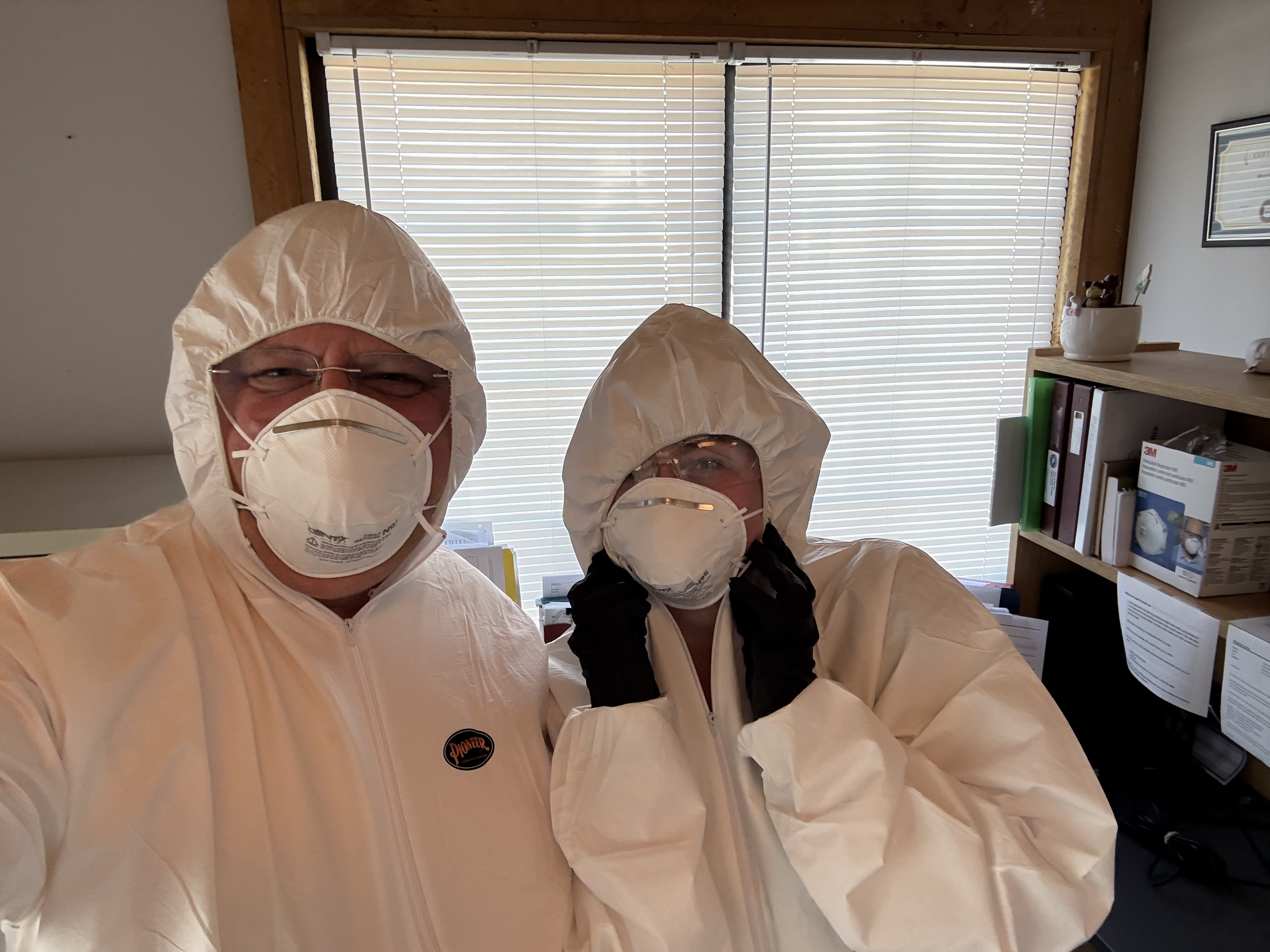
Photo: Courtesy of the Co-op program at TRU
In this module, you:
- Explored how to design inclusive, structured onboarding processes that set clear expectations, foster early connection, and support diverse work-integrated learning (WIL) students in navigating the workplace with confidence.
- Examined strategies for providing effective mentorship and supervision, including assigning buddies, establishing regular check-ins, normalizing help-seeking, and celebrating student contributions.
- Identified ways to foster team integration and belonging by modelling inclusive communication, creating psychologically safe environments, and intentionally inviting students to participate in both formal and informal workplace activities.
If you have any questions regarding this module or would like to learn more about Work-Integrated Learning, please email info@acewilbc.ca
Knowledge Check
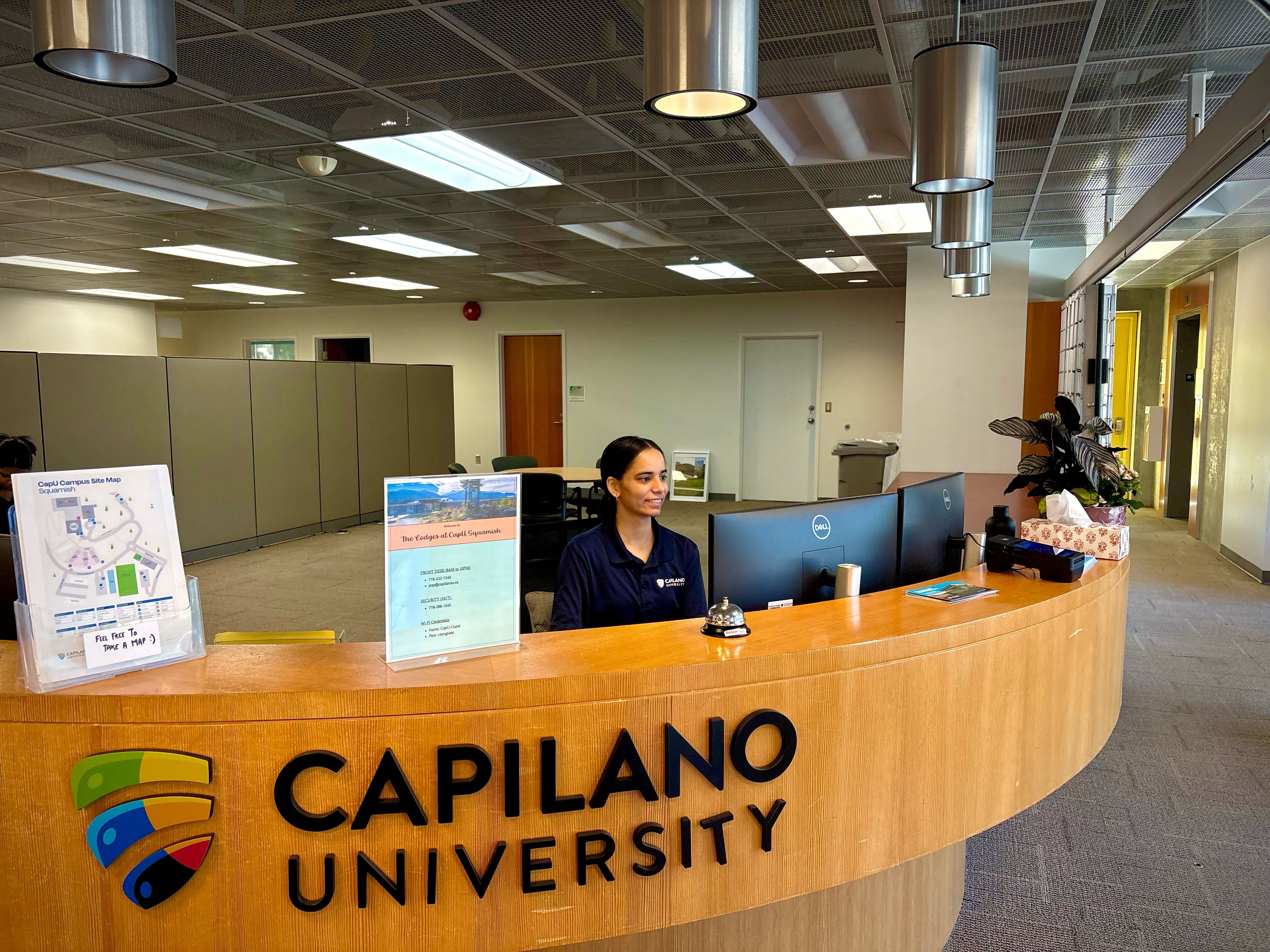
Photo: Ekta, courtesy of the Tourism Practicum program at CAPU
Test your understanding of onboarding and workplace integration
- Covers Module 5
- Worth 20% of your course certificate
- Includes 2 scenario-based questions
- Unlimited attempts
References
- What is a Buddy System in the Workplace? (With FAQs). Indeed Career Guide. Retrieved April 27, 2026, from https://ca.indeed.com/career-advice/career-development/buddy-system