Module 6: Providing Feedback and Supporting Student Development
| Site: | TRU Open Courses |
| Course: | Quality Work-Integrated Learning 2026 |
| Book: | Module 6: Providing Feedback and Supporting Student Development |
| Printed by: | Guest user |
| Date: | Monday, 12 October 2026, 3:42 PM |
Module 6

Photo: Courtesy of the WIL program at SFU
Welcome to Module 6: Providing Feedback and Supporting Student Development
In this module, you will explore how to support student growth and learning throughout their work-integrated learning (WIL) placement by offering clear, structured guidance. A strong culture of feedback helps students reflect on their experiences, build confidence, and develop the skills they need to succeed in the workplace. A strong feedback process also helps ensure successful WIL projects for your organization.
By the end of this module, you will have learned how to deliver input that is timely, constructive, and supportive; apply effective mentorship and coaching techniques; and adapt your approach to meet the diverse learning needs of individual students. By adopting thoughtful communication strategies, you can help create a more meaningful and transformative WIL experience—for both the student and your organization.
In this module, you will learn how to:
- Explain the importance of providing structured, timely feedback to WIL students.
- Apply effective mentorship and coaching techniques to support student development.
- Recognize and adapt different feedback styles to align with individual student needs and workplace contexts.
This module can be completed in approximately 30 minutes, focusing on the core content and activities.
1. Structured Feedback in WIL
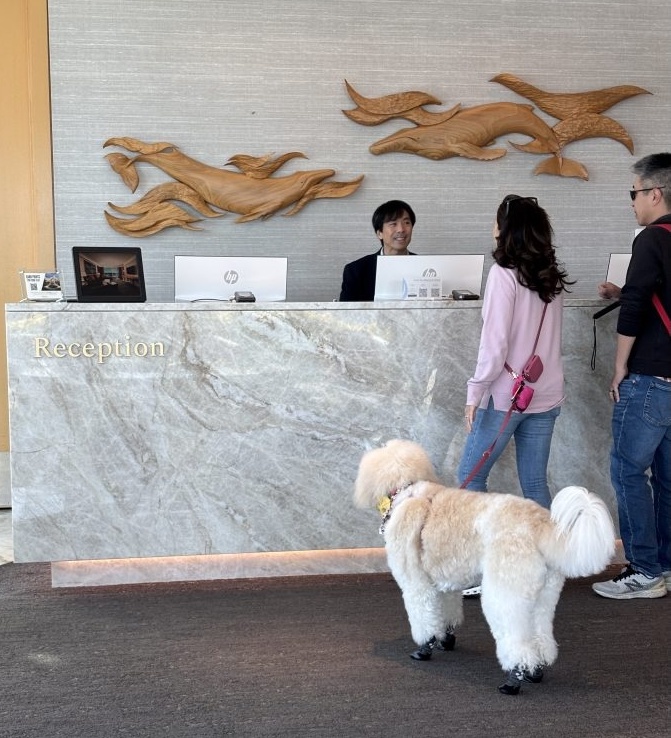
Photo: Courtesy of the Hospitality Management Co-op program at Camosun College
What happens when feedback doesn’t have the impact you intended?
For many students, especially those new to the workplace, feedback is a key part of how they learn, improve, and build confidence.
In this section, you will:
- Explore how structured, timely feedback helps students reflect on their work.
- Understand expectations, and stay engaged.
- Learn how to develop consistent feedback routines and discover tips for offering guidance in a way that is supportive, clear, and learning-focused.
Structured feedback also plays a vital role in helping students build resilience. By delivering input with empathy and clarity, you can support students in navigating challenges, viewing mistakes as learning opportunities, and responding to constructive feedback productively and confidently.
Midterm site visits are another key touchpoint during the work-integrated learning (WIL) experience. These visits are typically scheduled by the post-secondary institution and involve a conversation between the student, WIL host organization, and WIL coordinator, either in person or virtually. They provide an opportunity to reflect on the student’s progress, revisit learning goals, and address any concerns early in the term to support alignment and continued success.
Watch an example of a Cooperative Education - Mid-term Review here:
Finally, many Post-secondary institutions ask WIL partners to complete an appraisal form or a standard WIL feedback form at the end of a placement. These tools help assess a student’s progress, identify areas for improvement, and support their professional development. Becoming familiar with these forms can help streamline the feedback process and ensure alignment with students' academic expectations.
A strong example of a WIL student evaluation form is the Kwantlen University College, Co-operative Education Evaluation Form. This provides an example of what may be included in a form and what you may be asked to assess as a WIL partner. The form can be accessed by clicking here.
Linked below are some additional resources that we encourage you to read, as they all provide guidance around giving effective student feedback.
-
Giving Effective Feedback – University of Waterloo, Centre for Teaching Excellence
- Providing Feedback – BCIT Supervisor Toolkit (Scroll to “Providing Feedback”)
2. Mentorship and Coaching for Student Growth
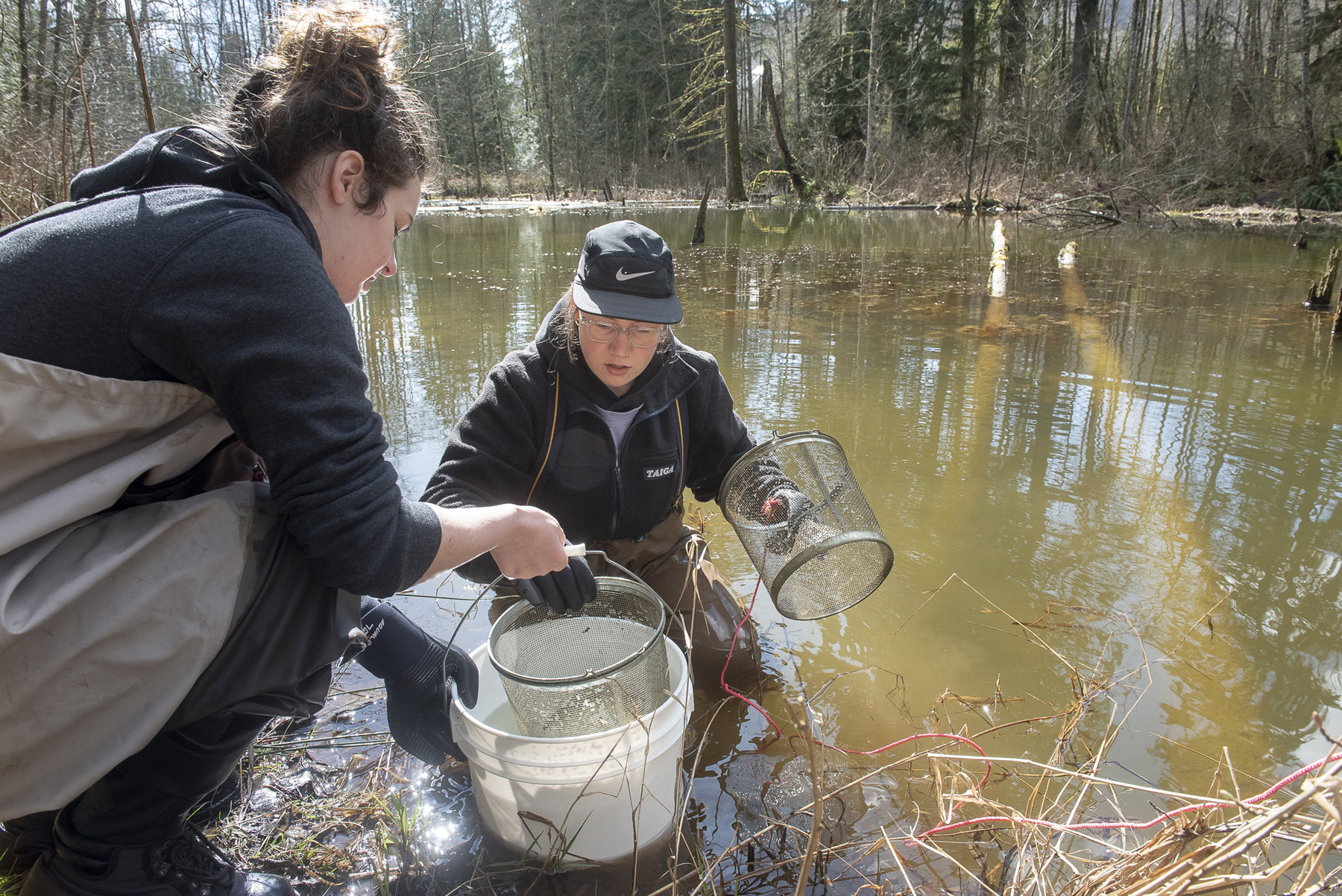
Photo: Courtesy of the WIL program at SFU
Mentorship is one of the most impactful ways to support student success. In this section, you’ll explore how to be an effective mentor or coach in a work-integrated learning (WIL) setting, whether you’re a supervisor, peer, or team member.
You’ll learn how to foster open communication, set development goals, and build a positive relationship with the student. Strong mentorship also improves retention, helps students feel valued, and contributes to a more inclusive workplace culture.
Instructions:
Tips and Tricks for Mentoring Students
1. Laying a Strong Foundation: Onboarding & Early Support
Key Practices
- Assign a clear supervisor or mentor, so students always know who to approach with questions.
- Arrange a structured welcome that includes a tour, introductions to colleagues, and setup of necessary tools (computer, workspace, access).
- Provide workplace behaviour expectations, safety protocols, confidentiality guidelines, and other essential orientation details.
- Acknowledge that this may be a student’s first professional environment— allow for a learning curve and normalize early questions.
- Build trust early by ensuring the mentor is accessible, approachable, and available for first-day and early-week conversations.
Takeaways
- Students thrive when onboarding is intentional, clear, and supportive.
- A designated mentor and structured orientation reduce uncertainty and set a positive tone.
2. Setting Expectations & Maintaining Consistent Communication
Key Practices
- Establish how and when check-ins will occur (daily, weekly, Zoom, in-person, etc.).
- Provide constructive feedback regularly and at scheduled review points to help students adjust and grow.
- Adjust responsibilities as needed to match student development, readiness, and skill progression.
- Share relevant materials such as past project examples and templates to help students understand expectations and standards.
- Invite students into meetings, staff events, and collaborative activities to build confidence and familiarity with team culture.
Takeaways
- Clear communication and regular feedback create a predictable structure and build professional competency.
- Integrating students into team routines strengthens belonging and accelerates learning.
3. Coaching for Growth: Guiding Reflection & Professional Development
Key Practices
- Engage students in conversations about interests, skills, previous experiences, and career aspirations to shape meaningful support.
- Guide students through real-world scenarios and challenges using a coaching approach that promotes independence and confidence.
- Provide constructive, challenge-specific feedback to help students improve task performance and workplace navigation.
- Facilitate reflective conversations that help students connect their work to long-term goals and professional identity.
Takeaways
- Mentorship is not just supervision; it’s guided learning that builds confidence and deepens career exploration.
- Reflection helps students meaningfully connect academic learning with hands-on experience.
4. Ensuring a Meaningful Overall Placement Experience
Key Practices
- Support students in integrating into workplace culture, including in remote or hybrid environments.
- Assign work that is appropriate for the student’s skill level but also promotes challenge and growth.
- Check in regularly to monitor engagement, address barriers early, and ensure the experience remains meaningful.
- Provide end-of-placement feedback, and invite the student to give feedback on the mentorship experience.
- Encourage networking and connection-building within the organization to expand student confidence and professional pathways.
Takeaways
- A successful placement is built on meaningful work, supportive check-ins, and two-way feedback.
- Strong mentorship enhances both student development and the organization’s long-term talent pipeline.
Summary
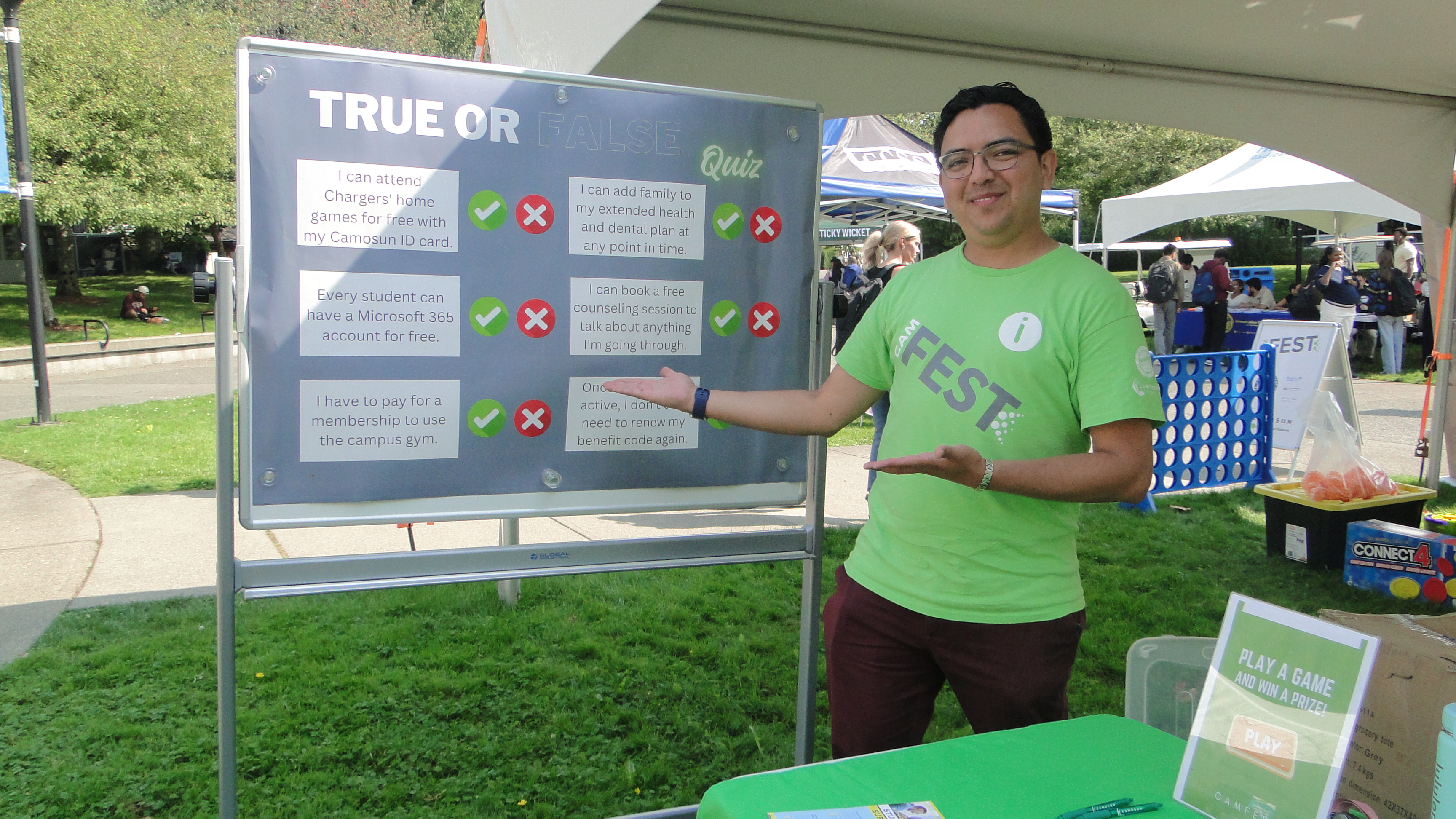
Photo: Courtesy of the PDD Marketing Co-op program at Camosun College
In this module, you:
- Explored key strategies for supporting student development throughout their work-integrated learning (WIL) placement.
- Learned how to deliver structured and timely feedback that promotes reflection, engagement, and skill-building.
- Examined mentorship and coaching techniques that foster positive relationships, open communication, and goal setting. These approaches help students feel supported, valued, and more connected to the workplace experience.
- Explored how to adapt your feedback style – whether directive, coaching, or collaborative – to meet the unique learning needs and communication preferences of diverse students.
Together, these practices contribute to a supportive WIL environment that enhances student growth and strengthens your organization’s learning culture.
If you have any questions regarding this module or would like to learn more about Work-Integrated Learning, please email info@acewilbc.ca
Knowledge Check
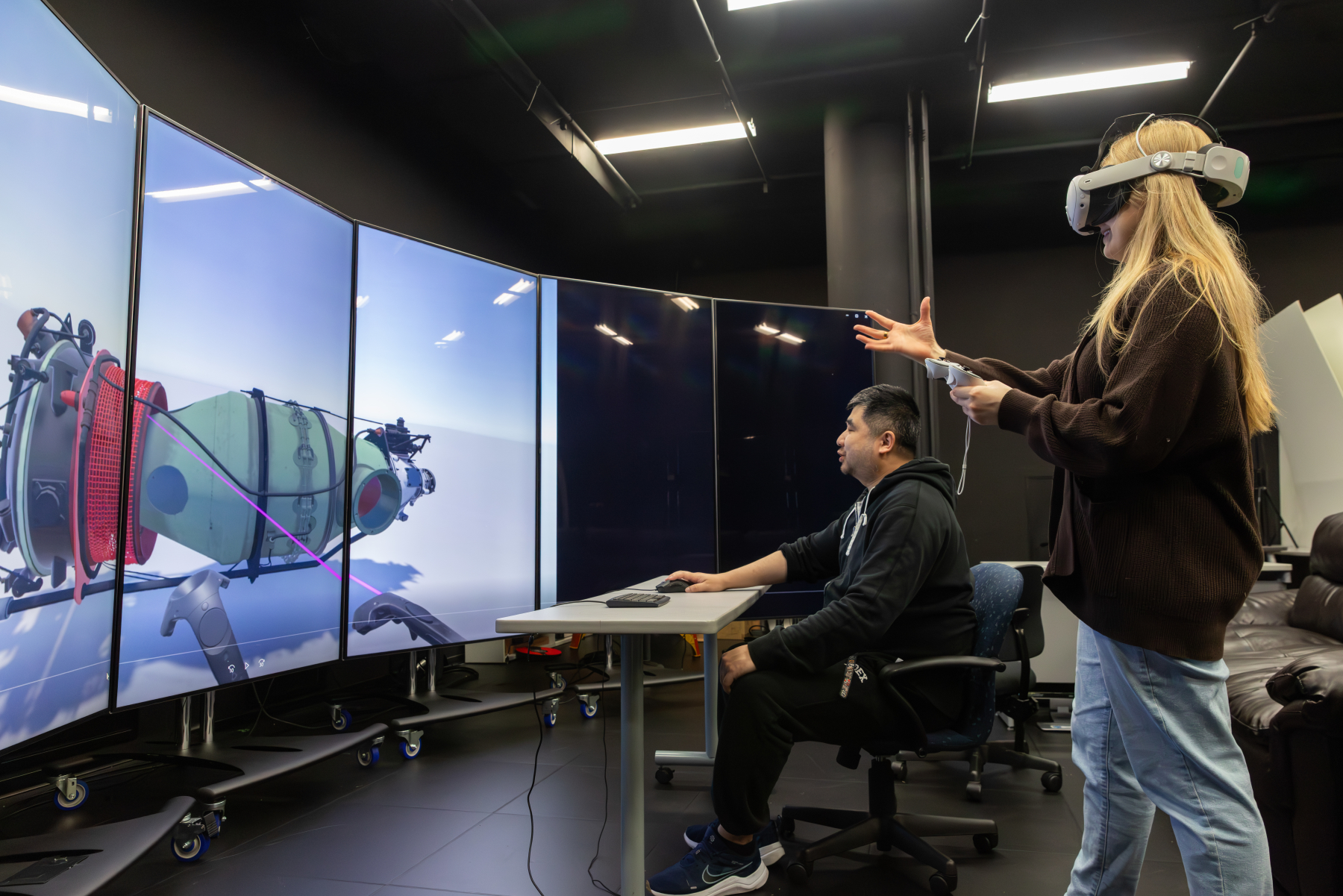
Photo: Courtesy of the WIL program at SFU
Test your understanding of onboarding, workplace integration, mentorship, and feedback strategies
- Covers Modules 5 and 6
- Worth 20% of your course certificate
- Includes 2 scenario-based questions
- Unlimited attempts
References
- Great place to Work. (March 3, 2022). What Makes a Successful Mentor? Retrieved May 1, 2026, from https://www.greatplacetowork.ca/en/articles/what-makes-a-successful-mentor
- British Columbia Institute of Technology. (n.d.). Supervisor toolkit. Retrieved May 26, 2025, from https://www.bcit.ca/workplace-education/employer-services/supervisor-toolkit/
- Business + Higher Education Roundtable. (n.d.). Course: Mentoring post-secondary students. Retrieved May 26, 2025, from https://bher.ca/resource/course-mentoring-post-secondary-students
- Centre for Teaching Excellence. (n.d.). Receiving and giving effective feedback. University of Waterloo. Retrieved May 26, 2025, from https://uwaterloo.ca/centre-for-teaching-excellence/catalogs/tip-sheets/receiving-and-giving-effective-feedback
- Co-operative Education and Work-Integrated Learning Canada (CEWIL). (2023, June 5). Cooperative education - Mid-term review [Video]. YouTube.
- Co-operative Education and Work-Integrated Learning Canada. (n.d.). Employer tool kit. Retrieved May 26, 2025, from https://cewilcanada.ca/CEWIL/Resources/Employer-Community-Partners/Employer-Tool-Kit-Folder/Employer-Tool-Kit.aspx
- Crestcom International. (2023, October 6). The do’s and don’ts of giving and receiving effective feedback. Retrieved May 26, 2025, from https://crestcom.com/blog/2023/10/06/the-dos-donts-of-giving-and-receiving-effective-feedback/
- Kwantlen Polytechnic University. (n.d.). Employer evaluation form. https://www.kpu.ca/sites/default/files/Career%20Services/Employer%20Evaluation%20Form.pdf
- LinkedIn. (n.d.). What are the most effective ways to accommodate diverse student needs in assessments and feedback? Retrieved May 26, 2025, from https://www.linkedin.com/advice/0/what-most-effective-ways-accommodate-diverse
- University of Toronto Scarborough. (n.d.). 5 effective ways to manage a co-op student. Retrieved May 26, 2025, from https://www.utsc.utoronto.ca/hire-coop/article/5-effective-ways-manage-co-op-student
- Sanfilippo F. The Importance of Mentorship in Career Development. Am J Pathol. 2025 Oct;195(10):1758-1765. doi: 10.1016/j.ajpath.2025.07.002. Epub 2025 Jul 23. PMID: 40712711; PMCID: PMC12597567.