Module 7: Employment Standards and Compliance
| Site: | TRU Open Courses |
| Course: | Quality Work-Integrated Learning 2026 |
| Book: | Module 7: Employment Standards and Compliance |
| Printed by: | Guest user |
| Date: | Monday, 12 October 2026, 3:42 PM |
Module 7

Photo: Courtesy of the Arts Science Co-op program at Camosun College
Welcome to Module 7: Employment Standards and Compliance
In this module, you will explore key employment standards and legal considerations that apply to work-Integrated learning (WIL) placements in British Columbia and across Canada. Whether hosting a co-op student, intern, or research assistant, understanding the legal and ethical responsibilities associated with student employment is essential for creating safe, fair, and high-quality learning experiences.
As a host organization, you're not only providing a student with valuable real-world experience, but you may also be participating in an employment relationship that comes with specific expectations. These include understanding when a placement should be paid or unpaid, offering reasonable accommodations, and complying with provincial and federal employment laws. Additionally, this module will introduce programs that support employer participation in WIL, such as wage subsidies, tax credits, and innovation grants.
We will also explore how ethical practices, including inclusive hiring, accessibility, and equity, intersect with compliance. Legal compliance is the baseline, but building a culture of fairness and accountability helps ensure that all students have equitable access to meaningful work and development opportunities.
In this module, you will:
- Learn about B.C. employment standards as they apply to WIL placements.
- Understand the differences between paid and unpaid placements and what makes each legally compliant.
- Identify ethical risks, accommodation responsibilities, and funding supports that influence student employment.
- Explore practical tools to assess and improve compliance across your organization’s WIL offerings.
1. Paid vs. Unpaid WIL Placements

Photo: Gurchadan Singh, courtesy of the Co-op program at TRU
Understanding the distinction between paid and unpaid work-integrated learning (WIL) placements is essential for employers who want to remain compliant with B.C. employment law while supporting student learning and workforce development. In British Columbia, unpaid internships are generally illegal, with only two clearly defined exceptions under the Employment Standards Act.
Legal Framework in B.C.
The Employment Standards Act of British Columbia allows unpaid work experience only under the following two conditions:
- The placement is a formal practicum that is part of a post-secondary educational program, usually involving structured supervision and defined learning objectives.
- The internship is required for entry into a regulated profession, as part of formal occupational training.
If a placement does not meet one of these criteria, it is subject to all standard employment protections, including:
- Minimum wage requirements
- Overtime rules
- Job-protected leave entitlements
If the work provides commercial benefit to the employer and is not part of a formal educational program, the student must be paid.
What Counts as a Valid Unpaid WIL Placement?
Permitted unpaid placements include:
- Practicums integrated into diploma or degree programs
- Supervised field experiences tied to course credit
- WIL placements offered through accredited co-op programs or training pathways
To be considered valid under the law, these experiences must:
- Be initiated and monitored by the academic institution
- Include a learning component or skills development
- Avoid displacing paid workers
Paid WIL Placements and Supports
Most student placements today are paid and often supported by government programs or wage subsidies. These programs help employers offset the cost of hiring students while complying with employment standards.
Examples of paid WIL funding and wage support programs:
- Student Work Placement Program (SWPP) – Federal wage subsidy through Employment and Social Development Canada
- Mitacs Accelerate and Business Strategy Internship (BSI) – Funding for research-based and innovation-related placements
- NRC IRAP and SR&ED Tax Credit – Research-focused support for hiring youth and interns
- Columbia Basin Trust Grants – Regional funding to help subsidize student wages
Unpaid Leave Protections for Paid Employees
While not always applicable to students, B.C. law also provides job-protected, unpaid leave for employees in areas such as:
- Illness or injury (up to 3 days)
- Family responsibilities (up to 5 days)
- Domestic or compassionate care needs
These laws reinforce the broader ethical and legal obligations of hosting workplaces and underscore the importance of treating WIL students with the same respect and clarity as other employees when applicable.
2. Ethical and Legal Employment Considerations
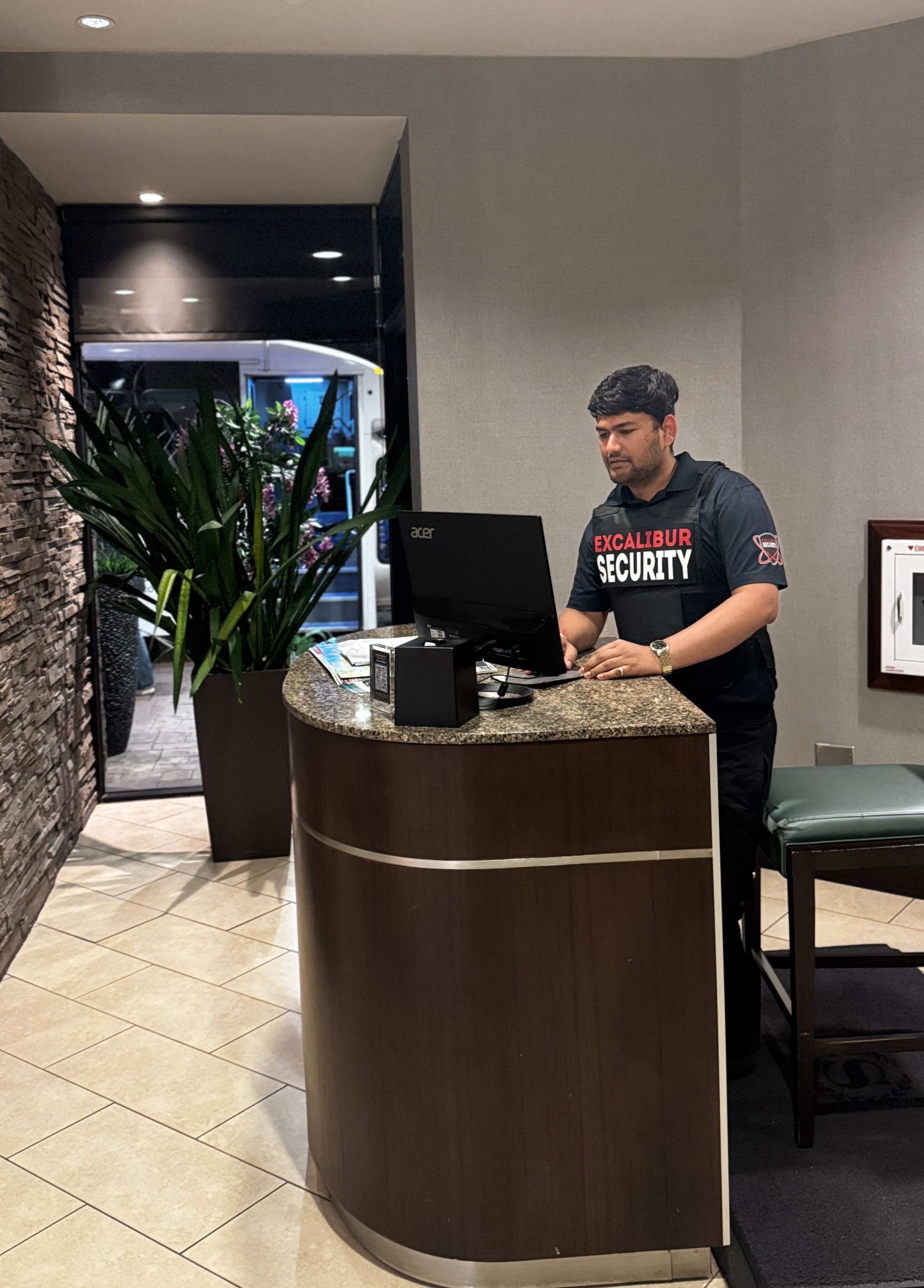
Photo: Abhimanyau, courtesy of the Tourism Practicum program at CAPU
While legal compliance forms the foundation of any work-integrated learning (WIL) placement, ethical considerations are just as essential for creating meaningful, inclusive, and equitable experiences. Hosting a WIL student isn’t only about following employment standards; it also involves proactively supporting student well-being, learning, and equitable participation.
In this section, we examine how ethics and compliance intersect and explore common workplace risks, including discrimination, lack of accommodations, and inequities in supervision or expectations.
Legal Responsibilities: A Baseline for Student Employment
Employers who host students in paid placements must follow all relevant labour standards, including:
- Minimum wage and compensation laws (if the role does not qualify as unpaid under B.C.’s Employment Standards Act)
- Health and safety obligations
- Protection from harassment or discrimination
- Job-protected leave entitlements (for paid employees)
Placements that fall under formal academic programs may be exempt from minimum wage laws, but they must still be safe, supervised, and centred on learning.
Ethical Practices: Going Beyond Compliance
Even when not legally required, ethical WIL practices help ensure all students, including those from equity-deserving groups, have an equal opportunity to succeed. Ethical practices involve:
1. Providing Equitable Access
- Use inclusive hiring and interview practices, such as sharing interview questions in advance or allowing for diverse communication styles (Resource 1).
- Clearly communicate job expectations, schedules, and evaluation criteria before the placement begins.
2. Offering Appropriate Accommodations
- Follow best practices when a student requests accommodation related to disability, health, or other needs (Resource 2).
- Adopt a universal design approach to reduce barriers before they arise.
3. Preventing Discrimination
- Be aware of both overt and subtle forms of discrimination, including unconscious bias in supervision or exclusion from workplace social activities (Resource 3).
- Create an environment where students feel comfortable reporting concerns and accessing support.
Tools and Supports for Ethical WIL
Several national and provincial resources are available to help employers meet their ethical and legal responsibilities:
- CEWIL’s PEAR Framework (Resource 5) encourages integration of pedagogy, experience, assessment, and reflection in WIL design.
- HEQCO WIL Guide (Resource 6) provides best practices for inclusive onboarding, supervision, and feedback.
- Mitacs BSI (Resource 13) outlines expectations for student support, IP protection, and co-supervision—all tied to ethical hosting.
3. Wage Subsidies, Grants and Compliance Supports

Photo: Courtesy of the Civil Engineering Technology Co-op program at Camosun College
Work-Integrated Learning (WIL) placements are not only a valuable investment in future talent but also a financially supported one. Across Canada, several wage subsidy and grant programs exist to reduce the financial burden on employers while ensuring student workers are treated fairly and compensated appropriately.
In this section, we outline key programs available to help employers host paid WIL placements while maintaining compliance with provincial and federal employment standards. These programs are especially useful for small and medium-sized enterprises (SMEs), non-profits, and employers in innovation or research sectors.
Funding Programs That Support WIL
The following programs offer direct or indirect financial support for hosting WIL students:
1. Student Work Placement Program (SWPP)
- Federally funded program administered through Employer Delivery Partners
- Offers up to 50–70% wage subsidies for student placements
- Covers co-ops, internships, mentorship programs, and more
- Must be tied to a student’s field of study and provide meaningful work experience
Source: Employment and Social Development Canada
2. Mitacs Programs
- Accelerate: Funds research-based internships in partnership with academic institutions. Employers contribute $7,500 and receive a $15,000 award per internship.
- Business Strategy Internship (BSI): Focuses on innovation and business development. Funding ranges from $10,000 to $15,000 per placement, with flexible models to support intern stipends and project costs.
- Both programs require academic and workplace supervision, a formal application, and structured learning outcomes.
Source: Mitacs Canada
3. NRC IRAP (Industrial Research Assistance Program)
- Offers wage support and advisory services for SMEs engaged in innovation or R&D
- Provides funding for hiring youth talent and supporting clean technology or AI projects
- Can be layered with other federal or provincial support programs
Source: National Research Council of Canada
4. SR&ED Tax Credit (British Columbia)
- Provides a 10% refundable or non-refundable tax credit for corporations conducting eligible research and development activities in B.C.
- Can apply to qualified wages for student researchers or interns working on R&D projects
- Must meet eligibility criteria and be claimed within 18 months of the fiscal year-end
Source: Government of British Columbia
5. Columbia Basin Trust Wage Subsidies and Grant Programs
- Offers a directory of programs supporting employment, innovation, and workforce development
- Includes job experience programs, youth community service awards, and support for non-profits
- Ideal for employers in B.C.’s Columbia Basin region looking to hire WIL students
Considerations for Employers
When applying for funding:
- Ensure the student’s role meets the requirements of the funding program, such as field of study, full-time enrollment, and project type.
- Keep track of application deadlines, contribution amounts, and reporting requirements.
- Confirm that any funding received does not exempt you from your obligations under the Employment Standards Act, including minimum wage, a safe workplace, and proper supervision.
- Gain clarity on the legal distinctions between paid and unpaid WIL placements under B.C.'s Employment Standards Act, including when unpaid placements are legally exempt and how to avoid misclassification.
- Explore ethical responsibilities that go beyond compliance, such as offering equitable access, accommodations, and inclusive supervision to support safe and meaningful student experiences.
- Review wage subsidy and funding programs, including SWPP, Mitacs, NRC IRAP, and SR&ED tax credits, that help employers offer paid placements while maintaining legal and ethical standards.
- Reach out to your local campus for support in deciding which funding is most applicable to your needs.
If you are ready to hire one or more students, there is a tool from ACE-WIL BC that makes advertising the opportunity easy, free, and available on every campus with one email. Check out the “Post a Job Opportunity” link to instantly post at all 25 public post-secondary schools, or select which schools you would like to post at.
Why Post at All Schools?
- Often, students attend different schools from those in their home community, so they may apply if they see an opportunity in their own community.
- Campuses change programs and offerings regularly. Did you know that most colleges now have degree programs in addition to diploma or certificate programs?
- There are fantastic and talented students at every school and in every term. Schools will self-select out of posting your position if it does not suit the student body.
Summary
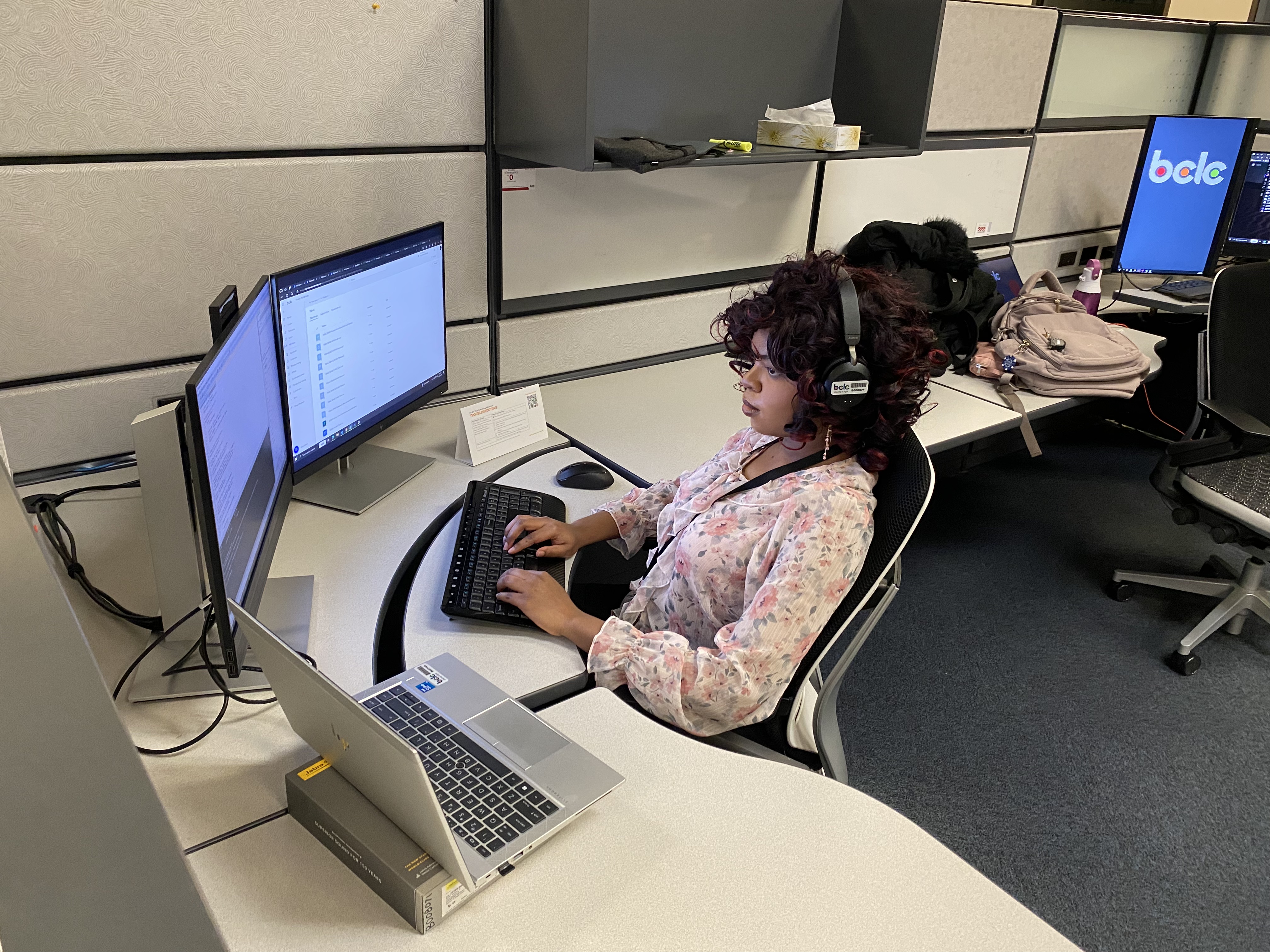
Photo: Angel Masano, courtesy of the Computing Science Co-op program at TRU
In this module, you:
- Gained clarity on the legal distinctions between paid and unpaid work-integrated learning (WIL) placements under B.C.’s Employment Standards Act, including when unpaid placements are legally exempt and how to avoid misclassification.
- Explored ethical responsibilities that go beyond compliance, such as offering equitable access, accommodations, and inclusive supervision to support safe and meaningful student experiences.
- Reviewed wage subsidy and funding programs, including SWPP, Mitacs, NRC IRAP, and SR&ED tax credits, that help employers offer paid placements while maintaining legal and ethical standards.
If you have any questions regarding this module or would like to learn more about Work-Integrated Learning, please email info@acewilbc.ca
References
- Ministry of Jobs, Economic Development and Innovation. (2026, March 23). Employment standards - Province of British Columbia. https://www2.gov.bc.ca/gov/content/employment-business/employment-standards-advice/employment-standards
- Canada, E. and S. D. (2018, August 8). Find wage subsidies to hire students in STEM or business. Aem. https://www.canada.ca/en/employment-social-development/services/student-work-placements-wage-subsidies.html
- Find a Program - Mitacs. (2025, May 2). Mitacs. https://www.mitacs.ca/programs-resources/programs/
- Canada, N. R. C. (2019, March 19). About the NRC Industrial Research Assistance Program. Nrc.canada.ca. https://nrc.canada.ca/en/support-technology-innovation/about-nrc-industrial-research-assistance-program
- Columbia Basin Trust. (2026, January 28). Grants and Programs Directory - Columbia Basin Trust. Columbia Basin Trust - Supporting the Ideas and Efforts of the People in the Columbia Basin. https://ourtrust.org/grants-and-programs-directory/
-
Post a Job Opportunity | ACE-WIL BC/Yukon. (2019). ACE-WIL BC/Yukon | Association for Co-Operative Education and Work-Integrated Learning BC/Yukon. https://acewilbc.ca/post-a-job-opportunity/