Module 8: Sustaining WIL Programs
| Site: | TRU Open Courses |
| Course: | Quality Work-Integrated Learning 2026 |
| Book: | Module 8: Sustaining WIL Programs |
| Printed by: | Guest user |
| Date: | Monday, 12 October 2026, 3:42 PM |
Module 8
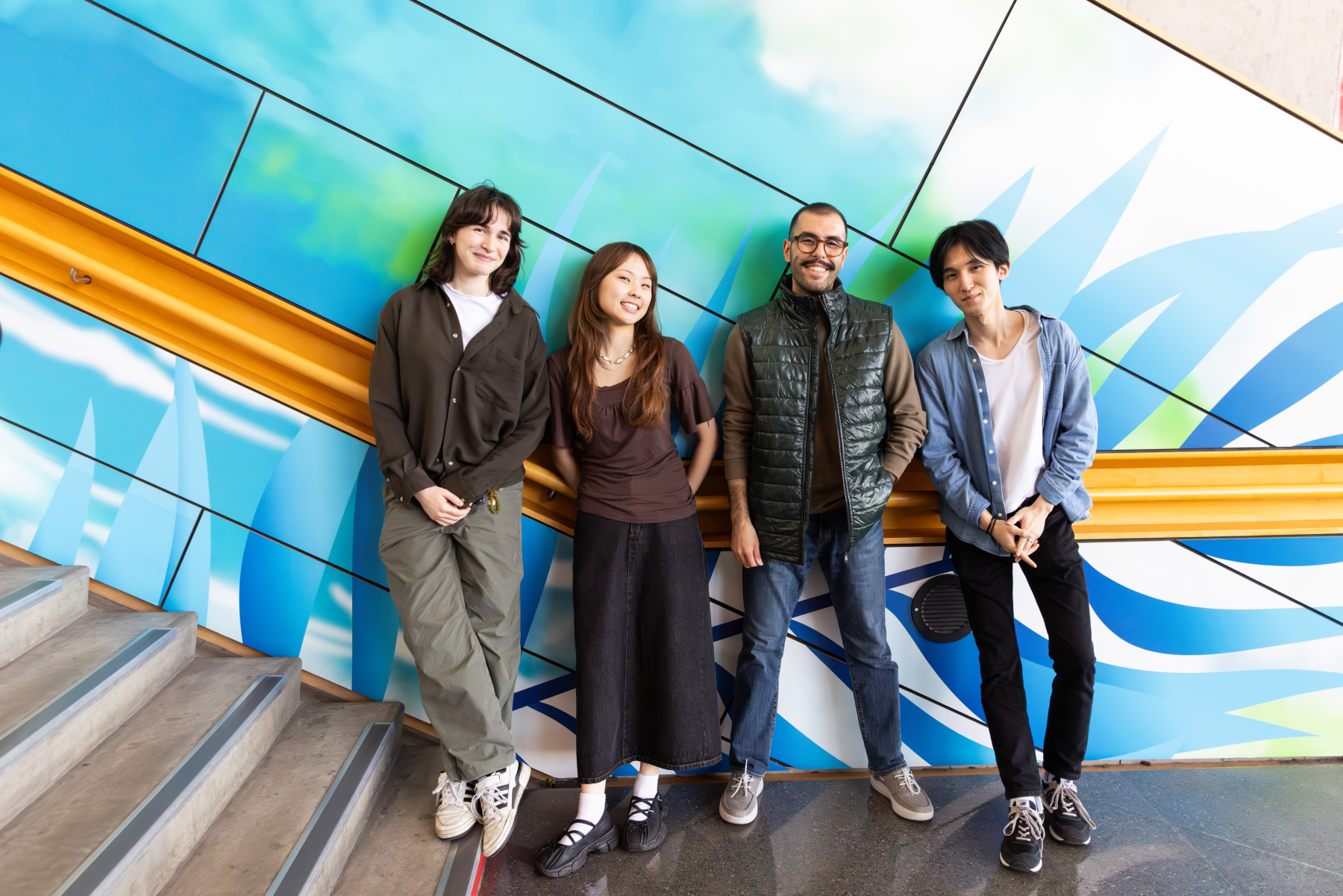
Photo: Courtesy of the WIL program at SFU
Welcome to Module 8: Sustaining WIL Programs
This final module supports your organization in moving from short-term work-integrated learning (WIL) opportunities to long-term, strategic participation in WIL.
Sustaining a WIL program means embedding student learning opportunities into your organizational planning, building strong institutional relationships, and maintaining inclusive and accessible practices that support a wide range of learners and WIL models.
This module invites you to reflect on what you have learned throughout the course and apply that knowledge to create a sustainable WIL model, engagement framework, and overall strategy that aligns with your organizational goals.
In this module, you will learn how to:
- Explore how to build a long-term WIL model using planning tools and a potential wage subsidy.
- Identify best practices that support continuous student engagement, learning, and performance.
- Apply everything you have learned in this course to outline a real-world strategy for delivering high-quality Work-Integrated Learning experiences within your organization.
This module is self-paced and will take approximately 30 minutes to complete. At the end of the module, you will find an optional planning activity that allows you to map out your organization’s WIL model using tools and resources provided throughout the course.
1. Developing a Sustainable WIL Recruitment Model
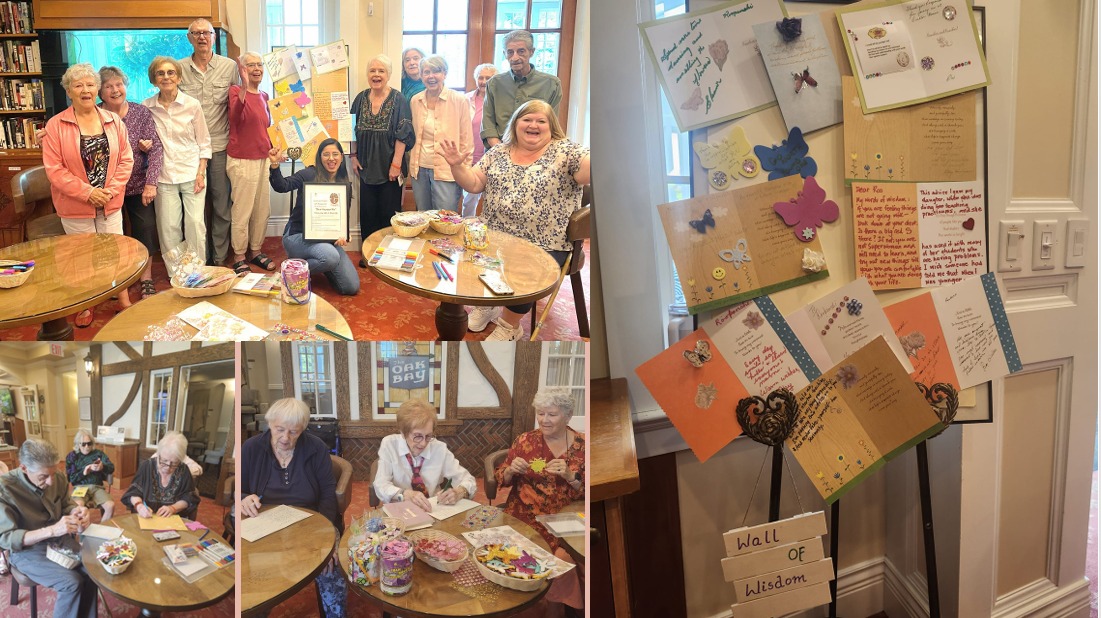
Photo: Courtesy of the Hospitality Tourism Management WIL program at CAPU
Establishing a consistent and sustainable work-integrated learning (WIL) recruitment model allows host organizations to move beyond one-time student placements and toward long-term collaborations between post-secondary institutions, students, and their organization. Rather than viewing WIL as a single partnership decision, organizations can intentionally plan and integrate student learning opportunities into their ongoing workforce and organizational development strategies.
This section introduces practical tools and funding options to help you design a repeatable, scalable recruitment process.
1. Standardize Student Roles and Onboarding Materials
Developing repeatable student roles helps streamline recruitment and onboarding while ensuring students are set up for success. Using a consistent format for role descriptions improves clarity and transparency, and standardized role design also supports equity and accessibility across your recruitment process.
You can begin shaping your roles using the Position Design Guide and the Work-Integrated Learning Position Description Template created by the University of Waterloo. Both resources are downloadable and customizable to meet your organizational needs.
In Practice: Repeatable Student Roles
- Each summer, a non-profit hosts students for a 100-hour community-engaged learning placement from May to August. Because the placement runs annually, the organization and post-secondary institution use a standardized student role description and onboarding materials, including clear responsibilities, learning goals, timelines, and reflection requirements.
- This consistent role design streamlines recruitment and onboarding, helps students understand expectations before they begin, and supports equity and accessibility by providing the same information and level of preparation to every student. Over time, repeatable roles also allow the organization and institution to refine projects and deepen learning without rebuilding the placement from scratch each year.
2. Plan with Institutional Timelines and Organizational Readiness
Long-term recruitment success depends on alignment with academic schedules and internal planning cycles. Post-secondary institutions often have specific timelines for promoting student opportunities, so submitting positions early can increase visibility and access to a broader candidate pool.
Internally, consider completing the Work-Integrated Learning Criteria Planning Sheet to assess your organization’s readiness and capacity. The Procedures Checklist can also help ensure that supervision, feedback processes, and accessible onboarding practices are in place before students begin.
In Practice: Aligning Timelines and Organizational Readiness
- A host organization supporting a mandatory practicum understands that placement readiness requires careful advance planning. In addition to recruitment and supervision planning, students must complete required documentation such as a criminal record check, a process that can take several months to finalize.
- To accommodate these requirements, the organization connects with its post-secondary partner at least one academic term in advance. This lead time allows the institution to promote the practicum, manage applications, and ensure students complete all approvals and paperwork before the placement begins.
- By aligning institutional timelines with internal readiness, the organization ensures practicums start on time, students arrive prepared, and the WIL opportunity remains compliant, manageable, and sustainable over time.
3. Leverage Funding and Wage Subsidy Programs
Accessing external funding can make it more feasible for organizations to host students on an ongoing basis, particularly for smaller organizations or those expanding their WIL participation. Several national and regional programs offer wage subsidies or grants that support student learning opportunities, including:
- Student Work Placement Program (SWPP): Provides wage subsidies for post-secondary students in quality, work-related placements.
- Mitacs Accelerate: Supports innovation-focused internships through matched funding for four- or six-month placements.
- Mitacs Business Strategy Internship (BSI): Supports student projects focused on business operations and growth strategies.
- School Works Program, Columbia Basin Trust: Offers wage funding for organizations in British Columbia’s Columbia Basin region.
For a comprehensive overview, download the INWIL Employer Grant and Funding Guide, which outlines eligibility requirements, application tips, and deadlines. This resource was also introduced in Module 4.3.
Each program has unique requirements, but all can play a critical role in building and sustaining a multi-year WIL recruitment plan.
In Practice: Leveraging Mitacs Funding for Extended Projects
- A host organization partners with a post-secondary institution to engage business students on an extended WIL project focused on organizational strategy and growth. By applying to a Mitacs-supported program, the organization is able to co-fund the placement, allowing students to receive compensation while working on a clearly defined, higher-impact project.
- The Mitacs funding enables students to dedicate more time to their work, supports deeper analysis and deliverables, and reduces financial barriers for the host organization. This shared investment allows both the organization and the post-secondary partner to design a more robust learning experience while making ongoing participation in WIL more feasible and sustainable.
4. Build Long-Term Relationships with Institutions
One of the most effective strategies for sustaining Work-Integrated Learning opportunities is developing strong, long-term relationships with post-secondary institutions. Maintaining open communication with WIL coordinators, faculty members, and career or experiential learning teams helps ensure each placement is meaningful and well aligned.
Use each term as an opportunity to share feedback, discuss student progress, and stay informed about upcoming opportunities. Over time, this consistency builds trust, strengthens partnerships, and improves alignment between students and host organizations.
In Practice: Building Long-Term Institutional Relationships Through Mentorship
- A host organization in the automotive sector partners with a post-secondary institution to support WIL placements that emphasize mentorship. Students are paired with experienced automotive professionals who act as mentors, providing guidance, skills coaching, and regular feedback throughout the placement.
- By maintaining ongoing communication with faculty and WIL coordinators each term, the organization aligns mentorship expectations, shares feedback on student progress, and plans future placements in advance. Over time, this consistent collaboration strengthens relationships, supports high-quality mentorship, and leads to more meaningful and well-aligned learning experiences for students.
2. Sustaining Student Engagement Throughout the Placement
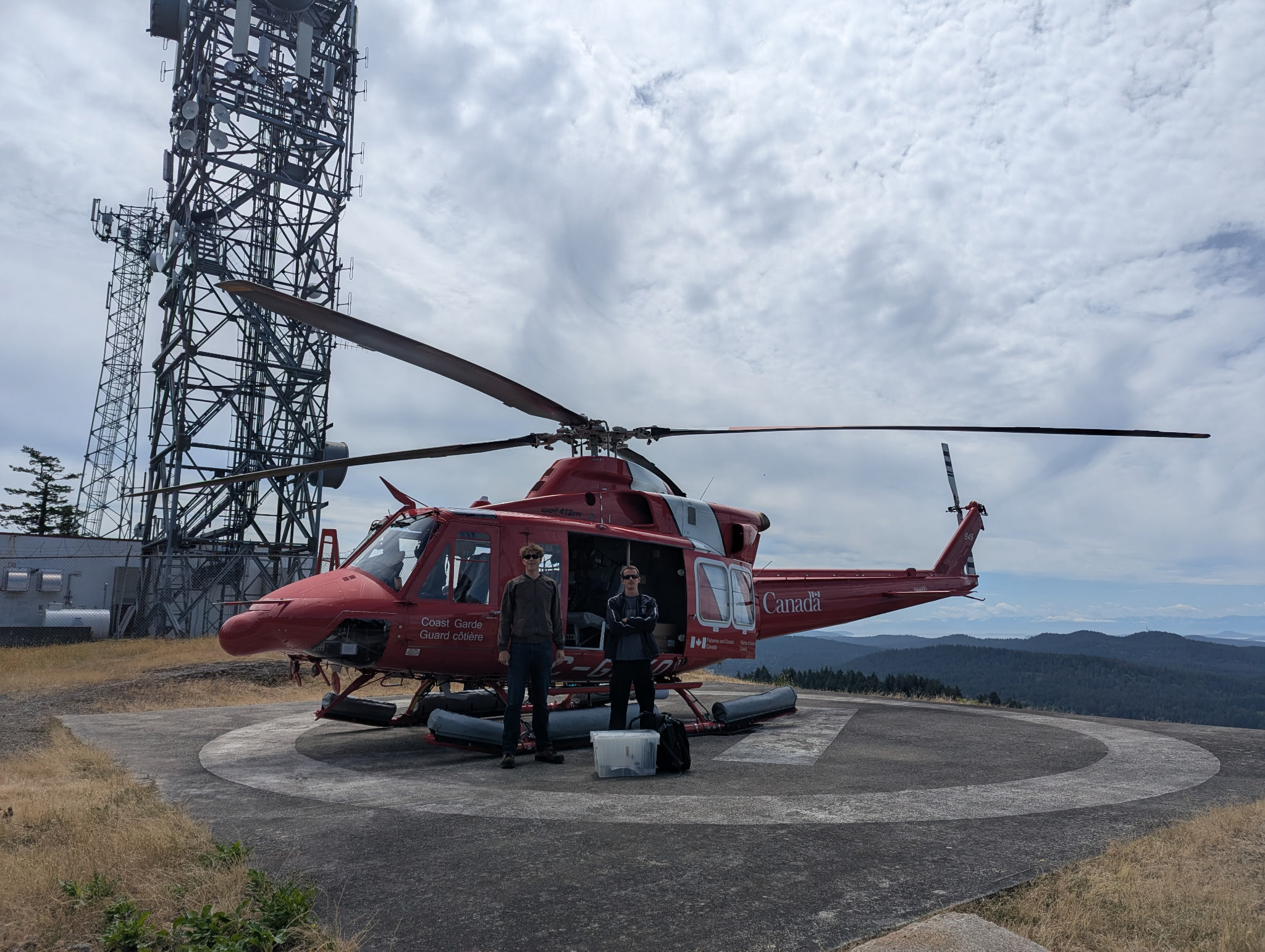
Photo: Courtesy of the Electrical Engineering Technology Co-op program at Camosun College
Meaningful work-integrated learning (WIL) experiences extend well beyond onboarding. Sustaining a high-quality program requires organizations to actively engage students throughout their placements by creating inclusive environments, offering structured feedback, and encouraging reflection on learning.
When students feel supported and involved, they contribute more meaningfully to projects, share ideas with confidence, and are more likely to recommend your organization to others. This section highlights practical engagement strategies and connects you to resources that support student success.
1. Provide Ongoing Feedback and Regular Check-Ins
Clear, consistent communication plays a key role in student learning and engagement. Establish regular check-ins where students can ask questions, discuss progress, and receive guidance. Well-timed feedback supports skill development while building confidence and trust.
Engagement also deepens when students are assigned meaningful work, invited to team discussions, and recognized for their contributions. Simple actions such as inviting students to meetings or acknowledging their work—help reinforce belonging and professional growth.
2. Assign a Mentor or Peer Buddy
Designating a mentor or peer buddy can significantly improve the student experience by clarifying expectations, supporting workplace navigation, and fostering inclusion. A buddy system might involve weekly check-ins or informal guidance on workplace norms and processes.
The Mentoring Post-Secondary Students Course, developed by the Business and Higher Education Roundtable, offers a free, self-paced resource for host organizations interested in strengthening mentorship practices.
3. Make Engagement Inclusive and Accessible
Students enter WIL opportunities with diverse academic backgrounds, lived experiences, and access needs. Being proactive about accessibility and communication preferences helps ensure all students can fully participate and succeed.
Helpful tools from Co-operative Education and WIL Canada include:
- Accessible Virtual Events Guide for inclusive online meetings and onboarding
- Social Media Accessibility Guide for inclusive digital communication
Small adjustments—such as enabling captions, sharing materials in advance, or minimizing jargon can meaningfully improve accessibility and student engagement.
4. Invite Student Reflection and Feedback
Encouraging student reflection before the end of a placement allows learners to recognize their growth and provides valuable insight for your organization. Reflection and feedback support continuous improvement across placements.
The Procedures Checklist from the University of Waterloo includes prompts that can help structure end-of-term conversations and gather meaningful feedback from students.
3. Bringing It All Together: Developing Your WIL Strategy
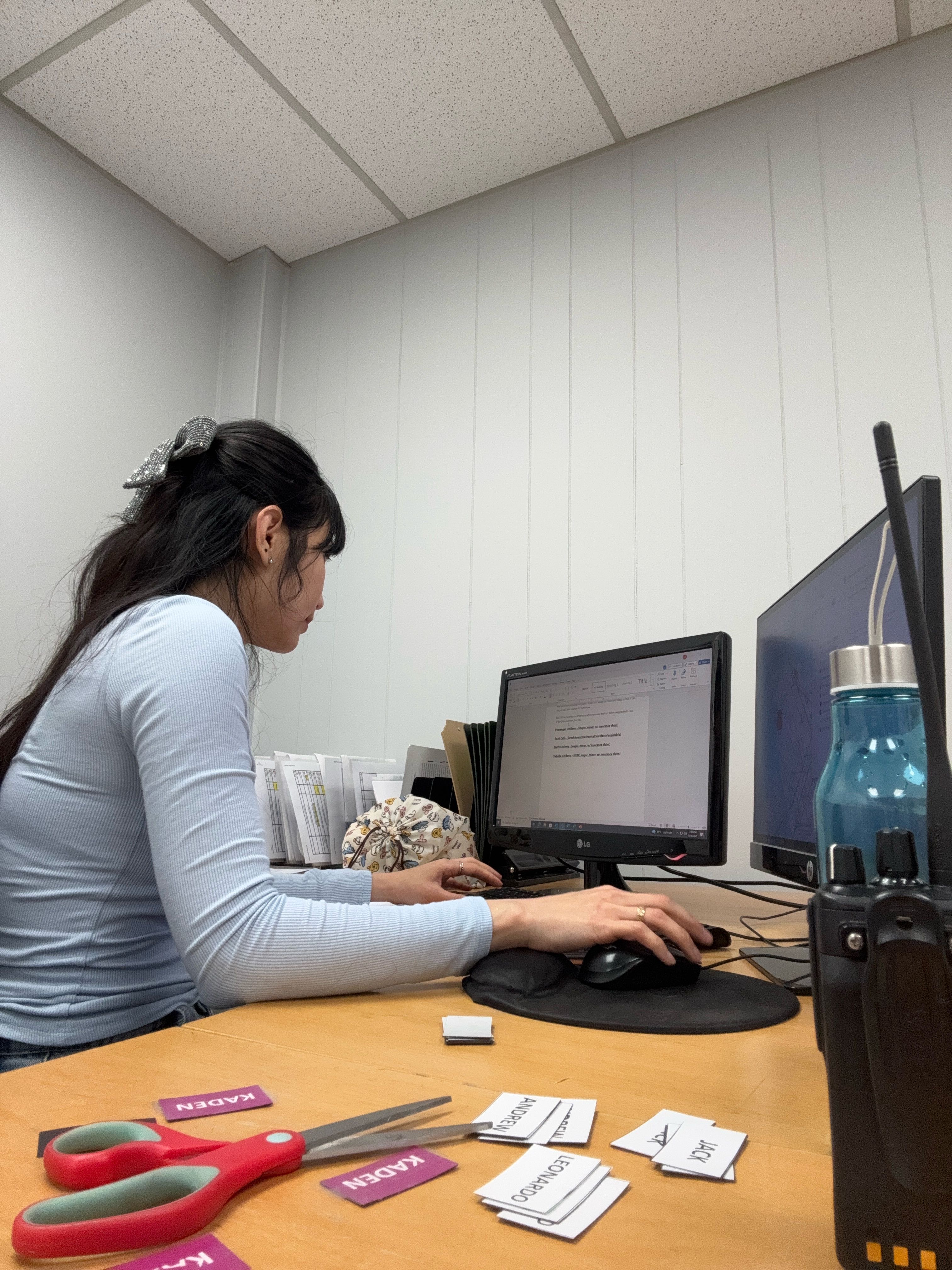
Photo: Uyen Huynh, courtesy of the Tourism Practicum program at CAPU
Throughout this course, you have explored the foundations of work-integrated learning (WIL), legal responsibilities, inclusive recruitment, supervision strategies, and student engagement best practices. This section supports you in bringing these elements together to outline a WIL strategy that aligns with your organization’s context and goals.
A strong WIL strategy extends beyond posting positions. It reflects intentional planning, structured learning, and long-term organizational priorities such as inclusion, workforce development, innovation, and community engagement.
1. Define Your Goals and Outcomes
Begin by clarifying why your organization participates in WIL. Goals might include building future talent pipelines, fostering innovation, strengthening institutional partnerships, or increasing workforce diversity.
The Work-Integrated Learning Criteria Planning Sheet can help you reflect on goals, readiness, and capacity.
2. Map the Full Student Journey
An effective strategy considers every phase of the student experience from role design and recruitment to onboarding, supervision, feedback, and reflection.
Resources such as the HEQCO Practical Guide for Work-Integrated Learning and the P.E.A.R. model (Pedagogy, Experience, Assessment, Reflection) provide frameworks for delivering high-quality, learning-focused WIL experiences.
3. Gather Feedback and Improve Over Time
Your WIL strategy should evolve based on experience and feedback. After each placement, seek input from students and supervisors to refine roles, improve supervision, and enhance accessibility.
Tools such as informal surveys or structured interviews—including adaptations of the Employee Retention Survey Sample—can support continuous improvement.
4. Course Conclusion
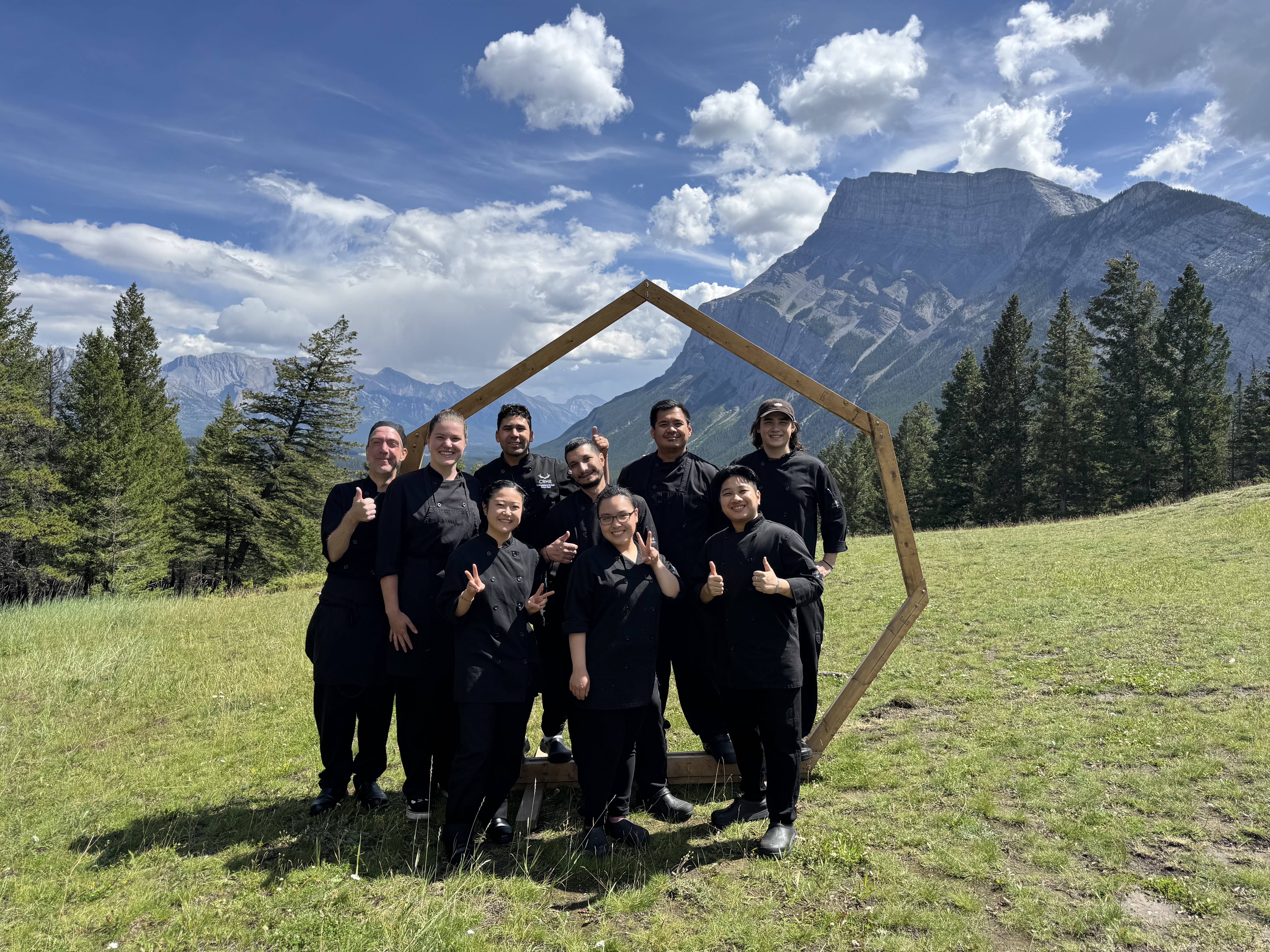
Photo: Courtesy of the Hospitality Management Co-op program at Camosun College
Over the course of these eight modules, host organizations have explored how work-integrated learning (WIL) can support student learning while creating meaningful value for organizations and communities.
You have learned about the diversity of WIL models, the role host organizations play in creating inclusive and supportive learning environments, and practical strategies for supporting student success. The course has also emphasized the importance of reflection, feedback, and long-term planning in sustaining high-quality WIL opportunities.
By understanding how to design meaningful roles, support student development, and build strong institutional partnerships, you are better equipped to deliver WIL experiences that are intentional, inclusive, and sustainable.
We hope this course becomes a resource you return to as you continue to guide students through Work-Integrated Learning initiatives. Your commitment as a host organization plays an essential role in shaping impactful learning experiences that benefit students, organizations, and the broader community.
Summary
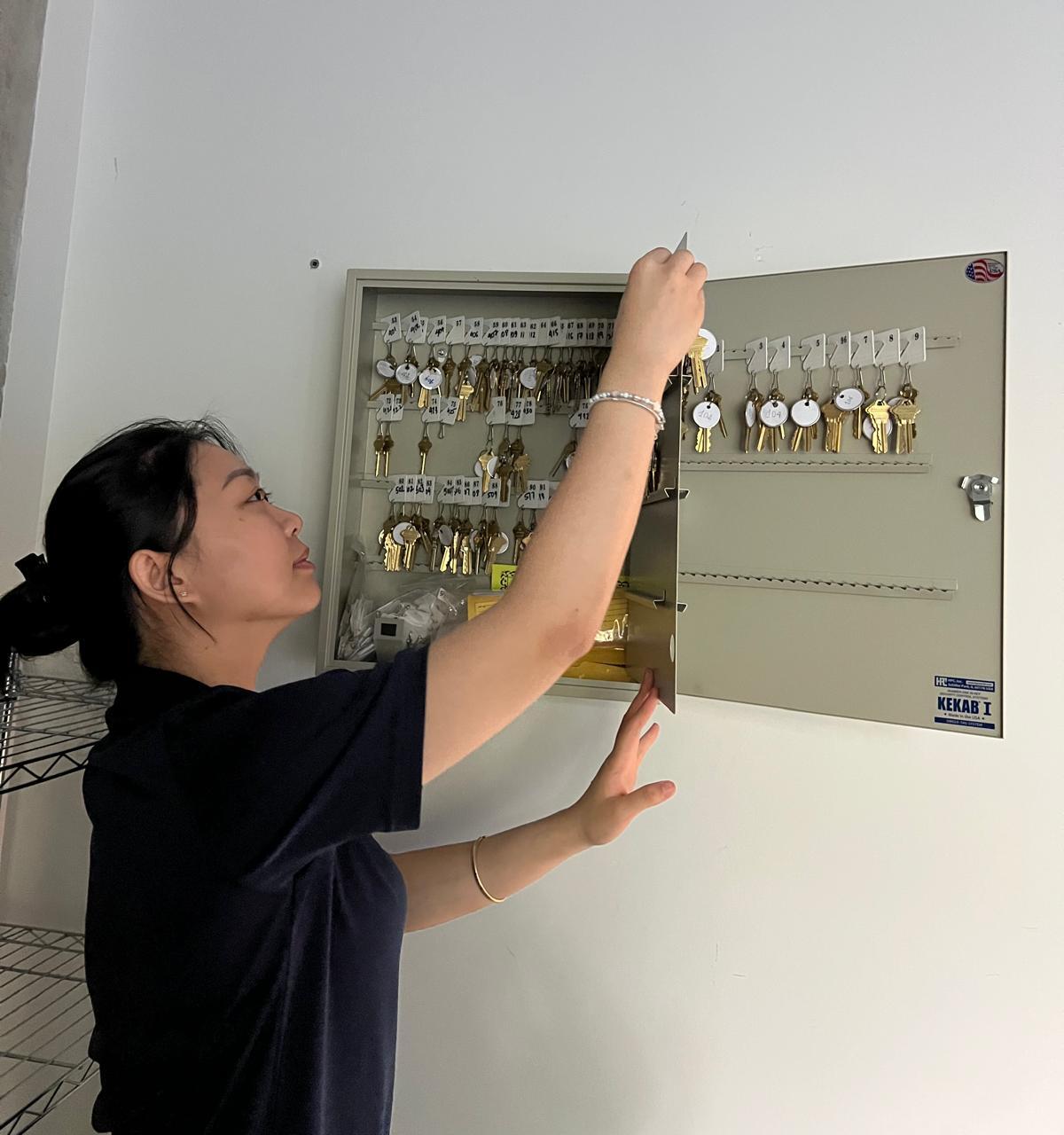
Photo: Jessie Hoang, courtesy of the Tourism Practicum program at CAPU
In this module, you:
- Explored how to build long-term, strategic work-integrated learning (WIL) programs by aligning recruitment with institutional timelines, standardizing roles, leveraging wage subsidies, and cultivating ongoing relationships with post-secondary partners.
- Identified best practices for sustaining student engagement, including inclusive mentorship, regular feedback, accessible communication, and reflective practices that support continuous improvement.
- Synthesized course-wide learning to develop a real-world WIL tailored to your organization’s goals, guided by frameworks, planning tools, and quality indicators for inclusive experiential learning.
If you have any questions regarding this module or would like to learn more about Work-Integrated Learning, please email info@acewilbc.ca
Knowledge Check

Photo: Courtesy of the Hospitality Management Co-op program at Camosun College
Test your understanding of employment standards, compliance, and long-term WIL sustainability planning
- Covers Modules 7 and 8
- Includes an optional worksheet
- Unlimited attempts
References
- A Practical Guide for Work-Integrated Learning Effective and Inclusive Practices to Enhance the Educational Quality of Structured Work Experiences Offered through Colleges and Universities 2 ND EDITION. (2024). https://heqco.ca/wp-content/uploads/2024/11/HEQC001-WIL_Guide-Combined-ENG-FINAL.pdf
- Croteau, Victoria. PEAR Model. (2021, November 12). https://www.cewilcanada.ca/common/Uploaded%20files/Public%20Resources/IWIL/PEAR%20model_English.pdf