Module 1: Introduction to Quality WIL and Employer Responsibilities
| Site: | TRU Open Courses |
| Course: | Quality Work-Integrated Learning 2026 |
| Book: | Module 1: Introduction to Quality WIL and Employer Responsibilities |
| Printed by: | Guest user |
| Date: | Monday, 12 October 2026, 3:42 PM |
Description
Module 1
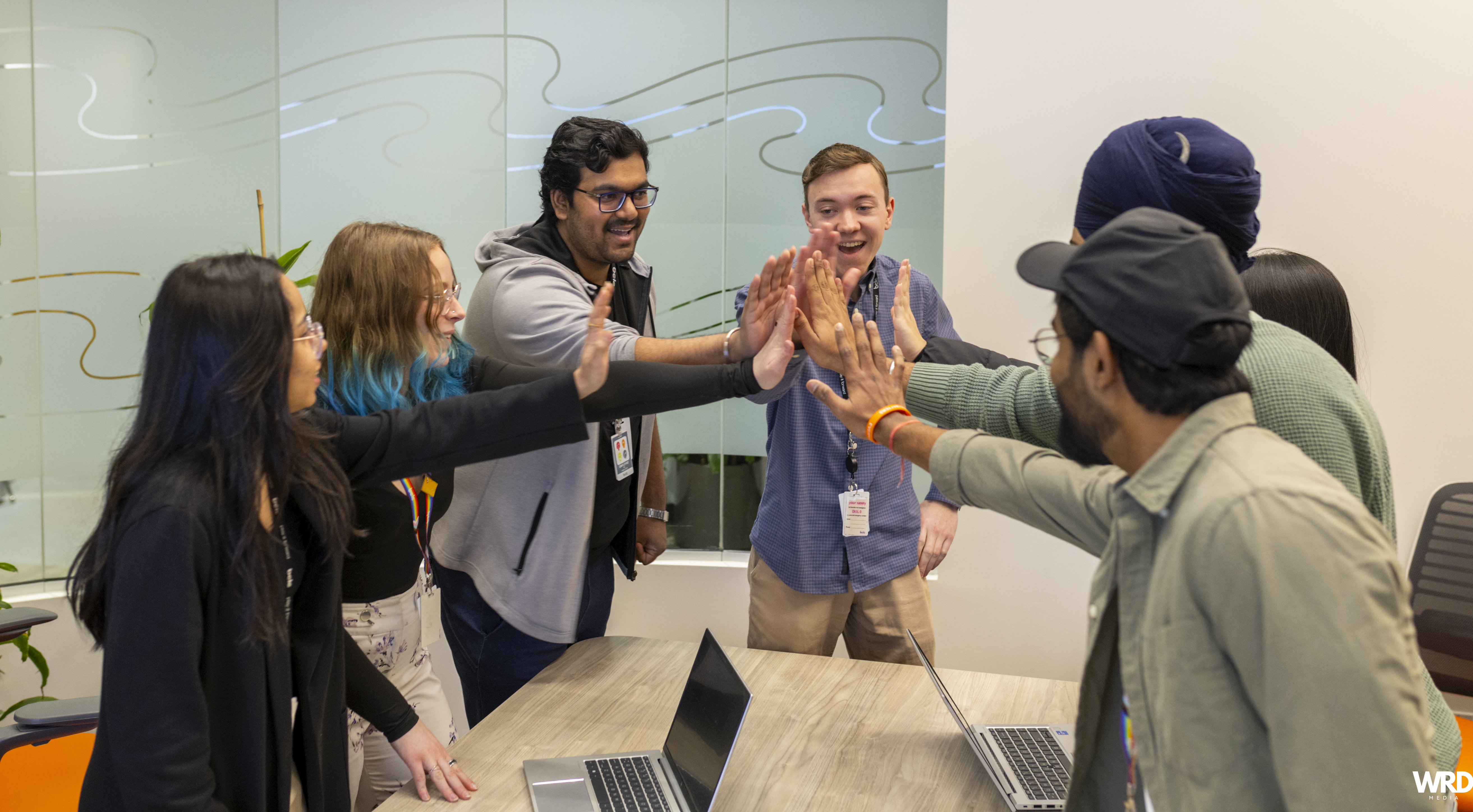
Photo: Courtesy of the Computing Science Co-op program at TRU
Welcome to Module 1: Introduction to Quality WIL and Employer Responsibilities
This module gives you practical tools to create effective work-integrated learning (WIL) experiences that support your team and talent goals.
WIL is a structured partnership where students contribute to real work while employers gain support, fresh ideas, and future talent. Examples of WIL include Co-ops, internships, applied projects, service learning, and short-term placements.
In this module, you will learn how to:
- Make WIL align with your organization's project and talent needs
- Identify what makes a high-quality WIL experience
- Understand your responsibilities as a host
- Identify easy improvements to your current or future WIL placements
Begin with Module 1.1, where we define WIL and examine its growing role in education and workforce development.
1. Define Work-Integrated Learning (WIL) and Its Role in Education and the Workforce
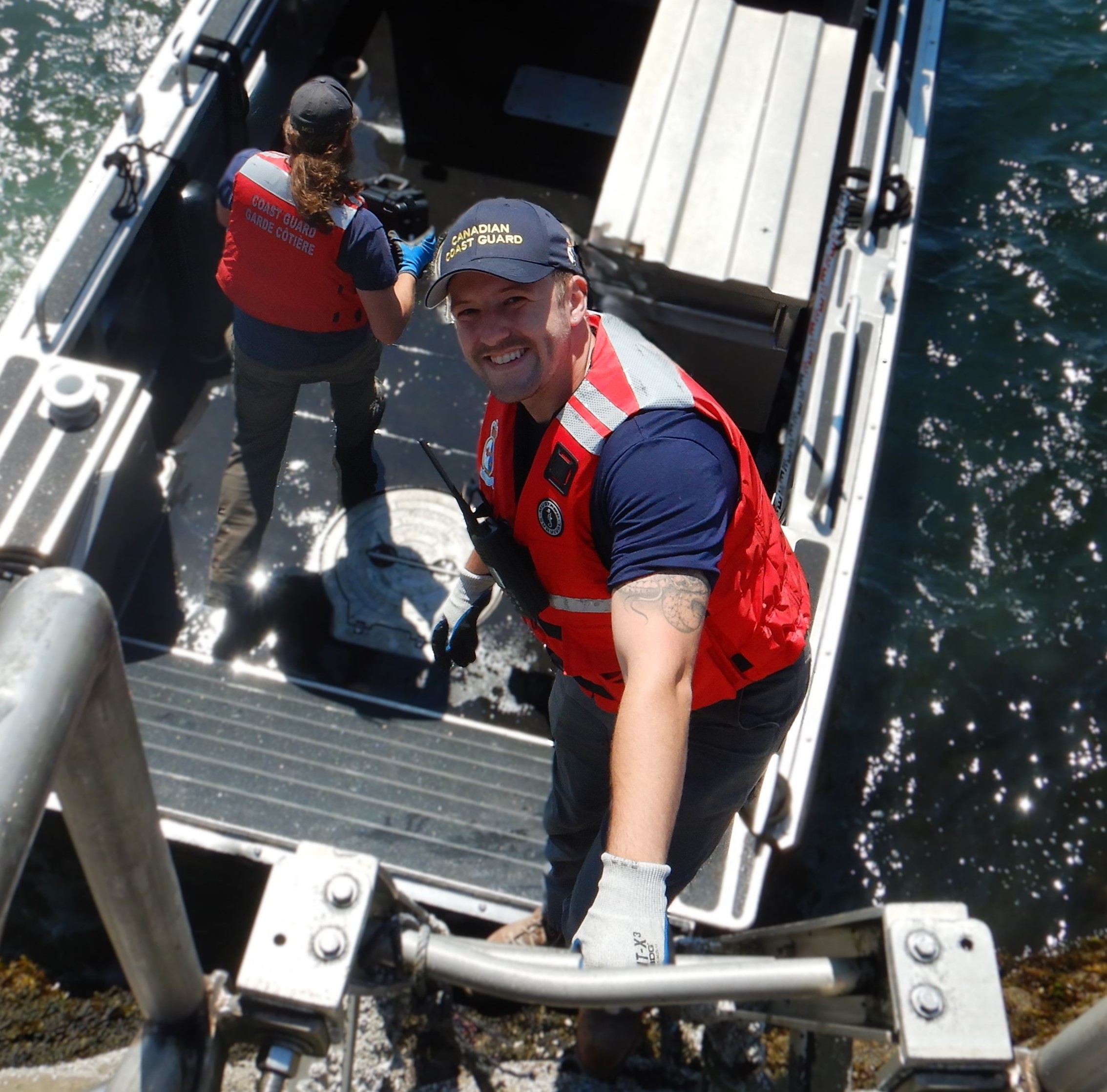
Photo: Courtesy of the Civil Engineering Technology Co-op program at Camosun College
Work-Integrated Learning (WIL) is a form of experiential education that formally connects a student's academic studies with meaningful, structured work experience in a workplace or practice setting. These experiences help students apply classroom learning to real-world work and support their development as job-ready professionals.
WIL is built on an intentional partnership between three key stakeholders:
- A post-secondary institution
- A host organization or employer
- A student
As defined by CEWIL Canada:
Work-integrated learning is a form of curricular experiential education that formally integrates a student's academic studies with quality experiences within a workplace or practice setting. WIL experiences include an engaged partnership of at least: an academic institution, a host organization, and a student.
(Approved by CEWIL Canada membership, November 3, 2021)
WIL can occur at the course or program level and is guided by student-focused learning objectives tied to outcomes such as employability, personal agency, knowledge and skill mobility, and life-long learning. These experiences are often credit-bearing, supported by structured supervision and reflection, and structured to benefit all parties involved.
Why WIL Matters in the Workforce
From an employer's perspective, WIL offers clear and practical value:
- Talent development: Students bring fresh ideas, up-to-date knowledge, and diverse perspectives into your workplace.
- Workforce readiness: WIL helps prepare students with the real-world skills needed for a changing labour market.
- Leadership development: Hosting WIL students provides existing staff with professional development in coaching and leadership.
- Recruitment pipeline: WIL placements can serve as a low-risk way to assess potential future hires.
- Industry-academic partnerships: Engaging with post-secondary institutions fosters innovation and strengthens community partnerships.
As a host organization, your participation in WIL helps build a more skilled, inclusive, and competitive workforce across British Columbia and the Yukon.
Why WIL Matters in Education
Within post-secondary education, WIL plays a key role in:
- Bridging the gap between theory and practice
- Improving student engagement, confidence, and career-relevant skill development
- Preparing students for entry into the workforce
- Aligning academic programs with labour market and community needs
When designed with quality and inclusivity in mind, WIL enhances educational relevance and supports stronger career outcomes for students from a range of academic backgrounds and lived experiences.
2. Identify the Benefits of WIL for Employers, Students, and Institutions

Photo: Garrett Grubisa, courtesy of the WIL program at TRU
Work-Integrated Learning (WIL) offers meaningful benefits for all involved—students, employers, and post-secondary institutions. These partnerships are most successful when everyone involved understands the value WIL brings and how to support one another in achieving shared goals.
This module will help you:
- Identify the unique benefits WIL brings to each stakeholder group
- Explore how WIL aligns with your business priorities and organizational values
- Reflect on how your organization can maximize the value of a WIL opportunity
Benefits for Employers
Employers and host organizations benefit from WIL in the short and long term. According to the ACE-WIL Employer Tipsheets (2021):
- Access to emerging talent: WIL students bring energy, up-to-date knowledge, and new perspectives to your team.
- Support for innovation: Students can identify creative solutions and support projects such as data analysis, marketing, research, prototyping, digital transformation, and many other innovative projects within your organization.
- Talent pipeline development: WIL placements allow you to assess students as potential long-term hires with reduced recruitment risk.
- Mentorship and leadership growth: Supervising students builds mentorship and coaching capacity within your team.
- Community and institutional engagement: Partnerships with post-secondary institutions can lead to ongoing collaboration, research, and increased visibility.
WIL students can help you adapt to online platforms, design and launch new products, conduct field research, and implement communications plans.
(ACE-WIL Employer Tipsheets, 2021)
Employers may also access government funding programs to support WIL placements. These programs are often tailored to small and medium-sized organizations and can help offset costs and administrative effort.
Visit acewilbc.ca to explore current WIL funding opportunities.
Benefits for Students
Students benefit from WIL by:
- Applying theory in real contexts: WIL connects academic learning with practical workplace application.
- Developing core skills: Communication, teamwork, adaptability, and leadership are all developed in WIL placements.
- Building networks: WIL connects students with professionals, mentors, and potential future employers.
- Increasing employability: Many WIL students graduate with clearer career goals, stronger resumes, and better job prospects.
This is especially important for students from underrepresented backgrounds, including Indigenous students, international students, racialized students, students with disabilities, 2SLGBTQIA+ students, women in underrepresented fields, and students from rural or remote communities—many of whom face systemic barriers in accessing meaningful work experience in Canada.
Benefits for Post-Secondary Institutions
Institutions gain value from WIL through:
- Curriculum enhancement: Real-world workplace relevance supports engaged learning.
- Stronger community relationships: Collaborating with employers ensures that programming aligns with current workforce needs.
- Student success and retention: WIL programs contribute to increased student satisfaction, success, and positive long-term career outcomes.
- Reputation and reach: Institutions that offer quality WIL experiences are better positioned to attract and retain students and build industry partnerships.
3. Understand Employer Responsibilities in Providing a Quality WIL Experience
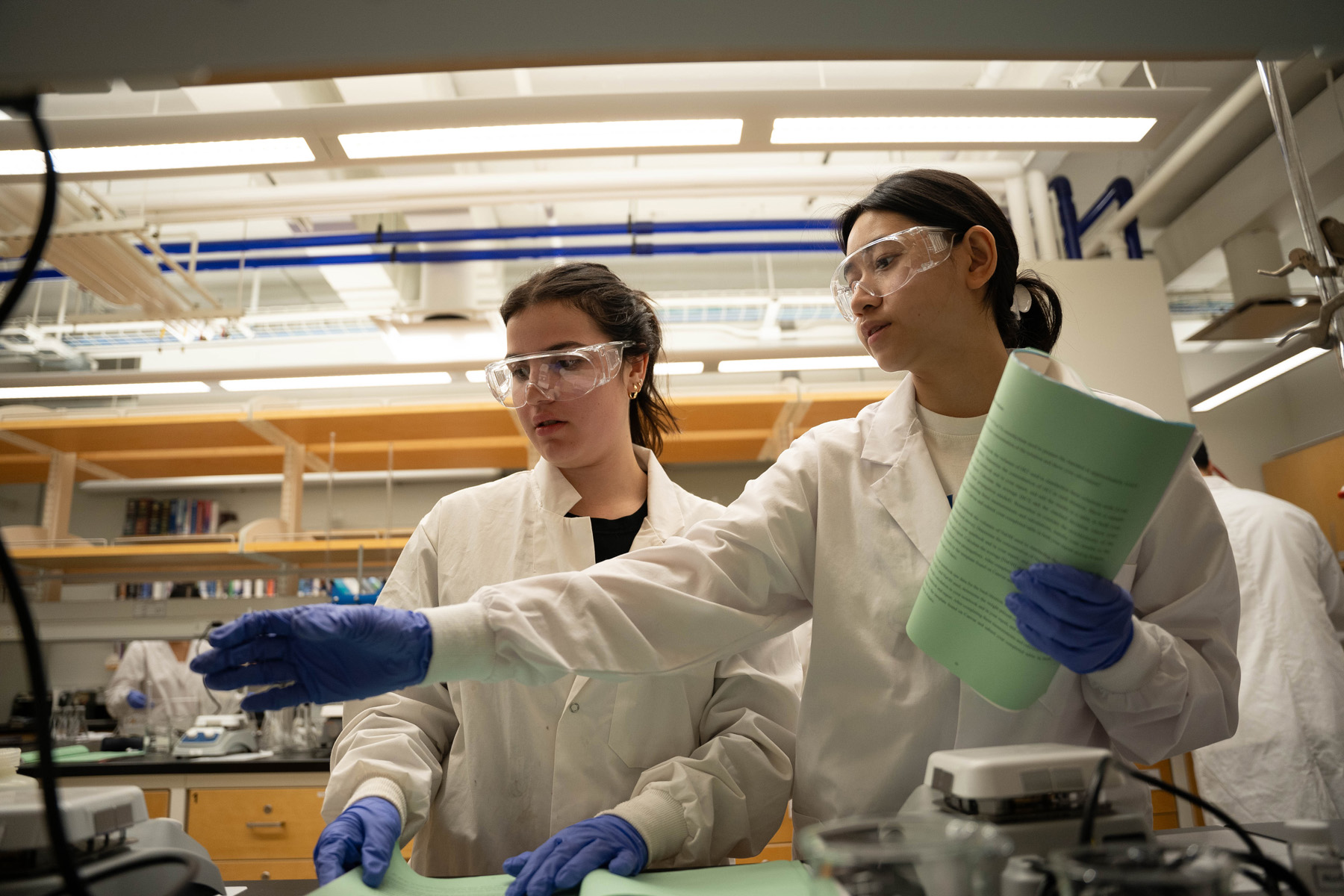
Photo: Courtesy of the WIL program at SFU
Employers play a key role in shaping the student experience during a work-integrated learning (WIL) placement. A quality WIL experience is not just about offering a job; it is about creating a structured, inclusive, and supportive learning environment that aligns with the student's academic goals and skill development.
This module will help you:
- Understand what makes a WIL experience “high quality”.
- Explore your responsibilities as a host organization or supervisor.
- Identify strategies to support inclusive and student-centred practices throughout the WIL cycle.
What Is a Quality WIL Experience?
According to ACE-WIL and CEWIL Canada, a high-quality WIL experience is characterized by:
- Intentional learning outcomes tied to academic and career-relevant goals.
- Meaningful work that aligns with the student’s program or learning objectives.
- Supervision and mentorship that provide regular check-ins, guidance, and feedback.
- Safe, respectful, and inclusive workplaces where students feel welcome and supported.
- Ongoing reflection and evaluation to help students learn and improve.
A quality placement doesn’t require a large organization or significant resources. With planning, communication, and intention, employers of all sizes and sectors can provide meaningful WIL opportunities.
Core Employer Responsibilities
As a host organization, your responsibilities during a WIL placement typically include:
- Preparing for the student’s arrival: Ensure clear onboarding processes, workspace setup (including remote work tools, if applicable), and clear expectations.
- Providing mentorship and supervision: Assign a primary contact or supervisor who can offer regular support and feedback.
- Clarifying tasks and goals: Ensure the student understands their role, responsibilities, and how their work connects to team or organizational goals.
- Encouraging reflection and learning: Create opportunities for students to reflect on their progress, challenges, and learning throughout the placement.
- Supporting inclusive workplace practices: Commit to creating a safe and respectful environment that supports all students, where each student feels seen, heard, and valued for their unique skills, abilities, and talents they bring to the team.
Many employers also collaborate with the student’s post-secondary institution to ensure the placement meets curricular requirements. In some cases, this may involve mid-placement check-ins or end-of-term evaluations.
Inclusive Practices in WIL Supervision
Providing a supportive experience includes recognizing and addressing potential barriers students may face in the workplace. You can strengthen your approach by:
- Reviewing your onboarding process for accessibility and inclusion
- Using plain language and clear expectations
- Encouraging open communication and questions
- Asking students about their preferred working and learning styles
- Being mindful of power dynamics and unconscious bias
Refer to the ACE-WIL EDI Toolkit and Indigenous Employer Toolkit (linked in Module 3) for practical guidance and tools to support inclusive supervision.
Summary
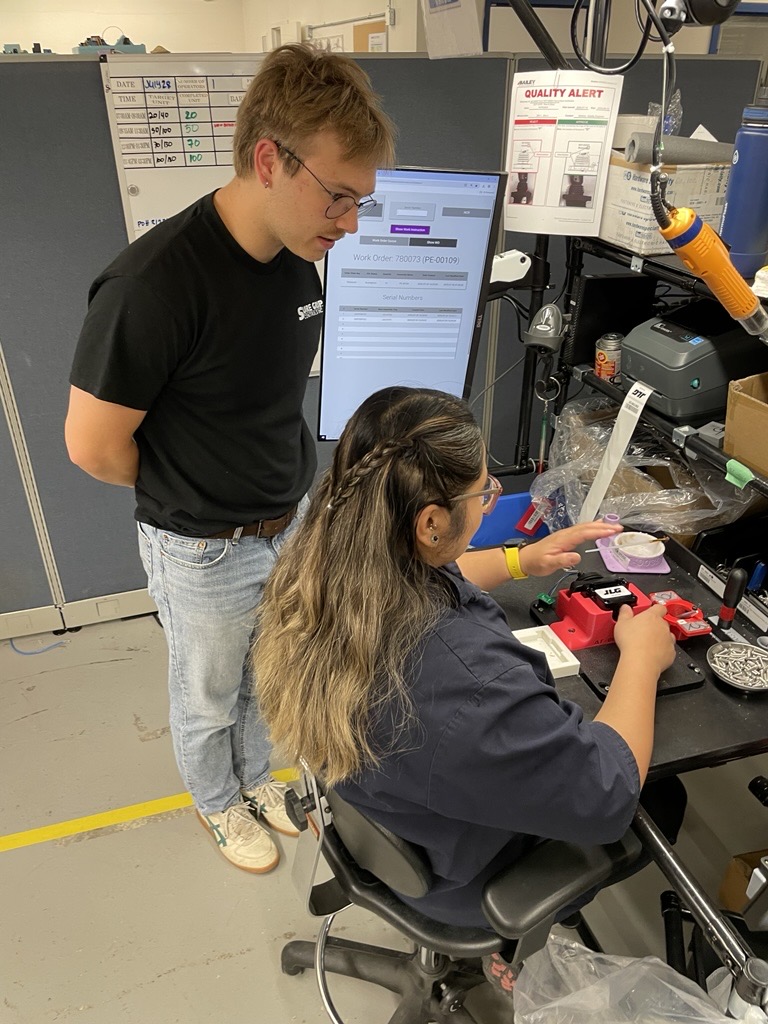
Photo: Courtesy of the Marketing Co-op program at Camosun College
In this module, you:
- Learned how to use work-integrated learning (WIL) as a practical talent strategy, not just a student placement.
- Explored how to design a WIL placement with purpose and how to create a high-quality experience through clear onboarding, meaningful work, regular check-ins, and constructive feedback.
- Identified how to support inclusive and accessible workplaces so all students can contribute and succeed.
- Learned how to strengthen your talent pipeline by using WIL to assess potential future hires and build leadership skills within your team.
- Considered how to work effectively with post-secondary partners to ensure placements meet program requirements and deliver value for everyone involved.
By applying these practices, employers can deliver impactful WIL experiences that support student learning while advancing organizational goals and workplace development in British Columbia and the Yukon.
If you have any questions regarding this module or would like to learn more about Work-Integrated Learning, please email info@acewilbc.ca
Knowledge Check
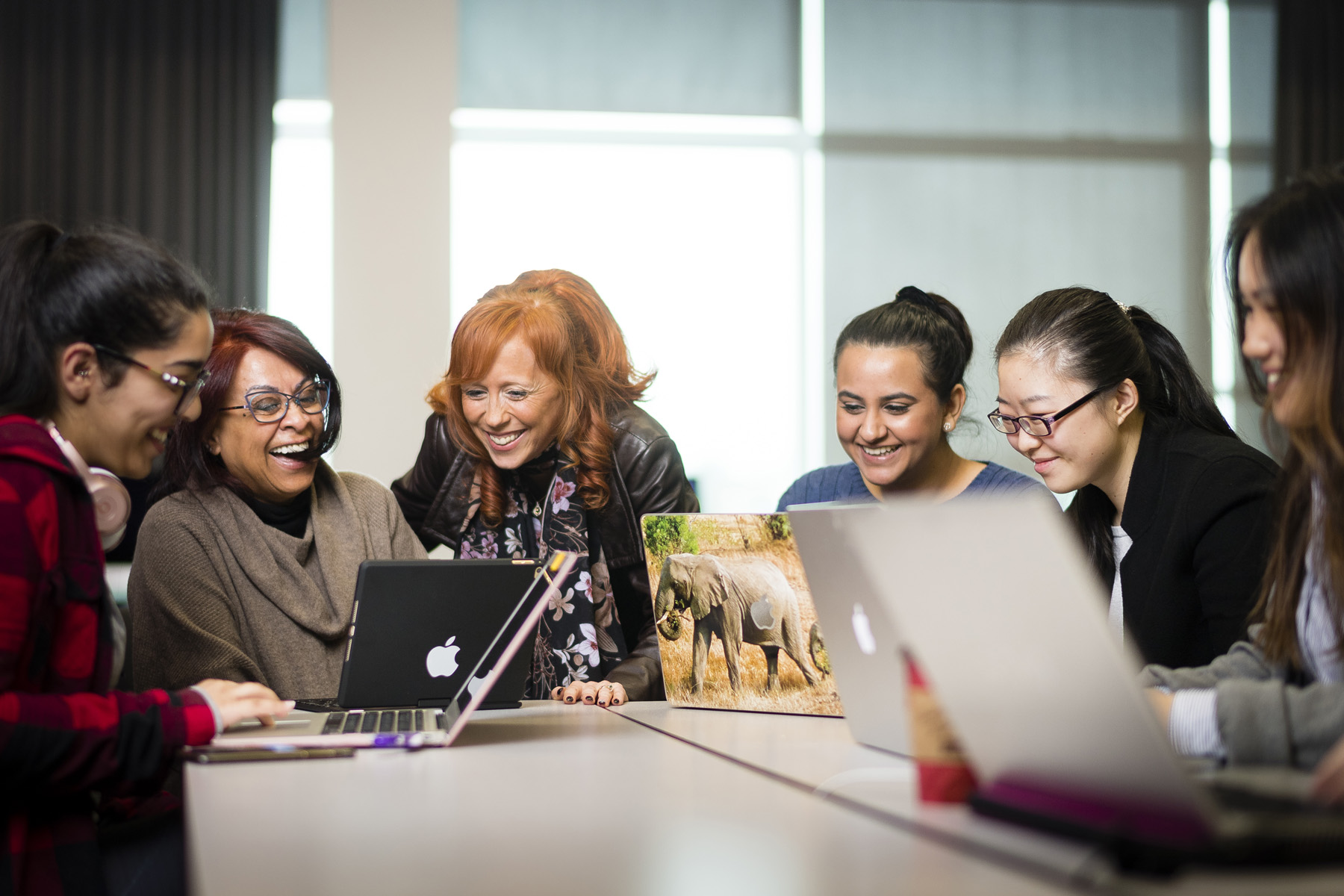
Photo: Courtesy of the WIL program at SFU
Test your understanding of foundational Work-Integrated Learning (WIL) concepts via reflection
- Covers Module 1
- Includes 3 reflection questions
- Unlimited attempts
References
Work-Integrated Learning. (n.d.). https://cewilcanada.ca/CEWIL/About%20Us/Work-Integrated-Learning/CEWIL/About-Us/Work-Integrated-Learning.aspx?hkey=ed772be2-00d0-46cd-a5b8-873000a18b41