Module 4: Recruiting and Hiring WIL Students
| Site: | TRU Open Courses |
| Course: | Quality Work-Integrated Learning 2026 |
| Book: | Module 4: Recruiting and Hiring WIL Students |
| Printed by: | Guest user |
| Date: | Monday, 12 October 2026, 3:42 PM |
Module 4

Photo: Courtesy of the Electrical Computer Engineering Co-op program at Camosun College
Welcome to Module 4: Recruiting and Hiring WIL Students
In this module, you will explore effective strategies for attracting students to work-integrated learning (WIL) opportunities. A strong recruitment and subsequent hiring or onboarding process not only ensures a good fit for your organization but also helps create a meaningful and supportive learning experience for students.
You’ll learn how to develop inclusive job descriptions, apply fair and accessible hiring practices, and navigate key legal and administrative considerations when employing WIL students. The module also covers hiring international students by highlighting visa and work eligibility requirements and introduces funding and grant opportunities that can help offset student wage costs.
In this module, you will learn how to:
- Create job descriptions that prioritize inclusion and student needs while encouraging applications from a diverse range of candidates
- Implement transparent and accessible hiring practices tailored to WIL students
- Understand legal considerations, compensation expectations, and employment regulations for WIL placements
- Identify and access grants, subsidies, and funding programs to support student wages
- Navigate the hiring process for international WIL students, including documentation and eligibility requirements
This module takes approximately 30 minutes to complete and can be used as a reference anytime you're recruiting students or reviewing your hiring processes.
Start by exploring how inclusive WIL postings can help attract a diverse range of qualified student applicants.
1. Writing Inclusive Job Descriptions
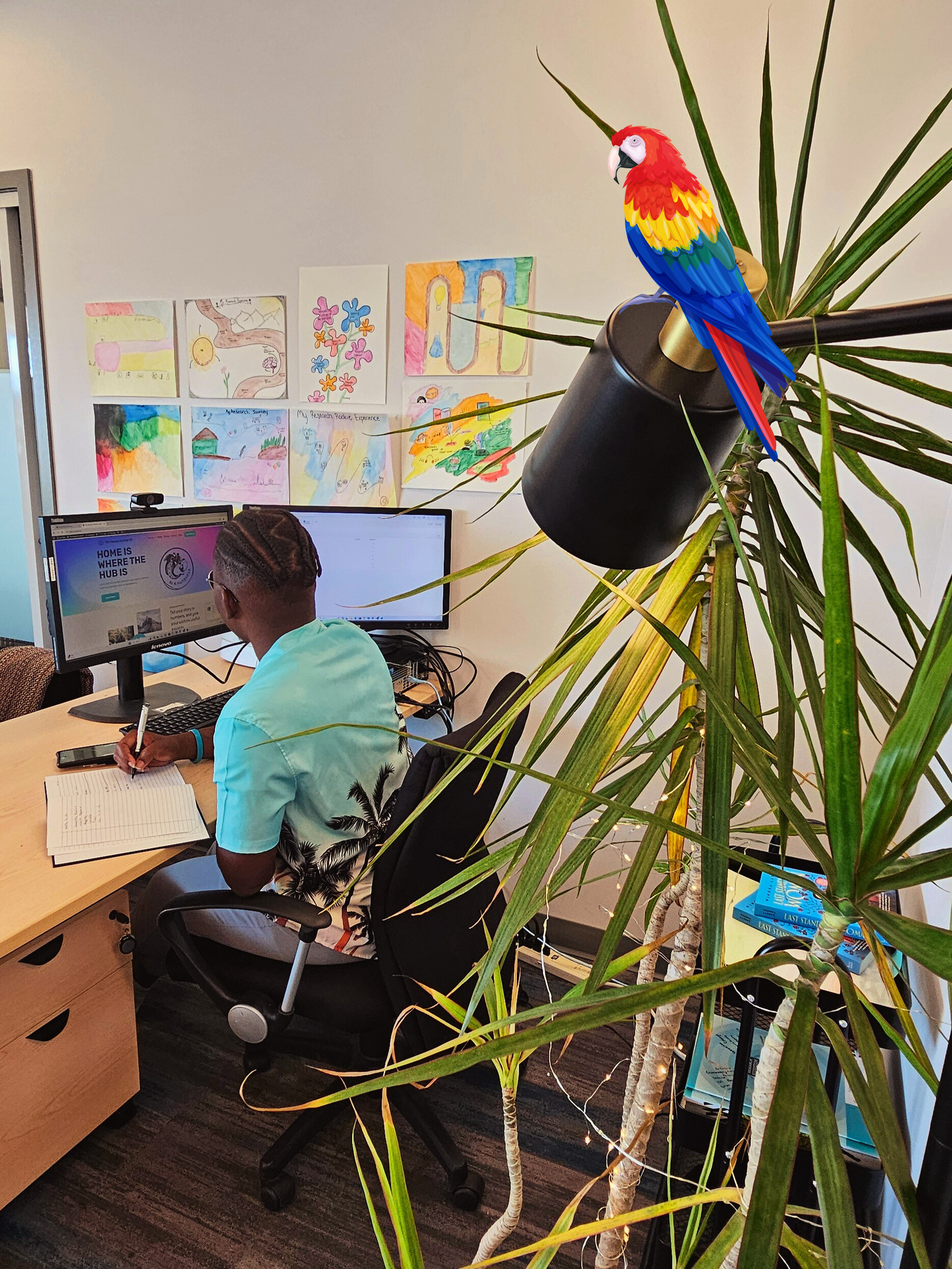
Photo: Roods Bensley Pierre, courtesy of the Computing Science Co-op program at TRU
Whether developing a co-op placement or promoting a summer field school, it is important to consider the wording used to describe the project and the skills being sought. Have you ever considered how the wording of a job description can influence who applies and who feels excluded from the start? Inclusive work-integrated learning (WIL) descriptions are a critical first step in building equitable hiring practices for WIL students.
This section explores how to develop postings that are accessible, inclusive, and student-centred. It discusses how to avoid biased language, clearly define job requirements, and communicate expectations in ways that attract a diverse range of candidates. It also introduces best practices for making the recruitment process more accessible from the very beginning.
Instructions:
- Review the Accessible Recruitment Checklist.
- Explore How to Write a Job Posting in the CEWIL Employer Toolkit.
- Read the guide Supporting Diverse Needs of Diverse Students.
2. Fair and Accessible Hiring Practices

Photo: Manroop Kaur, courtesy of the Tourism Practicum program at CAPU
The selection and hiring process significantly shapes a student's experience in work-integrated learning (WIL). When recruitment is fair and accessible, it ensures that all candidates are evaluated with care and consistency.
This section explores how to implement recruitment practices that accommodate diverse needs. It demonstrates how to design accessible interviews, recognize and reduce unconscious bias, and prepare fair and inclusive interview questions. Building an inclusive hiring environment not only promotes equity but also reinforces an organization's commitment to diversity.
Instructions:
- Explore Providing an Accessible Interview Process.
- Review the Inclusive Interview Questions and Inclusive Interview Checklist.
- Read How do you balance the needs and expectations of the candidates and the employer?
- Watch How to Create an Inclusive Interview Process .
Employment Considerations for WIL Students
Hiring a student for a WIL position involves more than simply posting an opportunity and conducting interviews. Employers and host organizations must be aware of their legal responsibilities, compensation expectations, and workplace standards to ensure compliance and provide a positive student experience.
In this section, you will explore key employment considerations such as onboarding procedures, remote-work best practices, and legal regulations that apply to student placements. By understanding these elements, you will be better equipped to create a supportive and compliant WIL environment that aligns with current employment standards.
Instructions:
- Review Recruiting WIL Students Remotely – ACE-WIL Employer Tipsheet (PDF).
- Read the INWIL Hiring and Onboarding Toolkit Guide (PDF).
3. Legal and Hiring Considerations

Photo: Sahil Dahiya, courtesy of the Science Co-op program at TRU
Although not all work-integrated learning (WIL) opportunities are or need to be paid, payment is part of some WIL programs, including co-op, apprenticeships, and internships. This additional expense can be a concern when hiring a student. A WIL project can greatly support an organization, but securing consistent funding can be challenging. The good news is that a variety of grants, subsidies, and funding programs are available to help offset student wages and reduce financial barriers to hiring.
This section explores resources that support access to funding across British Columbia and Canada. By understanding the financial supports available, employers can make more informed hiring decisions and create more opportunities for students to participate in the workplace.
Instructions:
- Visit the Government of Canada – Student Work Placement Program Wage Subsidies page to learn about current wage subsidy programs that support student hiring.
- Explore the INWIL Grant & Funding Guide 2022 (PDF) to familiarize yourself with regional and national funding sources for hiring WIL students.
- Read Get Funding 2022 (PDF) to learn about eligibility requirements, application processes, and deadlines.
4. Hiring International WIL Students
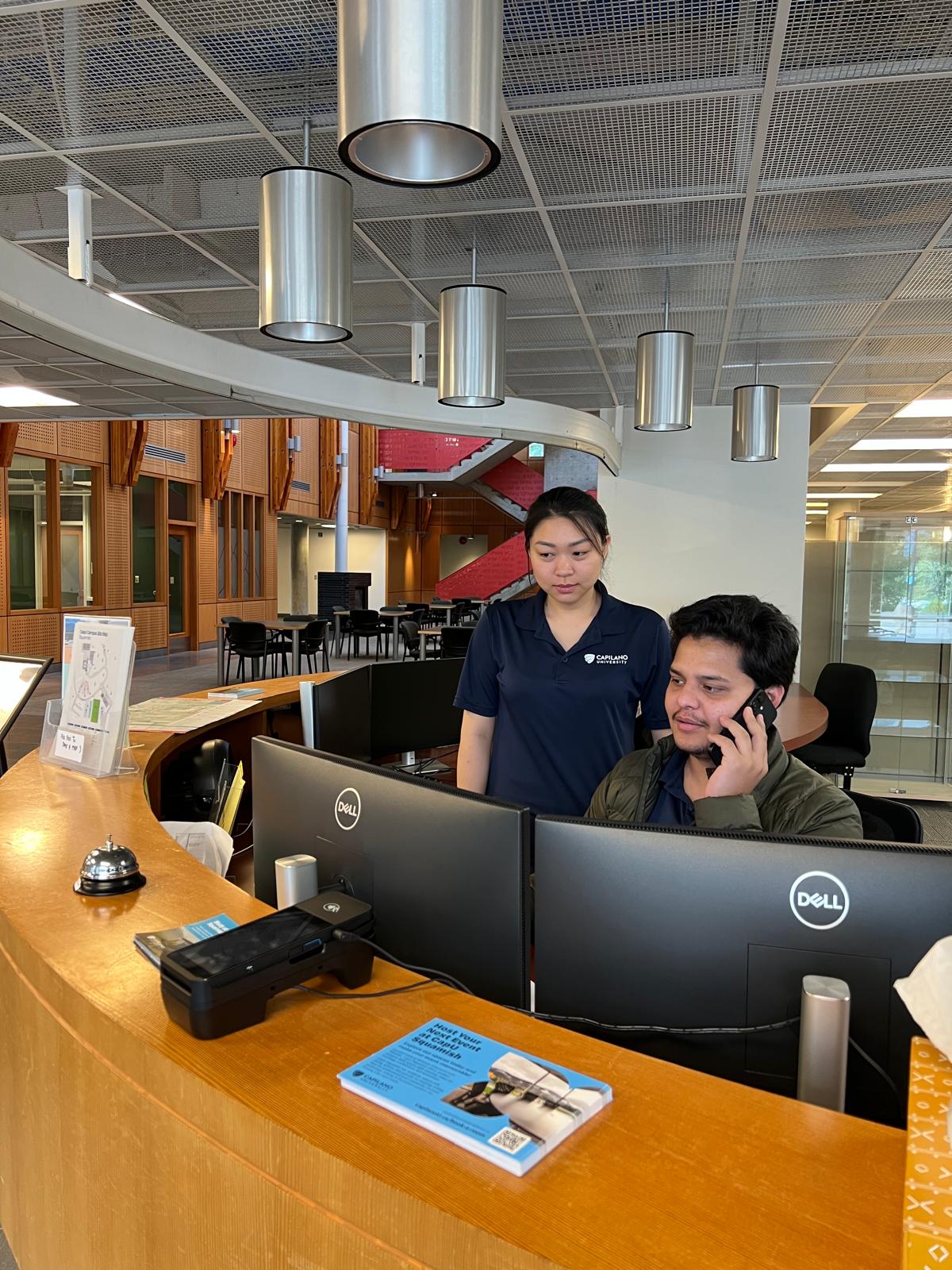
Photo: Jessie Hoang, courtesy of the Tourism Practicum program at CAPU
Many post-secondary institutions have large international student populations. Work-Integrated Learning (WIL) provides an excellent opportunity for international students to connect with the communities in which they live and develop their skills. International students also bring global perspectives and can enrich an organization's culture. However, it is essential to understand the specific regulations and eligibility requirements that international students must follow while studying.
This section provides a link to an overview of the key requirements for hiring international WIL students in Canada, including co-op work permits, study permits, and eligibility criteria. By understanding these processes, employers can ensure legal compliance and help create equitable access to WIL opportunities for all students. Student Services and the WIL team at the post-secondary institution are also valuable resources for questions about student eligibility.
Instruction:
Summary

Photo: Courtesy of the Hospitality Management Co-op program at Camosun College
In this module, you:
- Explored essential practices for recruiting and hiring work-integrated learning (WIL) students, including how to develop clear, inclusive job descriptions that promote equity and attract diverse talent.
- Examined fair and accessible hiring strategies, including how to design interviews that accommodate a variety of student needs.
- Examined legal and regulatory considerations specific to WIL placements, explored grants and funding opportunities to help support student wages, and gained insight into hiring international students, including work eligibility requirements.
Together, these insights provide the tools and knowledge to support an inclusive, legally compliant, and student-centred hiring experience.
If you have any questions regarding this module or would like to learn more about Work-Integrated Learning, please email info@acewilbc.ca
Knowledge Check

Photo: Courtesy of the WIL program at SFU
Assess your knowledge of inclusive hiring and legal, student-centred recruitment practices
- Covers Modules 3 and 4
- Worth 20% of your course certificate
- Includes 2 scenario-based questions
- Unlimited attempts
References
- Accessible Employers. (n.d.). Inclusive interview checklist. https://accessibleemployers.ca/resource/inclusive-interview-checklist/
- Accessible Employers. (n.d.). Inclusive interview questions. https://acewilbc.ca/wp-content/uploads/Wage-subsidies-2022-04-1.pdf
- ACE-WIL. (2022, April). Wage subsidies [PDF]. https://acewilbc.ca/wp-content/uploads/Wage-subsidies-2022-04-1.pdf
- ACE-WIL BC. (n.d.). Supporting Diverse Needs of Diverse Students. https://acewilbc.ca/resource/supporting-diverse-needs-of-diverse-students/
- Association for Co-operative Education and Work-Integrated Learning BC/Yukon. (2021). ACE-WIL employer tipsheets: Recruit [PDF]. https://acewilbc.ca/wp-content/uploads/ACE-WIL-employer-tipsheets-recruit-v2021-04.pdf
- Co-operative Education and Work-Integrated Learning Canada (CEWIL). (n.d.). Employer tool kit. https://cewilcanada.ca/CEWIL/Resources/Employer-Community-Partners/Employer-Tool-Kit-Folder/Employer-Tool-Kit.aspx
- Government of Canada. (n.d.). Student Work Placement Program – Wage subsidies. Employment and Social Development Canada. https://www.canada.ca/en/employment-social-development/services/student-work-placements-wage-subsidies.html
- Inclusive Work Integrated Learning (INWIL). (2021). Hiring & onboarding toolkit [PDF]. https://inwil.opened.ca/wp-content/uploads/sites/3202/2021/10/INWIL-Hiring-Onboarding-Toolkit-2021.pdf
- INWIL. (2022). Grant & funding guide 2022 [PDF]. https://inwil.opened.ca/wp-content/uploads/sites/3202/2022/04/INWIL-Grant-Funding-Guide-2022-3.pdf
- LinkedIn. (n.d.). How do you balance the needs and expectations of candidates and the employer? LinkedIn. https://www.linkedin.com/advice/3/how-do-you-balance-needs-expectations-candidates-employer
- Southern Alberta Institute of Technology. (n.d.). Hiring international students and graduates. SAIT. https://www.sait.ca/industry-engagement/guide-to-hiring-international-talent
- The Hourly Advocate. (2021, November 17). How to create an inclusive interview process [Video]. YouTube.
- The Presidents Group. (n.d.). Accessible recruitment checklist. Accessible Employers. https://accessibleemployers.ca/resource/accessible-recruitment-checklist/
- University of Victoria. (n.d.). Providing an accessible interview process. https://www.uvic.ca/coop/hire-a-student/hiring-students/accessible-interviews/index.php