
Module 3: Inclusive and Equitable WIL Practices
Module 3
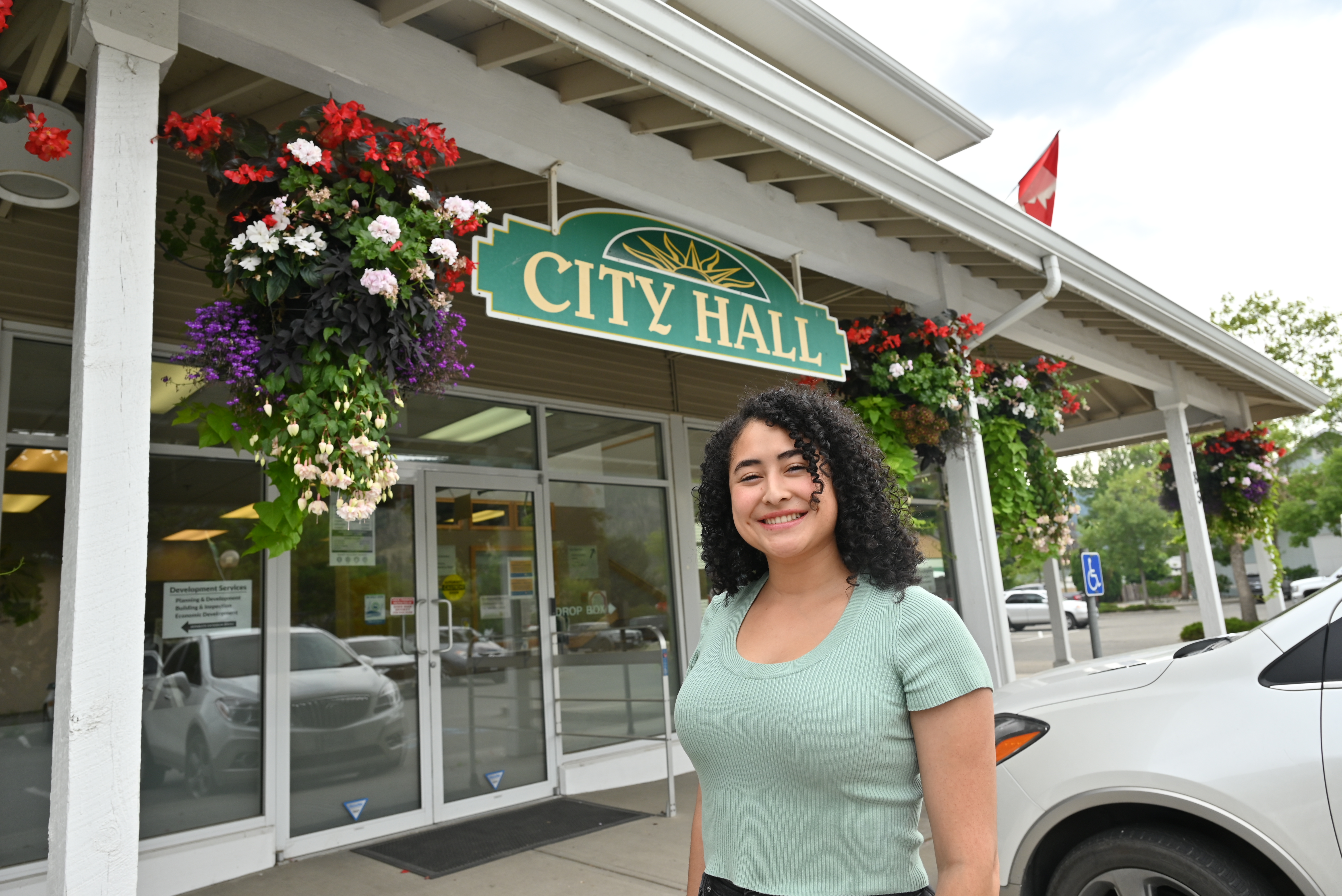
Photo: Paola Flores, courtesy of the Computing Science Co-op program at TRU
Welcome to Module 3: Inclusive and Equitable WIL Practices
This module is designed to help employers and host organizations recognize and address systemic barriers that may affect students from equity-deserving groups. These groups include Indigenous students; students with disabilities; international and newcomer students; racialized students; Two-Spirit, lesbian, gay, bisexual, transgender, queer, intersex, and asexual students; and students from rural or low-income communities.
Rather than focusing on a single identity or experience, this module uses a universal approach to inclusive design. This means creating practices that are welcoming and accessible to all students from the beginning. A proactive approach involves planning work experiences, communication, and environments to support diverse needs without waiting for exclusion or inequity to occur. This helps ensure that every student feels included and supported throughout their placement. (Gouthro et al., 2023; RBC, 2021)
This module explores how inclusive hiring, culturally responsive supervision, and intentional relationship-building can contribute to more meaningful, high-quality work-integrated learning (WIL) placements. It also introduces principles aligned with the Truth and Reconciliation Commission’s Call to Action 92, which calls on employers to participate actively in reconciliation through respectful relationships and equitable access to employment and training. (Gouthro et al., 2023)
In this module, you will learn how to:
- Recognize the importance of inclusive hiring and accessible work environments
- Identify and address barriers that may affect student participation and success
- Apply inclusive supervision and communication strategies
- Reflect on your organization’s role in reconciliation and long-term inclusion
- Access practical tools to support continuous improvement
This module can be completed in approximately 30 minutes. The strategies presented here can be adapted to your organization’s context while maintaining a commitment to ongoing learning and accountability.
Note:
Many of the resources referenced in this module were developed with specific populations in mind, such as Indigenous students, students with disabilities, and students from international pathways. Although these specific contexts are acknowledged, the practices shared are intended to inform inclusive WIL strategies for all students and future applicants.