
Module 3: Inclusive and Equitable WIL Practices
Module 3
2. Inclusive Hiring Practices
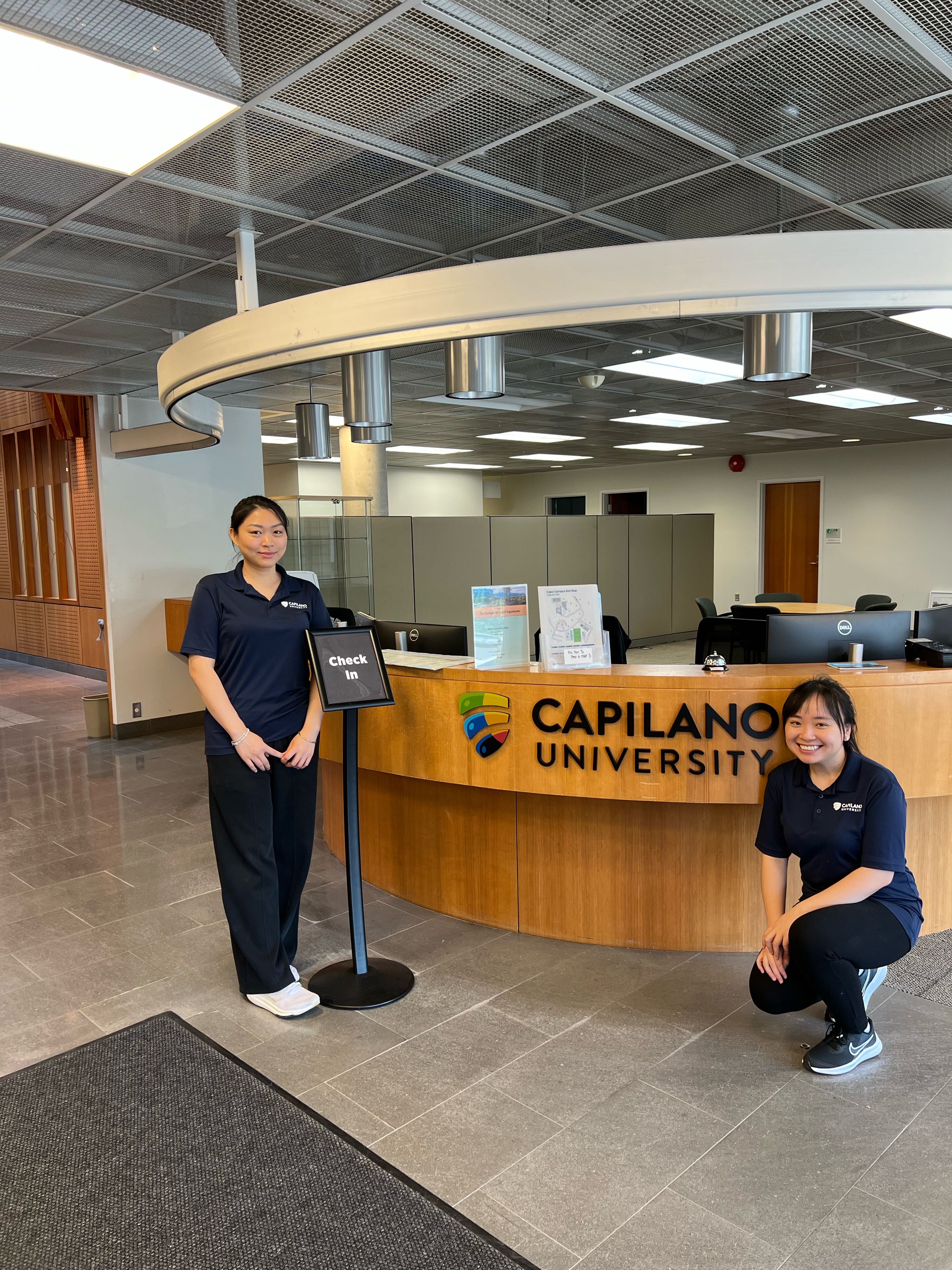
Photo: Jessie Hoang and Rachel Pham, courtesy of the Tourism Practicum program at CAPU
Once a student is hired, the quality of their supervision and daily experience becomes central to their success. Inclusive supervision involves recognizing that each student may bring different strengths, needs, and lived experiences. Creating a supportive environment requires flexibility, communication, and cultural responsiveness.
Students from equity-deserving groups may face systemic barriers that shape how they experience a workplace. These barriers may not always be visible or disclosed. Inclusive supervision does not rely on knowing every student’s background or identity; it relies on creating structures that allow all students to feel respected, valued, and safe to learn.
Principles of Inclusive Supervision
- Start with Clear, Supportive Onboarding
- Provide clear expectations, communication norms, and feedback timelines.
- Introduce the team and explain roles, workplace norms, and support systems.
- Share how students can raise concerns or request accommodations confidentially.
- Be Proactive and Flexible
- Ask all students whether they need accommodations, not just those who disclose a disability.
- Be open to different communication styles and learning preferences.
- Offer flexibility around cultural or religious observances, mental health, or caregiving responsibilities.
- Provide Regular, Two-Way Feedback
- Schedule regular check-ins for feedback and discussion.
- Ask students how they are finding the placement and what support they may need.
- Recognize contributions publicly and privately.
- Avoid Tokenism and Stereotyping
- Do not ask students to speak on behalf of a community or identity group.
- Avoid assumptions about students’ backgrounds, abilities, experiences, or aspirations.
- Understand that inclusion means respecting individuality—not expecting assimilation.
- Be Willing to Learn and Adjust
- If something is not working, invite feedback and co-create a solution.
- Use available resources, training, and institutional support when needed.
Inclusive Supervision in Action
Inclusive supervision can look like:
- Adjusting workload or hours temporarily to accommodate a student’s health or caregiving needs.
- Clarifying unwritten expectations, such as how to ask for help, join lunch conversations, or request time off.
- Offering mentorship without assuming that students already know how to “navigate the system.”
- Respecting a student’s privacy if they share personal information—or choose not to.
(Australian Collaborative Education Network, 2023)
Why Inclusive Supervision Matters
Inclusive supervision ensures that:
- All students feel that they belong and can contribute meaningfully.
- Barriers are addressed before they escalate into problems.
- Your team becomes more aware of how to support and learn from diverse perspectives.
- The work-integrated learning (WIL) experience strengthens not only students but also your entire organization.