
Module 5: Onboarding and Workplace Integration
Module 5
3. Fostering Belonging and Team Integration
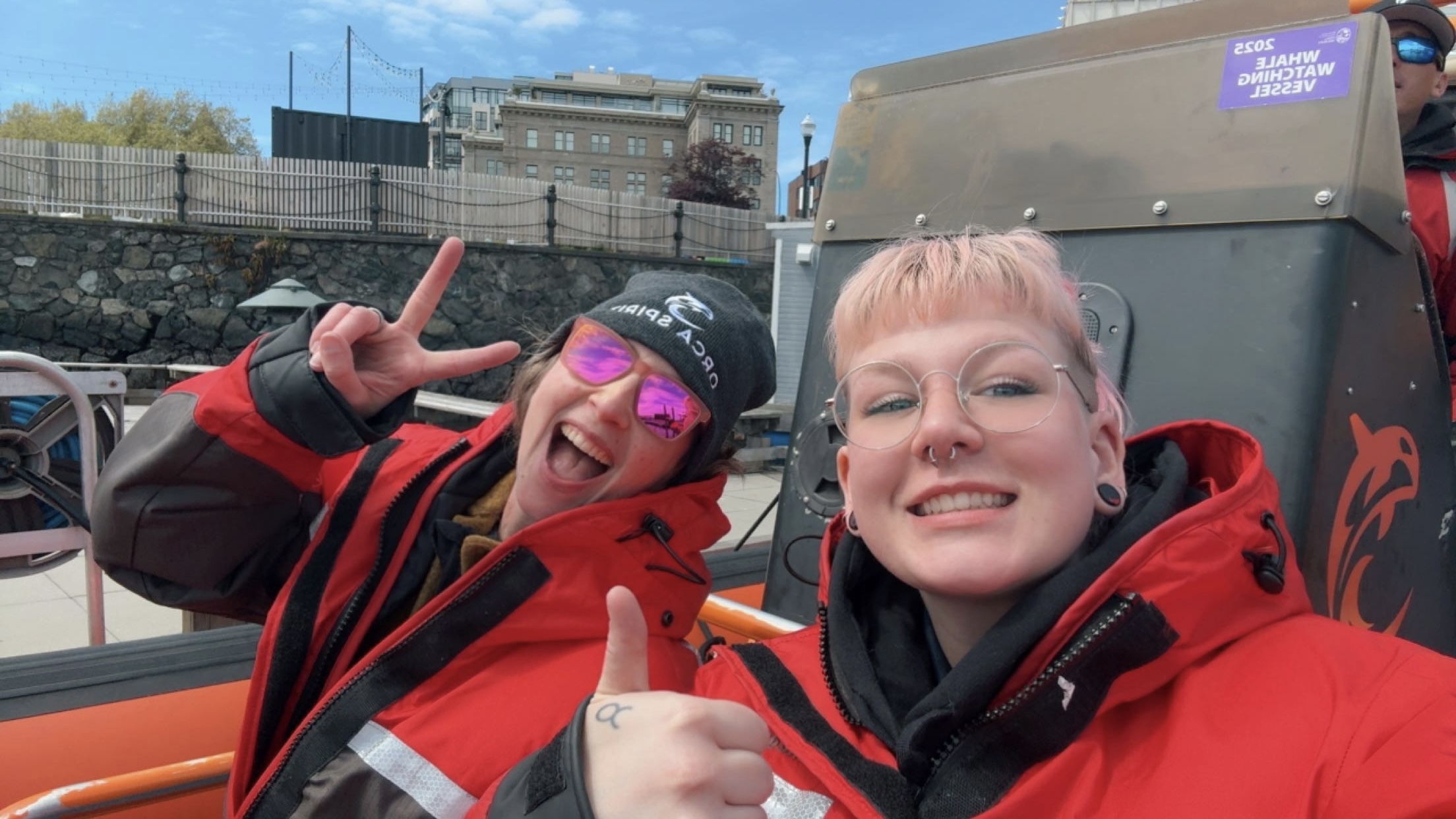
Photo: Courtesy of the Hospitality Management Co-op program at Camosun College
For many work-integrated learning (WIL) students, joining a new team can feel intimidating, especially when they are entering the workplace for the first time. Beyond onboarding and mentorship, fostering a genuine sense of belonging requires intentional practices that help students feel seen, respected, and included as part of the team.
Creating a Welcoming Workplace Culture
- Start with Inclusive Introductions
- Introduce the student to the full team and clarify their role within the group.
- Encourage colleagues to share their pronouns, communication styles, or fun facts to make introductions more human and less hierarchical.
- Avoid assuming that the student will know workplace norms. Instead, explain common practices and team habits clearly.
- Model Inclusive Communication
- Use plain, respectful, and non-assumptive language in emails, meetings, and hallway conversations.
- Avoid acronyms or internal jargon unless you have taken time to explain them.
- Encourage the team to include students in informal conversations and group chats while remaining mindful of tone and inclusion.
- Celebrate Difference and Encourage Curiosity
- Make space for diverse voices by inviting students to share ideas, perspectives, or project approaches.
- Normalize not knowing everything. Show curiosity and openness toward learning from the student, too.
- If students share aspects of their lived experience or background, respond with respect and interest—not judgment or tokenization.
- Make Inclusion a Daily Practice
- Include students in staff meetings, group projects, or planning sessions where appropriate.
- Provide opportunities for students to take initiative or lead small tasks aligned with their goals.
- Offer encouragement, not just correction.
- Recognize effort as well as outcomes.
- Use Visual and Physical Cues Thoughtfully
- Ensure shared spaces include signals of inclusion, such as gender-inclusive washroom signs, visible accessibility supports, or pride and reconciliation messaging.
- For hybrid or remote teams, ensure digital tools are accessible and provide technology support during onboarding when needed.
Why This Matters
When students feel like outsiders or believe their presence is temporary or peripheral, they are less likely to speak up, take initiative, or view the experience as meaningful. When students are welcomed as full team members, they are more likely to contribute, grow, and carry those positive experiences into future roles. Belonging does not happen automatically; it is created through intention, invitation, and everyday actions.