
Module 6: Providing Feedback and Supporting Student Development
Completion requirements
Module 6
2. Mentorship and Coaching for Student Growth
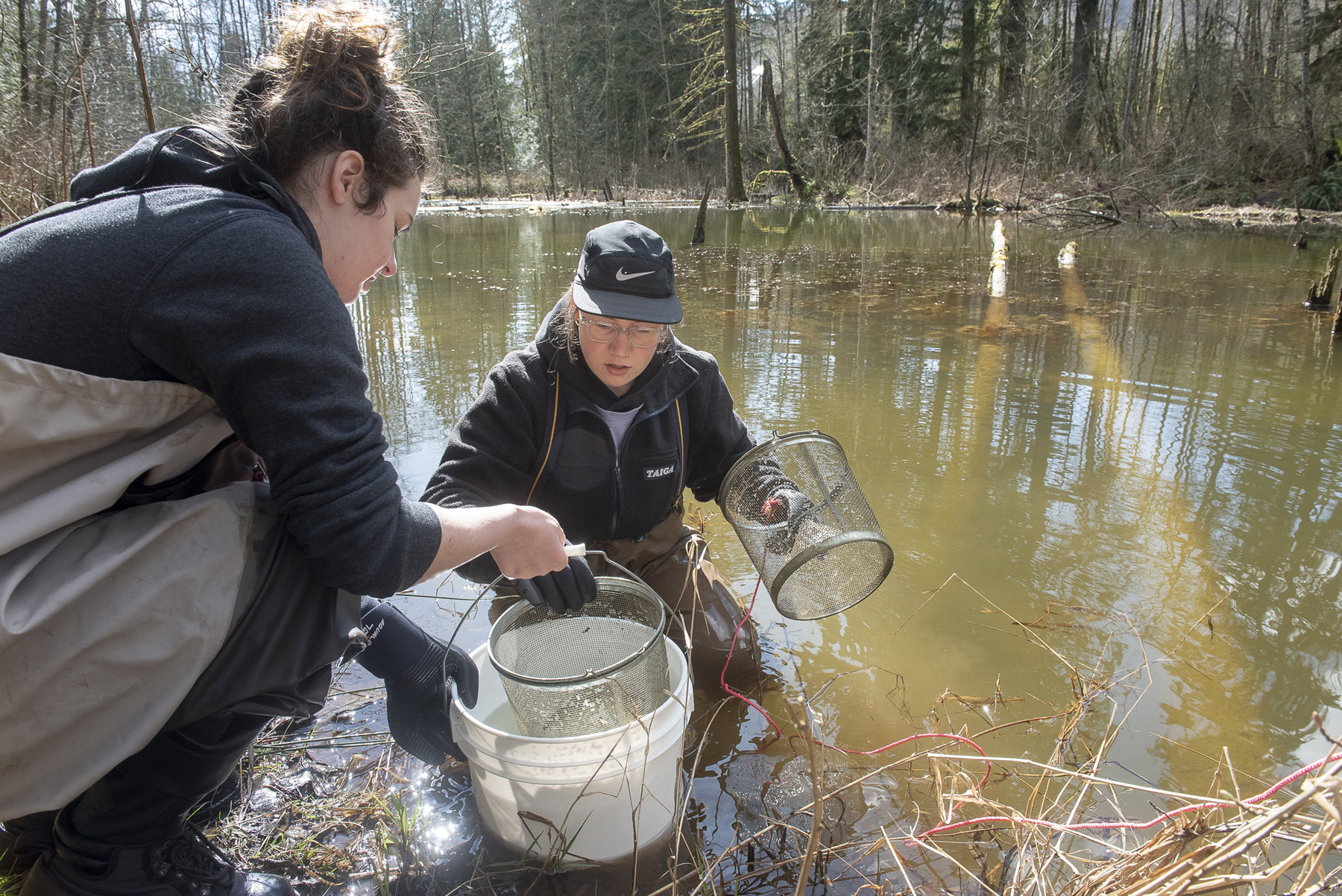
Photo: Courtesy of the WIL program at SFU
Mentorship is one of the most impactful ways to support student success. In this section, you’ll explore how to be an effective mentor or coach in a work-integrated learning (WIL) setting, whether you’re a supervisor, peer, or team member.
You’ll learn how to foster open communication, set development goals, and build a positive relationship with the student. Strong mentorship also improves retention, helps students feel valued, and contributes to a more inclusive workplace culture.
Instructions:
Tips and Tricks for Mentoring Students
1. Laying a Strong Foundation: Onboarding & Early Support
Key Practices
- Assign a clear supervisor or mentor, so students always know who to approach with questions.
- Arrange a structured welcome that includes a tour, introductions to colleagues, and setup of necessary tools (computer, workspace, access).
- Provide workplace behaviour expectations, safety protocols, confidentiality guidelines, and other essential orientation details.
- Acknowledge that this may be a student’s first professional environment— allow for a learning curve and normalize early questions.
- Build trust early by ensuring the mentor is accessible, approachable, and available for first-day and early-week conversations.
Takeaways
- Students thrive when onboarding is intentional, clear, and supportive.
- A designated mentor and structured orientation reduce uncertainty and set a positive tone.
2. Setting Expectations & Maintaining Consistent Communication
Key Practices
- Establish how and when check-ins will occur (daily, weekly, Zoom, in-person, etc.).
- Provide constructive feedback regularly and at scheduled review points to help students adjust and grow.
- Adjust responsibilities as needed to match student development, readiness, and skill progression.
- Share relevant materials such as past project examples and templates to help students understand expectations and standards.
- Invite students into meetings, staff events, and collaborative activities to build confidence and familiarity with team culture.
Takeaways
- Clear communication and regular feedback create a predictable structure and build professional competency.
- Integrating students into team routines strengthens belonging and accelerates learning.
3. Coaching for Growth: Guiding Reflection & Professional Development
Key Practices
- Engage students in conversations about interests, skills, previous experiences, and career aspirations to shape meaningful support.
- Guide students through real-world scenarios and challenges using a coaching approach that promotes independence and confidence.
- Provide constructive, challenge-specific feedback to help students improve task performance and workplace navigation.
- Facilitate reflective conversations that help students connect their work to long-term goals and professional identity.
Takeaways
- Mentorship is not just supervision; it’s guided learning that builds confidence and deepens career exploration.
- Reflection helps students meaningfully connect academic learning with hands-on experience.
4. Ensuring a Meaningful Overall Placement Experience
Key Practices
- Support students in integrating into workplace culture, including in remote or hybrid environments.
- Assign work that is appropriate for the student’s skill level but also promotes challenge and growth.
- Check in regularly to monitor engagement, address barriers early, and ensure the experience remains meaningful.
- Provide end-of-placement feedback, and invite the student to give feedback on the mentorship experience.
- Encourage networking and connection-building within the organization to expand student confidence and professional pathways.
Takeaways
- A successful placement is built on meaningful work, supportive check-ins, and two-way feedback.
- Strong mentorship enhances both student development and the organization’s long-term talent pipeline.