
Module 8: Sustaining WIL Programs
Module 8
2. Sustaining Student Engagement Throughout the Placement
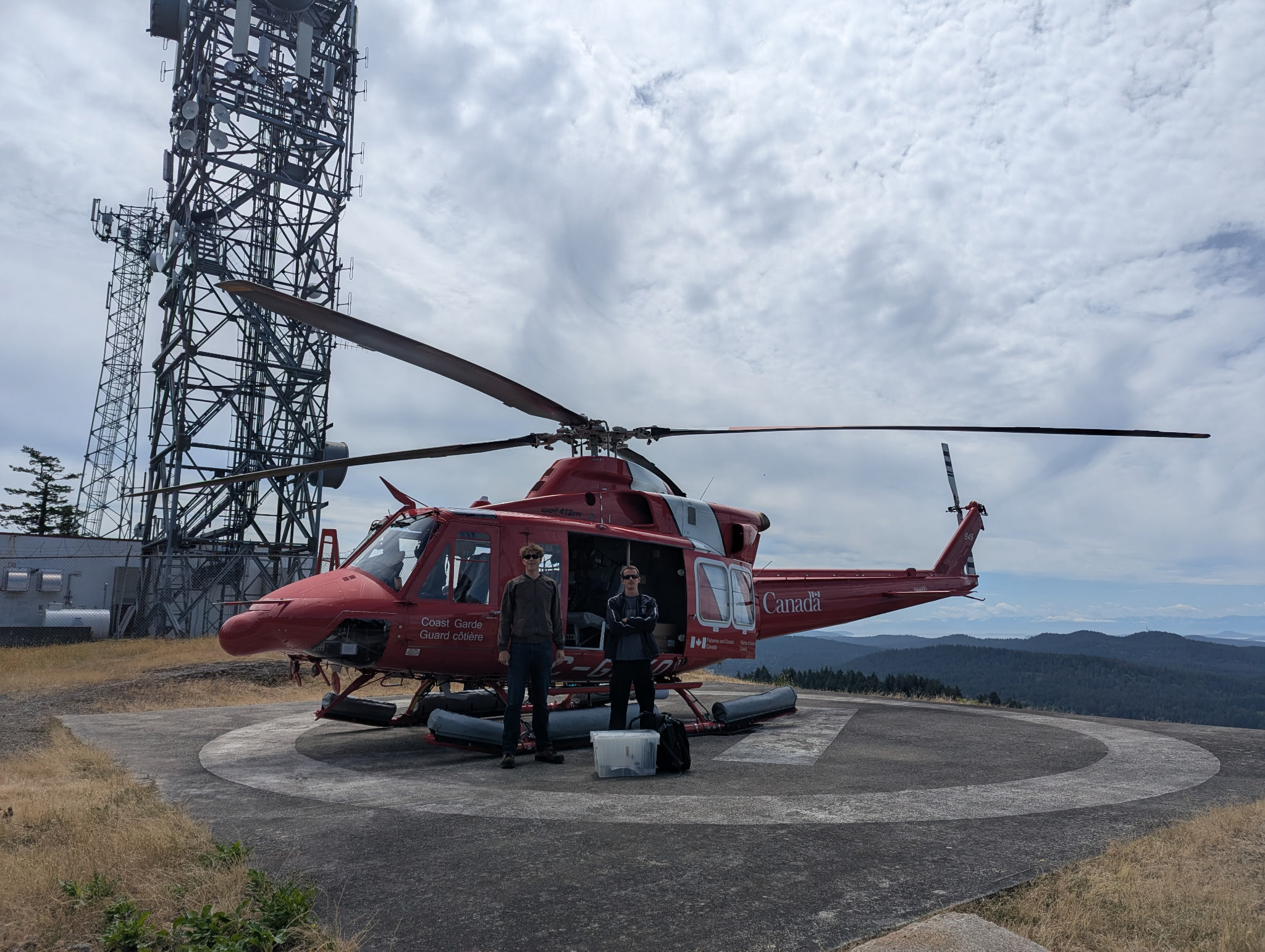
Photo: Courtesy of the Electrical Engineering Technology Co-op program at Camosun College
Meaningful work-integrated learning (WIL) experiences extend well beyond onboarding. Sustaining a high-quality program requires organizations to actively engage students throughout their placements by creating inclusive environments, offering structured feedback, and encouraging reflection on learning.
When students feel supported and involved, they contribute more meaningfully to projects, share ideas with confidence, and are more likely to recommend your organization to others. This section highlights practical engagement strategies and connects you to resources that support student success.
1. Provide Ongoing Feedback and Regular Check-Ins
Clear, consistent communication plays a key role in student learning and engagement. Establish regular check-ins where students can ask questions, discuss progress, and receive guidance. Well-timed feedback supports skill development while building confidence and trust.
Engagement also deepens when students are assigned meaningful work, invited to team discussions, and recognized for their contributions. Simple actions such as inviting students to meetings or acknowledging their work—help reinforce belonging and professional growth.
2. Assign a Mentor or Peer Buddy
Designating a mentor or peer buddy can significantly improve the student experience by clarifying expectations, supporting workplace navigation, and fostering inclusion. A buddy system might involve weekly check-ins or informal guidance on workplace norms and processes.
The Mentoring Post-Secondary Students Course, developed by the Business and Higher Education Roundtable, offers a free, self-paced resource for host organizations interested in strengthening mentorship practices.
3. Make Engagement Inclusive and Accessible
Students enter WIL opportunities with diverse academic backgrounds, lived experiences, and access needs. Being proactive about accessibility and communication preferences helps ensure all students can fully participate and succeed.
Helpful tools from Co-operative Education and WIL Canada include:
- Accessible Virtual Events Guide for inclusive online meetings and onboarding
- Social Media Accessibility Guide for inclusive digital communication
Small adjustments—such as enabling captions, sharing materials in advance, or minimizing jargon can meaningfully improve accessibility and student engagement.
4. Invite Student Reflection and Feedback
Encouraging student reflection before the end of a placement allows learners to recognize their growth and provides valuable insight for your organization. Reflection and feedback support continuous improvement across placements.
The Procedures Checklist from the University of Waterloo includes prompts that can help structure end-of-term conversations and gather meaningful feedback from students.