Module 2: Types of WIL in Canada
Module 2
1. Explore Different Types of Work-Integrated Learning (WIL)
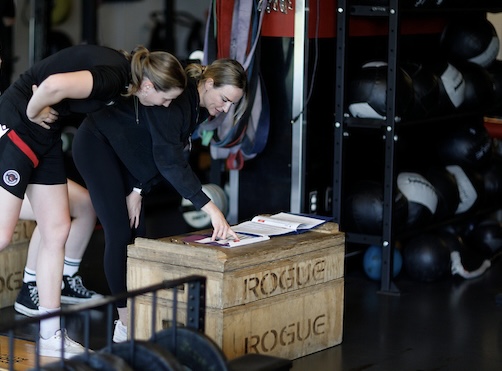
Photo: Courtesy of the Kinesiology Co-op program at Camosun College
Work-Integrated Learning (WIL) in Canada takes many forms, each designed to support different academic requirements, workplace realities, and student development pathways. Understanding these differences helps employers select options that align with their organizational capacity, supervision approach, and talent goals.
This module explores the nine WIL types recognized by CEWIL Canada and supported by post-secondary institutions across BC and the Yukon. You may choose to review all nine or focus on those most relevant to your workplace. Clicking each WIL type will give more information that will help determine the most relevant type for your organization. Each section is self-contained and designed to support flexible learning.
The Different Types of WIL:
- Community and Industry Research & Projects (CIRPS): Formerly known as Applied Research Projects, this WIL type engages students in applied research that supports organizational and community needs
- Apprenticeship: A formal model that combines paid work with technical training under the supervision of a certified journeyperson.
- Co-operative Education (Co-op): A structured model involving alternating terms of academic study and full-time paid work that are directly connected to a student’s academic program.
- Internship: A supervised and discipline-specific work experience that is intentionally structured, may be full-time or part-time, and paid or unpaid depending on the program and applicable legislation.
- Practicum or Clinical Placement: A mandatory supervised work experience required for professional licensure or certification in regulated fields.
- Entrepreneurship: Students develop or launch a business idea with institutional support such as mentorship, space, or funding.
- Field Placement: A short-term or part-time placement that is embedded in an academic program, often without formal certification or licensure requirements.
- Service Learning: Integrates academic learning with meaningful community service, where students work on projects identified by community partners.
- Work Experience: One or more work terms embedded within an academic program that provide relevant workplace exposure without a formal co-operative education structure.